How I Forecast the Market While Paying Off Credit Card Debt — A Real Strategy
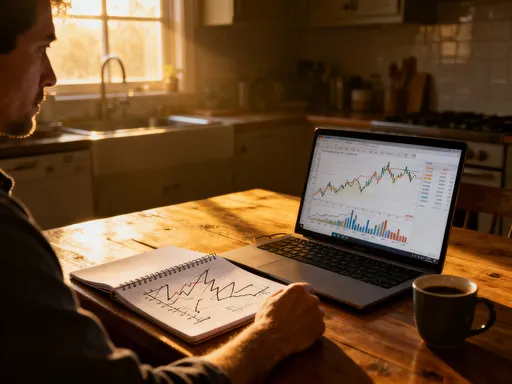
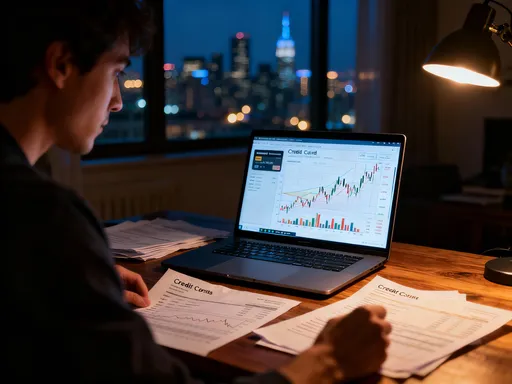
What if you could stay ahead of the market without risking your rent money? I’ve been there—juggling credit card bills, scared to invest, yet desperate to grow my cash. Instead of gambling on hot tips, I started linking my spending habits to broader financial trends. It wasn’t about predicting crashes perfectly, but spotting shifts early. This is how I learned to forecast smarter while staying safe from debt traps—and why it changed everything. By watching my own financial behavior and connecting it to larger economic patterns, I built a practical, low-risk strategy that prioritized debt reduction and cautious growth. No fancy degrees, no risky bets—just awareness, discipline, and a mindset shift that made all the difference.
The Wake-Up Call: When My Credit Card Bill Exposed the Bigger Picture
For years, I treated my credit card debt as a personal failing. Every monthly statement felt like a report card of poor choices—dining out too much, online shopping sprees, vacations I couldn’t afford. I blamed myself, tightened my belt for a few weeks, then slipped back into old habits. It wasn’t until I hit a $7,000 balance with a 22% interest rate that I realized something deeper was happening. This wasn’t just about willpower. My behavior mirrored a much larger economic story.
At the time, consumer debt across the U.S. was rising. Credit card balances nationwide had increased for three consecutive quarters. Economists were noting a surge in household borrowing, driven by rising confidence and easy access to credit. I didn’t know it then, but I was part of a trend—one that often precedes market peaks and eventual corrections. High consumer spending can fuel short-term economic growth, but when it’s debt-fueled, it becomes a warning sign. Inflation pressures build, the Federal Reserve takes notice, and interest rates begin to rise. That’s when the music stops for many households.
My wake-up moment came when I read a Federal Reserve report linking rising consumer credit to potential market instability. It clicked: my personal financial stress wasn’t isolated. It was a microcosm of macroeconomic forces. Instead of seeing my credit card use as a moral failure, I began viewing it as a data point. How much I charged each month, what I spent on, and when I felt the urge to splurge—all of it reflected broader shifts in confidence, income stability, and economic policy. This mindset shift was powerful. It didn’t excuse irresponsible spending, but it helped me understand that personal finance and market behavior are deeply connected.
From that point on, I stopped ignoring my statements. I started tracking not just the numbers, but the patterns. Were my charges rising even though my income hadn’t? Was I using credit for essentials, not luxuries? These questions helped me recognize when I was reacting to external pressures—like rising grocery prices or medical bills—versus emotional spending. That awareness became the foundation of my forecasting strategy. I wasn’t trying to time the market perfectly. I was learning to read the signals my own wallet was sending, and using them to make smarter, safer decisions.
From Spending Patterns to Market Signals: Building a Personal Finance Radar
Once I started treating my credit card activity as a behavioral indicator, I began to notice patterns that aligned with broader economic shifts. For example, during the spring of one year, my dining and travel charges spiked. I had booked a family trip and was eating out more frequently to celebrate small wins. At the time, I thought it was just a seasonal uptick. But when I later looked at economic data, I saw that consumer confidence had reached a 12-month high. Job growth was strong, and inflation was still moderate. That spending surge wasn’t just personal—it was part of a national trend that preceded a modest market rally.
Likewise, when the economy slowed the following winter, I felt it in my own habits. I canceled subscriptions, delayed home repairs, and switched to generic brands. My credit card usage dropped by nearly 40% over three months. I wasn’t alone. National retail sales declined, and unemployment claims rose slightly. The stock market dipped, not dramatically, but enough to rattle some investors. My personal spending slowdown wasn’t a coincidence—it was a reflection of growing caution among consumers. By paying attention to my own behavior, I had unknowingly sensed the shift before it showed up in headlines.
This realization led me to build what I now call my personal finance radar. It’s not a complex algorithm or a subscription service. It’s a simple practice of reviewing my monthly spending and asking: Is this driven by confidence or stress? Am I spending because I feel secure, or because I’m trying to cope? When I see a pattern of increasing discretionary spending—especially on non-essentials—I treat it as a potential warning sign. Historically, periods of high consumer optimism often precede market corrections, as central banks respond to inflation risks by tightening monetary policy.
Conversely, when I notice myself pulling back—choosing home-cooked meals, avoiding new purchases, focusing on debt repayment—I see it as a signal of caution. That doesn’t mean I panic or sell everything. But it does prompt me to review my investment allocations, increase my emergency fund, and avoid making impulsive financial decisions. I don’t rely on this alone, of course. I combine it with broader economic indicators, but my personal spending habits serve as an early-warning system. They’re immediate, real-time data that I experience firsthand. And because they’re tied to my emotions and instincts, they often reveal shifts before official statistics do.
The Risk Control Game: Why Forecasting Isn’t About Winning Big
One of the biggest misconceptions about market forecasting is that it’s about making bold predictions and reaping huge rewards. The truth is, for most people, especially those managing debt, the real value of forecasting lies in risk control. It’s not about picking the next Tesla or Bitcoin at the perfect moment. It’s about avoiding costly mistakes—like buying high during a bubble or panicking and selling low during a dip.
When I began this journey, my primary goal wasn’t to get rich. It was to stop losing money. Every dollar I paid in credit card interest was a dollar I couldn’t invest. At 22%, that meant my debt was growing faster than almost any safe investment could return. So I made a rule: no investing until my high-interest debt was under control. This wasn’t easy. I had friends who were putting money into ETFs and talking about 10% annual returns. But I knew that paying off debt was the highest guaranteed return I could get. Every dollar I paid toward my balance earned me a 22% risk-free return—better than any stock market gain.
This focus on debt reduction did more than just save me money. It reduced my financial anxiety. When I wasn’t constantly stressed about minimum payments and late fees, I could think more clearly about the future. I stopped making emotional decisions—like charging groceries when I was short on cash or skipping payments to fund a weekend getaway. That mental clarity was essential when it came to forecasting. Without the pressure of mounting debt, I could assess market conditions objectively. I wasn’t desperate to chase returns. I could afford to wait.
Over time, this approach changed my relationship with money. I stopped seeing investing as a way to “get rich quick” and started viewing it as a tool for long-term stability. My forecasting efforts weren’t about timing the market perfectly. They were about creating a buffer—knowing when to hold back, when to save more, and when it might be safe to invest a little. By treating debt repayment as my first investment, I built a foundation of financial safety that made every future decision less risky. That, more than any market prediction, was the real win.
Practical Forecasting: Three Tools That Actually Work (Without Being a Pro)
I didn’t have a finance degree or a subscription to Bloomberg. What I did have was curiosity and a willingness to learn. Over time, I identified three simple, accessible tools that helped me connect my personal finances to broader market trends. None of them require expert knowledge, and all are available for free.
The first is the Federal Reserve’s monetary policy announcements. These aren’t just for economists. When the Fed raises or lowers interest rates, it affects everything from mortgage payments to credit card APRs to stock valuations. I started reading the summaries of their meetings—written in plain language—and paying attention to their tone. Are they concerned about inflation? Are they worried about unemployment? Their language often hints at future moves. For example, when the Fed uses words like “elevated inflation pressures” or “tightening labor market,” it’s a signal that rates may rise. That tells me to be cautious with debt and avoid locking in long-term loans. It also suggests that high-growth stocks might face headwinds, so I might shift some savings into more stable assets.
The second tool is the monthly jobs report, officially known as the Employment Situation Summary. It’s released by the Bureau of Labor Statistics and shows how many jobs were added, the unemployment rate, and wage growth. Strong job growth usually boosts consumer confidence, which can lead to more spending and market gains. But if wages rise too quickly, it can fuel inflation—another reason the Fed might hike rates. I don’t memorize the numbers. I just look for trends. Three months of strong hiring? That might be a sign of momentum. Two months of slowing growth? That’s worth noting. I compare it to my own spending—if I feel more secure in my job, I’m likely to spend more. If I’m worried, I pull back. That personal reaction helps me interpret the data.
The third tool is my own spending impulse tracker. Every month, I review my credit card and bank statements and categorize my discretionary spending: dining, shopping, travel, entertainment. I look for spikes or drops and ask why. Did I spend more because I got a bonus? Or because I was stressed and seeking comfort? I also track how I feel about money—am I anxious, confident, or indifferent? Over time, this created a behavioral baseline. When my spending deviates from that baseline, it’s a signal to pay attention. For example, if I’m spending more despite no income change, it might mean I’m feeling overly optimistic—a common precursor to market overvaluation. If I’m cutting back despite stable income, it might signal caution, which could align with a market pullback.
These three tools—Fed announcements, jobs data, and personal spending tracking—don’t give me a crystal ball. But they create a feedback loop. I see how national trends affect my behavior, and how my behavior reflects larger shifts. That awareness helps me make small, timely adjustments. I might delay a big purchase, increase my savings rate, or shift some funds to a high-yield savings account before volatility hits. It’s not about being right every time. It’s about being prepared.
The Payoff: How Smarter Habits Led to Real Gains
The real payoff from this approach wasn’t a windfall from the stock market. It was the quiet, steady progress of building financial resilience. By the time I paid off my credit card debt, I had also built a six-month emergency fund and started investing consistently in low-cost index funds. My returns weren’t spectacular—around 6-7% annually over five years—but they were stable, and more importantly, they were earned without debt.
One of the most powerful moments came during a market correction. Stock prices dropped about 12% over two months due to rising interest rate fears. Many investors panicked and sold. But because I had been watching the Fed’s language and noticed my own spending tightening, I wasn’t surprised. I didn’t sell. Instead, I used the dip as an opportunity to invest a portion of my savings at lower prices. I didn’t time the bottom perfectly, but I avoided the worst of the emotional decision-making that harms long-term returns.
Another win was avoiding the temptation to chase high-risk investments during bull markets. When everyone was talking about meme stocks or crypto surges, I remembered my debt years. I knew how quickly things could go wrong. My personal finance radar showed rising consumer confidence and speculative behavior—not just in the markets, but in my own circle. Friends were taking on debt to invest, buying on margin, making impulsive trades. I pulled back instead. I increased my cash reserves and focused on paying down my car loan. That discipline protected me when those markets corrected.
Over time, this strategy built more than wealth. It built confidence. I no longer felt like a passive victim of market forces. I had tools, habits, and a framework for making decisions. I wasn’t guessing. I was observing, adjusting, and staying grounded. The gains weren’t flashy, but they were sustainable. And because I wasn’t carrying debt, every dollar I earned had more power. It could grow, it could protect, it could provide peace of mind. That’s the real reward of combining forecasting with financial responsibility.
Why Most People Miss the Link Between Credit Use and Market Moves
Most financial advice treats personal spending and market strategy as separate domains. Budgeting experts tell you to cut back on lattes. Investment advisors talk about asset allocation. Rarely do they connect the two. But the truth is, consumer behavior drives the economy. When millions of people max out their credit cards, it increases demand for goods and services. That can boost corporate profits and lift stock prices—temporarily. But it also increases the risk of inflation.
When inflation rises, the Federal Reserve typically responds by raising interest rates. Higher rates make borrowing more expensive, which slows spending. That can lead to lower corporate earnings, reduced consumer confidence, and market declines. So the cycle goes: spending surge → inflation → rate hikes → slowdown → market correction. Your credit card bill isn’t just a personal ledger. It’s a piece of that larger machine.
Most people don’t see this link because they don’t track their spending in context. They see a high bill and feel guilty. They don’t ask: Is this normal? Is everyone spending more? What’s driving this? Without that perspective, they miss early warnings. They keep spending into the peak, then panic when the economy slows. They buy high and sell low, not because they’re bad investors, but because they’re reacting to emotions, not signals.
I learned to see my habits as part of a collective pattern. When I felt the urge to splurge, I asked whether it was because of a bonus or because everyone around me was spending. When I tightened up, I noticed whether it was due to personal hardship or a broader sense of caution. That awareness gave me an edge. I wasn’t waiting for analysts to declare a recession. I was feeling it in my own choices. And that allowed me to adjust before the headlines caught up.
Staying Grounded: Forecasting Without the Hype or Risk
I don’t claim to predict the future. No one can. The market is influenced by too many variables—geopolitical events, technological shifts, unexpected crises. What I’ve learned is that you don’t need to be right all the time to benefit from forecasting. You just need to be aware, disciplined, and willing to connect the dots between your personal life and the wider economy.
My strategy has always been about minimizing risk, not maximizing returns. It’s about paying off debt first, building savings, and using simple tools to stay informed. I don’t follow every market rumor or trade options. I focus on what I can control: my spending, my debt, my savings rate, and my emotional responses. When I see signs of overconfidence—whether in the markets or in my own behavior—I pull back. When I see fear and opportunity, I proceed with caution.
The most important lesson I’ve learned is that financial power doesn’t come from complex models or insider knowledge. It comes from curiosity and consistency. It comes from asking questions, tracking patterns, and making small, smart adjustments over time. You don’t need a six-figure income or a Wall Street job. You just need to pay attention—to your wallet, to the news, and to the quiet signals your spending habits are sending.
By aligning my personal finance decisions with broader economic trends, I’ve gained a sense of control that goes beyond numbers. I’m not perfect. I’ve made mistakes. But I’ve also built resilience. I’ve learned to forecast not to get rich, but to stay safe, stay grounded, and keep moving forward. And that, for me, is the real definition of financial success.