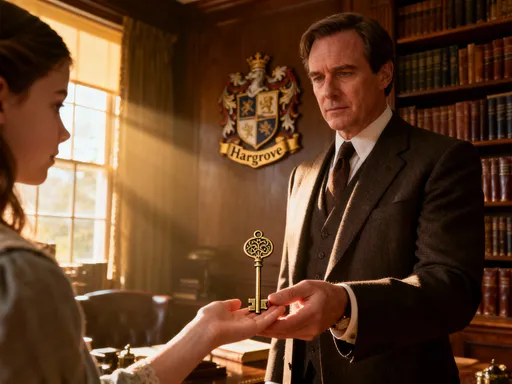
How I Protected My Family’s Legacy Without Losing a Dime
What happens to your brand when you’re no longer around to run it? I once lay awake, staring at the ceiling, realizing my life’s work could vanish in silence. It wasn’t just about money—it was about legacy. I started digging into estate inheritance with a focus on brand continuity and return assurance. What I found changed everything. No hype, no get-rich-quick schemes—just practical, tested steps that safeguard value and ensure your brand lives on, with purpose and protection. This is not a story of sudden wealth or overnight success. It’s about foresight, structure, and the quiet strength of planning. And it’s a path anyone can follow, no matter the size of their business or estate.
The Hidden Risk Behind Family Brands
Many people assume that a successful brand, built over decades of dedication, will naturally pass from one generation to the next like a family home or heirloom jewelry. But the reality is far more fragile. A brand is not a physical object you can hand over with a deed or a key. It is a living, breathing entity made up of trust, reputation, customer loyalty, and market positioning. When proper succession planning is absent, even the most profitable family business can unravel within months of a founder’s passing. Emotional decisions, sibling rivalries, unclear ownership stakes, or the simple lack of a documented vision can dismantle years of hard work faster than any market downturn.
Consider the case of a regional bakery chain that had thrived for over 40 years. Known for its signature sourdough and community presence, the business was deeply embedded in local culture. When the founder passed unexpectedly, his three children inherited equal shares. Without a clear governance structure or defined roles, disagreements quickly emerged. One wanted to expand into franchising, another preferred keeping operations local, and the third was more interested in selling. Within two years, the brand was diluted, locations closed, and the name was eventually sold to an outside investor who rebranded it beyond recognition. The legacy didn’t die from failure—it died from neglect. The tragedy wasn’t financial loss alone; it was the erosion of something intangible yet invaluable: trust built over generations.
This scenario is not rare. Studies show that less than 30% of family businesses survive into the second generation, and only about 12% make it to the third. The cause is rarely poor performance. More often, it’s the absence of a plan that treats the brand as a strategic asset. Traditional estate planning often focuses on dividing assets—cash, real estate, investments—but overlooks the brand’s equity. Yet, that equity is often the most valuable part of the business. Customer loyalty, brand recognition, and market goodwill do not automatically transfer. They must be actively preserved through legal, financial, and operational frameworks. The first step in protecting a legacy is recognizing that a brand is not just a logo or a name—it is a promise kept over time. And like any promise, it requires structure to endure.
Why Return Guarantee Isn’t About Promises—It’s About Structure
When people hear “return guarantee,” they often think of investment products promising fixed profits or insurance policies with assured payouts. But in the context of family legacy, a return guarantee means something deeper: the assurance that the brand continues to generate value for future generations. This isn’t about making unrealistic promises; it’s about building systems that protect and sustain. Just as a well-designed bridge can withstand storms and heavy traffic, a well-structured estate plan can carry a brand through transitions, disputes, and market changes without collapsing under pressure.
The key lies in legal and financial architecture. Tools like trusts, holding companies, and family limited partnerships allow founders to separate ownership from management, ensuring that control remains aligned with vision, not just bloodline. For example, an irrevocable trust can hold the brand’s trademarks and intellectual property, releasing income to beneficiaries while preventing any single heir from selling or altering the brand without consent. This creates a financial cage around the brand’s value—protecting it from impulsive decisions, creditors, or divorce settlements. The trust becomes the guardian, not just of assets, but of identity.
Another powerful structure is the holding company model, where the parent company owns all subsidiaries and brand assets. This allows for centralized control while enabling heirs to receive dividends without having operational authority. It’s like giving someone the right to harvest fruit from a tree without letting them cut down the trunk. This distinction is critical. Many families fail because they equate inheritance with control. But ownership and leadership are not the same. A well-structured plan ensures that only those with the skills and commitment can guide the brand, while others still benefit financially. This reduces conflict and increases the odds of long-term success.
Moreover, these structures can be designed to generate consistent returns. For instance, licensing the brand name to operating entities—whether family-run or third-party—creates a steady revenue stream for the holding company. This income can be distributed to heirs according to predetermined rules, ensuring fairness and stability. Unlike speculative investments, this return is tied to the brand’s enduring value, not market volatility. The result is not a guaranteed windfall, but a sustainable, predictable flow of wealth that honors the founder’s work and supports future generations without risking the brand’s integrity.
Mapping the Brand’s True Value Beyond the Balance Sheet
Most financial statements tell only part of the story. They list assets like cash, equipment, and real estate, but rarely capture the full worth of a brand. Yet, for many family businesses, the brand itself is the most valuable asset. Think of a local restaurant known for its recipes, a boutique store recognized for its curation, or a service company trusted for its reliability. These intangible qualities—customer loyalty, reputation, and emotional connection—are what keep people coming back. They are also what make the business worth more than the sum of its physical parts. The challenge is measuring and protecting them before they’re lost.
Start with customer retention. How many customers return year after year? What is the average lifetime value of a customer? These metrics reveal the strength of the relationship between the brand and its audience. A business with high repeat customers has built trust—a form of equity that can be leveraged in succession planning. Next, examine legal protections. Is the brand name trademarked? Are key slogans, designs, or product names registered? Without trademarks, heirs could lose the right to use the name, even if they own the business. This has happened in real cases where families assumed ownership of a company meant ownership of the brand, only to find the name was never legally secured and was later claimed by a competitor.
Digital presence is another often-overlooked asset. Who owns the website domain? Are social media accounts registered under the business or an individual? What happens to email lists, customer databases, or online reviews if the founder is no longer involved? These digital footprints are not just marketing tools—they are extensions of the brand’s identity. Losing access to them can cripple operations and erode customer trust. A clear inventory of these assets, documented in a brand asset register, ensures nothing slips through the cracks during transition.
Licensing agreements also play a crucial role. If the brand has authorized third parties to use its name or products, those contracts represent ongoing revenue and influence. Reviewing them for duration, exclusivity, and renewal terms helps determine how much control the family retains. Conversely, if the business licenses assets from others, those dependencies must be accounted for, as their termination could disrupt operations. The goal is a complete map of the brand’s ecosystem—its strengths, vulnerabilities, and hidden value. Only with this clarity can a family make informed decisions about succession, protection, and growth.
Choosing the Right Guardians, Not Just Heirs
Inheritance is often seen as a matter of bloodline. Wills are written to divide assets among children equally, assuming fairness means sameness. But when it comes to a family brand, this approach can be disastrous. Just because someone is a descendant does not mean they are equipped to lead. Leadership requires vision, discipline, emotional intelligence, and business acumen—qualities that cannot be inherited. Treating all heirs the same in terms of control can lead to mismanagement, conflict, and eventual decline. The real act of fairness is not equal shares of power, but equal opportunities to contribute and benefit in ways that match their abilities.
This is where the concept of the brand steward becomes essential. A steward is not just an owner; they are a caretaker entrusted with preserving and growing the brand’s legacy. They make decisions not for personal gain, but for long-term sustainability. Identifying the right steward requires honest assessment. Who among the next generation understands the brand’s mission? Who has shown initiative, accountability, and a willingness to learn? Sometimes, the most capable person is not a family member at all—a trusted manager or long-time employee may be better suited to lead. The goal is not to exclude family, but to prioritize competence over tradition.
To formalize this, many successful families establish governance structures like advisory boards or family councils. These bodies provide oversight, resolve disputes, and ensure decisions align with the brand’s values. They can include independent directors—experienced professionals from outside the family—who bring objectivity and expertise. Clear decision rights are documented: Who approves major investments? Who can hire or fire executives? Who controls branding and marketing? These rules prevent power struggles and ensure continuity. In one case, a family business created a constitution that required any change to the brand’s core identity to be approved by a two-thirds majority of the council, including at least one independent member. This simple rule prevented impulsive rebranding attempts and kept the company focused on its mission.
Beneficiaries who are not in leadership roles still receive financial rewards. They may hold non-voting shares or receive dividends from a trust. This way, they benefit from the brand’s success without being involved in day-to-day decisions. It’s a balance between inclusion and effectiveness. The message is clear: everyone has a place in the legacy, but not everyone has to be in charge. This approach reduces resentment, strengthens unity, and increases the likelihood that the brand will thrive for decades to come.
Legal Tools That Lock In Long-Term Success
Good intentions are not enough. Without legal enforcement, even the best succession plans can unravel. The strength of a legacy lies in documents that are binding, clear, and difficult to overturn. This is where tools like irrevocable trusts, family constitutions, and shareholder agreements become indispensable. They are not just paperwork—they are the foundation of long-term protection.
An irrevocable trust, once established, cannot be altered by heirs or courts without specific conditions. It can hold the brand’s core assets—trademarks, domain names, proprietary recipes, or patents—ensuring they remain intact. The trustee, chosen for their integrity and expertise, manages these assets according to the founder’s instructions. Income generated—such as licensing fees—flows to beneficiaries as defined, often in staged distributions based on age or milestones. This prevents sudden wealth from disrupting young heirs’ lives while ensuring financial support over time.
A family constitution is a written agreement that outlines the values, rules, and expectations for how the business and brand will be managed across generations. It may include guidelines on employment (e.g., no family member can join without prior work experience), decision-making processes, and conflict resolution mechanisms. While not always legally binding, it carries moral authority and is often referenced in binding agreements. Families that adopt constitutions report higher levels of harmony and clarity during transitions.
Shareholder agreements are legally enforceable contracts among owners. They can include buy-sell provisions that dictate what happens if an heir wants to exit—whether shares must first be offered to other family members or the company itself. This prevents outside parties from gaining control. They can also restrict voting rights, ensuring that only active managers have a say in operations. These agreements are especially important when some heirs are involved in the business and others are passive investors.
Together, these tools create a layered defense. They shield the brand from forced sales, legal challenges, and internal disputes. They turn emotional decisions into procedural ones. And they allow the founder to extend their influence beyond their lifetime, not through control, but through carefully designed systems that honor their vision.
Preparing the Next Generation—Before It’s Too Late
No plan succeeds if the next generation is unprepared. Many families wait until a health crisis or retirement to begin succession discussions, leaving heirs overwhelmed and undertrained. By then, it’s often too late to build the necessary skills or confidence. The most successful transitions begin early—sometimes decades in advance. This is not about pushing children into the business, but about exposing them to its values, challenges, and responsibilities in a structured way.
Start with education. Younger family members should understand basic financial literacy, business operations, and the history of the brand. This can happen through formal courses, reading assignments, or regular family meetings where business updates are shared. Transparency builds respect and engagement. Next, introduce gradual responsibility. A child might start by managing a small budget for a marketing campaign, assisting with customer feedback analysis, or shadowing senior staff. These experiences build competence and reveal who is truly interested and capable.
Real-world training is critical. Some families require heirs to work outside the company for several years before joining. This brings fresh perspectives and prevents entitlement. It also allows them to prove their skills in a competitive environment. When they do join, they start in entry-level roles, earning promotions based on merit, not name. This builds credibility with employees and ensures they understand the business from the ground up.
Testing commitment is equally important. Involving heirs in strategic discussions—such as reviewing expansion plans or evaluating new product lines—lets them practice decision-making in a low-risk setting. It also reveals their judgment, values, and alignment with the brand’s mission. Families that take this approach report smoother transitions, higher performance, and greater unity. Preparation is not a one-time event; it’s a continuous process of development, feedback, and growth. The goal is not to create perfect leaders, but to build confidence, resilience, and a deep sense of stewardship.
Building a Legacy That Outlives You
True wealth is not measured solely in bank balances or property deeds. It is found in continuity—the ability of a brand to endure, adapt, and inspire across generations. What began as a personal fear—the possibility of a life’s work fading into obscurity—became a mission: to protect not just assets, but meaning. The steps outlined here—recognizing hidden risks, building protective structures, valuing intangible assets, choosing capable stewards, using legal safeguards, and preparing the next generation—are not theoretical. They are practical, proven, and accessible to any family committed to legacy.
This is not about control from beyond the grave. It is about creating freedom—freedom for the brand to thrive, freedom for heirs to contribute in meaningful ways, and freedom from the chaos that follows poor planning. A well-structured legacy does not freeze a business in time; it gives it the tools to evolve while staying true to its core. It turns emotional inheritance into enduring value.
In the end, the greatest gift a founder can leave is not just financial security, but purpose. A brand that continues to serve, innovate, and stand for something—this is the ultimate return. It is the quiet assurance that when the lights are turned off, the work does not end. It lives on, not in memory, but in action. And that, more than any profit margin, is the measure of a life well lived.