Kota Kinabalu’s Cityscape Secrets: What Tourists Keep Getting Wrong
You know that feeling when a city looks stunning in photos but feels totally off in real life? That was me in Kota Kinabalu. I expected skyscrapers and neon lights, but the truth? It’s a whole different vibe. The cityscape is subtle, raw, and easy to misunderstand. I learned the hard way—through missed spots, awkward walks, and one confusing ride on a local minibus. Let me save you the hassle. This is not a city that reveals itself in postcard snapshots. It unfolds slowly, through quiet corners, unexpected interactions, and the rhythm of coastal life. Kota Kinabalu doesn’t perform for tourists. It simply lives. And if you come with the right mindset, you’ll discover a beauty that’s not polished—but deeply real.
First Impressions vs. Reality: The Quiet Pulse of Kota Kinabalu
Many travelers arrive in Kota Kinabalu expecting a modern urban hub, shaped by images of Southeast Asian cities like Singapore or Kuala Lumpur. What greets them instead is a coastal capital that moves at a different pace. The skyline is low, the streets are wide but rarely crowded, and the air carries the faint salt of the South China Sea. This is not a city built for spectacle. It is a city shaped by resilience, geography, and a layered history that refuses to be rushed. The first lesson for any visitor is this: Kota Kinabalu is not loud. Its energy is quiet, steady, and deeply connected to its surroundings.
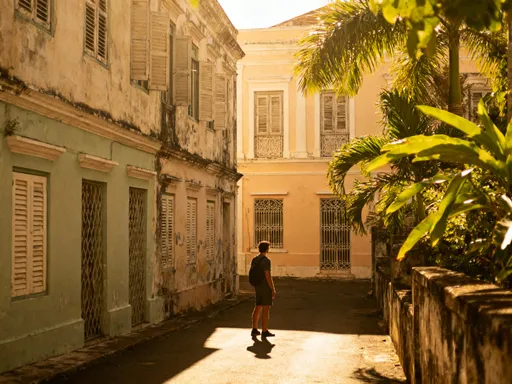
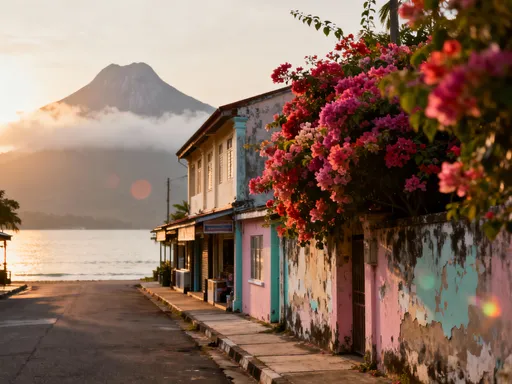
The city’s architectural character reflects this balance. Colonial-era buildings with arched windows and weathered facades stand beside modest concrete structures and small shopping complexes. There are no sprawling business districts or endless rows of glass towers. Instead, the eye is drawn upward—not to buildings, but to the distant silhouette of Mount Kinabalu, often veiled in morning mist or glowing under a golden sunset. This mountain is not just a backdrop; it is a constant presence, a reminder of nature’s dominance over human development. The city doesn’t compete with it. It coexists.
Understanding this dynamic is essential. Tourists who measure a city’s worth by its modernity or density may walk away disappointed. But those who adjust their expectations begin to notice the details: the way sunlight filters through palm trees lining the coastal road, the gentle hum of motorbikes passing by in the early morning, the quiet dignity of old shophouses that have stood for generations. The city’s rhythm is not dictated by rush hours or corporate schedules. It follows the tides, the weather, and the natural flow of daily life. To experience Kota Kinabalu fully, one must slow down, breathe, and let the city reveal itself in its own time.
This is not a place to check off landmarks in a single afternoon. It is a place to linger, to wander without a strict itinerary, and to embrace the unexpected. The quiet pulse of Kota Kinabalu is not a flaw—it is its defining feature. It invites a different kind of engagement, one rooted in observation, patience, and respect for a way of life that values simplicity over speed.
The Pitfall of Overlooking Urban Texture for Iconic Views
It’s easy to fall into the trap of chasing the iconic. Travelers often head straight to Signal Hill or the Waterfront Promenade, hoping to capture the perfect panoramic shot of the city and the sea. While these viewpoints offer undeniable beauty, they represent only a fraction of what Kota Kinabalu truly is. The real story of the city lies not in its postcard vistas, but in the in-between spaces—the narrow lanes, the weathered walls, the bustling alleyways where daily life unfolds away from the tourist trail.
Take Gaya Street, for example. By day, it transforms into a vibrant Sunday market, but even on quiet weekdays, its edges reveal layers of cultural fusion. Chinese shophouses with intricate wooden carvings stand beside Islamic bookstores and modest eateries serving Malay, Chinese, and Kadazan dishes. Graffiti and street art—some political, some playful—appear unexpectedly on aging walls, adding a contemporary pulse to the historic streetscape. These are the textures that define the city: not uniformity, but coexistence. They tell a story of migration, trade, and adaptation, where communities have lived side by side for generations.
Walking through these neighborhoods, you begin to notice the small details that cameras often miss: the scent of frying shallots drifting from a roadside kitchen, the sound of a radio playing traditional Sabahan music from an open doorway, the way bougainvillea climbs over cracked plaster in a burst of color. These moments are not staged. They are real, unfiltered, and deeply human. Yet, they are easily overlooked by those who stick to the main roads or rely solely on guided tours that prioritize efficiency over authenticity.
The lesson here is simple but powerful: put down the phone, step off the beaten path, and allow yourself to get a little lost. The soul of Kota Kinabalu isn’t found in perfectly framed photographs. It’s in the conversations with shopkeepers, the taste of freshly grilled satay from a roadside stall, and the quiet observation of life as it unfolds. When you stop looking for the ‘perfect view’ and start noticing the texture of everyday existence, the city begins to reveal its true character—one that is rich, layered, and full of quiet surprises.
Transport Traps: Navigating the City Without Losing Your Cool
One of the most common frustrations for first-time visitors is getting around. Unlike major metropolises with extensive metro systems, Kota Kinabalu relies on a mix of taxis, ride-hailing apps, and public minibuses known locally as ‘multicabs.’ While this system works well for locals, it can be confusing—and sometimes costly—for tourists. Taxis without meters are still common, and drivers may quote inflated prices to those who look unfamiliar with the city. Ride-hailing apps like Grab are available, but service can be spotty in certain areas or during peak hours, leaving travelers stranded or forced to negotiate with drivers on the spot.
The city’s layout adds to the challenge. While the central areas—such as the Waterfront, Gaya Street, and the Central Market—are within reasonable walking distance of each other, the tropical heat and humidity make long walks uncomfortable, especially between 10 a.m. and 3 p.m. Sidewalks are inconsistent, and shade is limited. This makes spontaneous exploration risky without proper planning. Many tourists end up taking short taxi rides between nearby points, only to realize they’ve paid more than necessary for a five-minute trip.
The solution lies in smart, localized planning. Break your itinerary into clusters. Focus on visiting multiple sites within a single area before moving on. For example, start at the Waterfront in the early morning, walk to the Filipino Market, then head to the Central Market for lunch—all within a compact radius. Use Grab when available, and always confirm the fare before getting into a taxi. If you must take a regular cab, ask your hotel staff to call one for you or write down your destination in Malay to avoid misunderstandings.
Another key tip: travel early or late. The hours between 7 a.m. and 9 a.m., and again from 5 p.m. onward, are ideal for walking. The air is cooler, the light is soft, and the city feels more alive with locals going about their day. You’ll see fishermen unloading their catch, street vendors setting up their stalls, and families enjoying the evening breeze along the promenade. By aligning your movement with the city’s natural rhythm, you not only avoid the heat and transport hassles but also experience Kota Kinabalu at its most authentic.
Timing Missteps: When the City Comes Alive (and When It Doesn’t)
One of the most overlooked aspects of visiting Kota Kinabalu is timing. This is not a 24-hour city. Most shops, markets, and restaurants close by 8 or 9 p.m. Nightlife is limited to a few bars and seafood grills along the Waterfront, and even those quiet down early. Tourists accustomed to vibrant evening scenes in cities like Bangkok or Manila often find themselves with nothing to do after dinner. Some resort to returning to their hotels early, missing out on the city’s more subtle evening charm.
But the truth is, Kota Kinabalu’s magic happens at different hours. Mornings are when the city truly comes alive. The Central Market buzzes with activity as vendors set up stalls selling fresh produce, handmade crafts, and local snacks. The fish market nearby is a sensory experience—icy floors, the smell of the sea, and the chatter of buyers inspecting the morning’s catch. This is when locals are most active, and the energy is palpable. The light during these hours is also ideal for photography—soft, golden, and free of harsh shadows.
Late afternoon and early evening offer another kind of beauty. As the sun begins to set over the South China Sea, the Waterfront Promenade fills with families, couples, and solo walkers enjoying the cooling air. Street food vendors fire up their grills, filling the air with the scent of barbecued seafood and satay. The view of Mount Kinabalu, often illuminated by the last rays of sunlight, becomes a quiet spectacle. This is not a loud, flashy nightlife—it is a gentle winding down, a communal moment of relaxation.
Understanding this rhythm is crucial. Instead of fighting the city’s pace, align your schedule with it. Plan your major explorations for the morning, take a break during the midday heat, and return to the streets in the late afternoon. Have dinner early, then take a leisurely walk along the promenade as the sky turns orange and pink. By doing so, you’re not just seeing the city—you’re living within its natural flow. Missing this timing means missing the heartbeat of Kota Kinabalu, which is not found in late-night parties, but in the quiet, daily rituals of its people.
Overlooking Hidden Layers: Markets, Murals, and Local Hubs
Beyond the well-trodden path of the Waterfront and air-conditioned shopping malls, Kota Kinabalu holds pockets of authentic culture that are often missed by tourists. These hidden layers—markets, murals, community spaces—offer a deeper connection to the city’s identity. They are not always marked on maps or featured in guidebooks, but they are where the city’s soul truly resides.
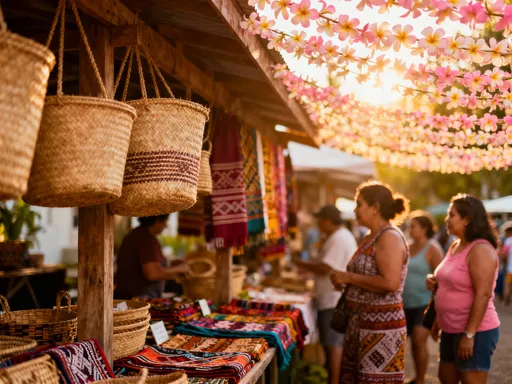
The Filipino Market, officially known as the Filipino Muslim Market, is one such gem. Located near the ferry terminal, it’s a bustling hub of island trade, where vendors from nearby Semporna and Tawau sell handmade baskets, woven mats, and dried seafood. The air is filled with the sound of Tagalog and Bajau languages, and traditional music often plays from portable speakers. It’s not a tourist market—it’s a working marketplace, alive with the energy of real commerce and cultural exchange. Visiting here offers a rare glimpse into the maritime connections that have shaped Sabah for generations.
Another layer can be found in the city’s growing street art scene. Scattered across downtown, particularly near the old post office and along Jalan Masjid India, are murals that celebrate Sabah’s indigenous heritage. Paintings of Kadazan-Dusun farmers, traditional harvest festivals, and native flora and fauna transform blank walls into storytelling canvases. These artworks are not just decorative—they are acts of cultural preservation, created by local artists who want to keep their heritage visible in an evolving urban landscape.
Then there are the emerging community spaces: small urban gardens, independent cafes, and co-working hubs that reflect a new generation’s vision for the city. Places like local coffee roasteries or bookshops with reading corners are becoming quiet gathering spots for young professionals and creatives. They may not make it onto tourist itineraries, but they represent the city’s quiet evolution—a blend of tradition and modernity, rooted in local values. Visiting these spaces adds depth to your experience, turning a simple sightseeing trip into a meaningful encounter with the people who call Kota Kinabalu home.
The Skyline Illusion: Chasing Towers That Don’t Exist
Some travelers arrive with visions of a soaring skyline, expecting a cityscape defined by high-rises and futuristic architecture. But Kota Kinabalu does not play by those rules. Its tallest building, the KKB Tower, stands at just over 100 meters—modest by global standards. There are no clusters of skyscrapers, no neon-lit financial districts. The skyline is, by design, unimposing. And that is precisely where its beauty lies.
The true grandeur of Kota Kinabalu is not vertical, but horizontal. It is found in the vast stretch of sea meeting sky, in the flat expanse of coastal land giving way to distant mountains, in the open horizons that make you feel small in the best possible way. The city does not dominate the landscape. It blends into it. This is not a flaw—it is an intentional harmony between urban life and natural environment.
Nowhere is this more evident than at the Waterfront Promenade at sunset. As the sun dips below the horizon, the sky erupts in hues of orange, pink, and purple, reflecting off the calm waters of the bay. There are no towers to block the view, no billboards to distract. Just open space, fresh air, and the gentle sound of waves. Locals gather with their families, children fly kites, and couples take quiet walks. It is a moment of collective peace—a shared appreciation for beauty that requires no artificial enhancement.
Letting go of the expectation for a modern skyline is liberating. It allows you to appreciate what Kota Kinabalu truly offers: a city that doesn’t try to be something it’s not. It is not Dubai, Singapore, or Hong Kong. It is itself—modest, grounded, and deeply connected to the land and sea. When you release the fantasy of urban grandeur, you make space for a different kind of awe—one that comes from simplicity, openness, and the quiet dignity of a city that knows its place in the world.
Redefining City Beauty: Embracing the Unpolished Charm
The greatest lesson Kota Kinabalu offers is this: beauty does not require perfection. Its charm lies in the unpolished, the weathered, the lived-in. It is in the cracked pavement where weeds grow between the stones, in the old wooden door painted bright blue, in the plastic chairs of a roadside eatery where locals laugh over plates of nasi lemak. These are not flaws to be fixed. They are signs of life—proof that this city is not a museum, but a living, breathing community.
Travelers who come expecting sleek infrastructure and spotless streets may feel disappointed. But those who embrace the imperfections discover a deeper kind of beauty—one that is honest, resilient, and full of character. This is a city that shows its history on its walls, its culture in its food, and its warmth in the smiles of its people. It does not perform for visitors. It simply exists, inviting you to slow down, look closely, and connect.
By adjusting your expectations, you don’t just see Kota Kinabalu—you feel it. You begin to notice the small joys: the coolness of a shaded alleyway, the taste of fresh coconut water from a street vendor, the sound of a distant gong from a temple. These moments add up to an experience that is not about ticking off attractions, but about presence. About being in a place that values calm over chaos, authenticity over appearance, and community over spectacle.
In the end, Kota Kinabalu doesn’t need to be loud to be memorable. Its quiet strength, its unpretentious charm, and its deep connection to nature and culture leave a lasting impression. It reminds us that not every city must be a monument to modernity. Some are meant to be felt, not seen. And for those willing to listen, Kota Kinabalu whispers a truth worth remembering: that the most beautiful places are often the ones that simply let you be.