You Won’t Believe What Marrakech’s Festivals Are Hiding
Marrakech isn’t just about souks and sunsets—its festivals are where the city truly comes alive. I’ve walked through pulsing night markets, danced to Gnawa rhythms, and tasted spices that exploded in my mouth like fireworks. These celebrations aren’t just tourist shows—they’re real, raw, and deeply rooted in Moroccan tradition. If you’re coming for the culture, you’ve got to time your trip right. Let me show you the soul of Marrakech through its most vibrant festival moments—where every drumbeat tells a story and every alley holds a surprise.
The Heartbeat of Marrakech: Why Festivals Define the City’s Soul
Marrakech pulses with a rhythm unlike any other North African city, and its festivals are the most authentic expression of that heartbeat. These events are not staged performances for travelers; they are living traditions passed down through generations, shaped by centuries of Berber, Arab, Andalusian, and sub-Saharan African influences. From the hypnotic chants of Gnawa musicians to the vibrant embroidery of Amazigh women, each festival reveals a different layer of Morocco’s rich cultural tapestry. They are moments when the city pauses, gathers, and celebrates its identity with pride and joy.
Historically, festivals in Marrakech were community-centered events tied to agricultural cycles, religious observances, and royal patronage. The city’s founding in the 11th century by the Almoravid dynasty established it as a political and spiritual hub, and over time, its festivals evolved into grand expressions of unity and faith. Today, whether it’s the rhythmic pounding of drums during the Marrakech Popular Arts Festival or the call to prayer echoing across the medina during Eid, these traditions remain deeply embedded in daily life. For visitors, participating—even as observers—offers a rare window into the soul of Moroccan society.
Unlike visiting a museum or touring a palace, attending a festival allows travelers to experience culture in motion. It’s one thing to read about Sufi whirling dervishes; it’s another to stand in the crowd as they spin under open skies, their chants rising like smoke into the night. The energy is contagious—children laugh in colorful djellabas, elders share stories on low stools, and strangers become temporary companions in celebration. This is not passive tourism; it’s immersive, emotional, and transformative. The festivals of Marrakech don’t just entertain—they connect.
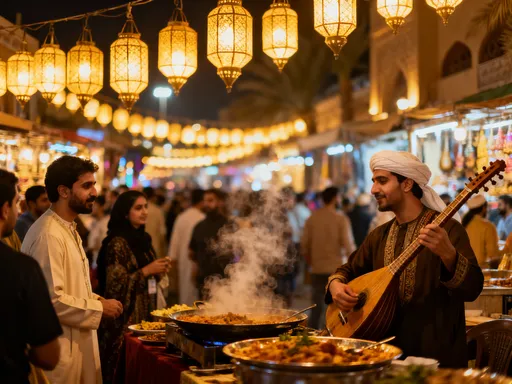
Walking through Jemaa el-Fnaa at dusk during festival season is like stepping into a living painting. The square transforms from a daytime marketplace into a nighttime carnival of sound, scent, and color. Smoke rises from grills where lamb sizzles with cumin and paprika. Musicians play lutes and frame drums, their melodies weaving through the chatter of families sharing meals. Snake charmers and storytellers draw small crowds, keeping ancient arts alive. The air is thick with the perfume of orange blossoms, incense, and grilled meats. In these moments, Marrakech reveals itself not as a destination, but as a feeling—one that lingers long after the final drumbeat fades.
Timing Is Everything: When to Plan Your Trip for Maximum Impact
To experience Marrakech at its most vibrant, timing your visit around its festival calendar is essential. The city hosts a dynamic mix of cultural, religious, and artistic events throughout the year, each offering a distinct flavor of Moroccan life. One of the most anticipated is the Marrakech Popular Arts Festival, typically held in July. This two-week celebration transforms the historic El Badi Palace and surrounding squares into stages for folk music, traditional dance, and theatrical performances. Artists from across Morocco gather to showcase regional styles—from the desert rhythms of the Sahara to the mountain songs of the Atlas. The festival is a feast for the senses and a powerful reminder of the country’s cultural diversity.
Another highlight is the Marrakech International Film Festival, usually taking place in late November or early December. While more modern in tone, this event brings global cinema to the heart of the medina and attracts international stars and filmmakers. Screenings are often held in open-air venues, creating a magical atmosphere under the stars. Even if you’re not attending formal events, the city buzzes with excitement during this time, and the blend of Moroccan hospitality with global glamour is unforgettable. For film enthusiasts and casual visitors alike, it’s a unique opportunity to see Marrakech through a cosmopolitan lens.
Religious festivals, which follow the Islamic lunar calendar, also play a central role in the city’s rhythm. Ramadan, the holy month of fasting, is a deeply spiritual time that transforms daily life. While restaurants may be closed during daylight hours, the evenings come alive with iftar meals, communal prayers, and night markets. The atmosphere is one of generosity and reflection, and travelers who respect local customs are often welcomed into the spirit of the season. Eid al-Fitr and Eid al-Adha, which mark the end of Ramadan and the Hajj pilgrimage respectively, are joyous family-centered celebrations filled with feasting, gift-giving, and visits to loved ones.
Planning around these events requires some foresight. Major festivals often mean higher accommodation prices and limited availability, so booking several months in advance is strongly recommended. Travelers should also be aware that the dates of Islamic holidays shift each year, so checking official announcements from the Moroccan Ministry of Tourism or local cultural centers is wise. While Ramadan may not be ideal for those seeking lively nightlife, it offers a rare chance to witness authentic traditions—lantern-lit souks, charitable food distributions, and the warm camaraderie of breaking fast together. For those seeking a balance, late spring or early autumn offers pleasant weather and a good chance of catching smaller local festivals without peak-season crowds.
Beyond the Main Stage: Finding Authentic Local Experiences
While large festivals draw attention, some of the most memorable moments in Marrakech happen in the quiet corners and narrow alleys away from the spotlight. True cultural immersion often comes not from ticketed events, but from spontaneous encounters in neighborhoods like Derb Zankat, Riad Zitoun, or Bab Doukkala. These are the places where families gather on rooftops during Eid, where children chase each other through alleys decorated with colored lanterns, and where the sound of hand drums echoes long after the official performances end.
One of the most beautiful aspects of Marrakech’s festival culture is its accessibility. Unlike curated tourist experiences, many celebrations are open to all—locals and visitors alike. In the days leading up to Eid al-Fitr, for example, it’s common to see women preparing msemen and chebakia in their homes, their doorways open, the scent of honey and sesame filling the air. With a warm smile and a simple “Salam alaikum,” travelers may be invited to taste freshly made pastries or join in the preparations. These are not performances—they are real moments of shared joy.
For those seeking authenticity, the key is to wander with intention and humility. Put away the camera for a moment and simply observe. Sit at a small café in the medina and watch as elders play checkers under shaded awnings. Follow the sound of music to a spontaneous drum circle in a hidden courtyard. During the Popular Arts Festival, while the main stage draws crowds, the real magic often happens in the surrounding alleys, where local musicians play for friends and neighbors. These unscripted moments—where music, food, and laughter flow naturally—are the heart of the experience.
Respectful engagement is essential. Learning a few basic phrases in Moroccan Arabic—such as “Shukran” (thank you), “La bas” (no problem), or “Bslama” (goodbye)—goes a long way in building rapport. Dressing modestly, especially during religious festivals, shows cultural sensitivity. When photographing people, always ask permission with a gesture or a smile. And perhaps most importantly, be present. Put down the phone, listen to the stories being told, and allow yourself to be welcomed. In Marrakech, hospitality is not a service—it’s a way of life.
What to Pack (and What to Leave Behind): Festival-Ready Essentials
Packing for a festival in Marrakech requires a balance between practicality and cultural awareness. The city’s climate, especially during summer festivals, can be hot and dry, with temperatures often exceeding 35°C (95°F). Lightweight, breathable clothing made from cotton or linen is ideal. Loose-fitting garments not only keep you cool but also align with local norms of modesty, particularly for women. Long skirts, tunics, or wide-leg pants paired with short-sleeve tops are both comfortable and respectful.
A scarf or shawl is one of the most versatile items to bring. It can shield your shoulders and head from the sun, serve as a cover-up when entering religious sites, or even double as a picnic blanket during outdoor performances. For footwear, choose comfortable yet stylish options that can handle uneven cobblestones and long days of walking. Closed-toe flats or low sandals with good support are recommended—avoid flip-flops, which can be impractical in crowded areas. If you plan to attend evening events, a light jacket or cardigan is useful, as desert nights can be surprisingly cool.
Safety and convenience are also key considerations. A small crossbody bag with a secure zipper helps deter pickpockets and keeps your hands free. Carry cash in small denominations—Moroccan dirhams are essential, as many street vendors and small food stalls do not accept cards. A portable phone charger is a must, especially during long festival days when you’ll be using your device for photos, maps, and communication. And while bottled water is widely available, a refillable bottle with a built-in filter supports sustainability and keeps you hydrated without contributing to plastic waste.
There are also things best left at home. Flashy jewelry, designer logos, or expensive gadgets can draw unwanted attention in crowded markets. Over-packing limits your ability to move freely and absorb the experience. Marrakech rewards simplicity—travelers who blend in, dress modestly, and carry only what they need often find themselves more warmly received. By packing thoughtfully, you’re not just preparing for comfort—you’re showing respect for the culture you’re about to enter.
Eat Like a Local: Festival Foods You Can’t Miss (And Where to Find Them)
No festival in Marrakech is complete without food, and the city’s culinary offerings during celebrations are nothing short of extraordinary. Each dish tells a story—of family, faith, and the land itself. During Ramadan, the evening meal of iftar begins with dates and sweet mint tea, followed by steaming bowls of harira, a rich soup made with lentils, tomatoes, chickpeas, and spices like ginger and saffron. Found at street stalls and home kitchens alike, harira is a symbol of nourishment and community, often shared with neighbors and the less fortunate.
In the medina, especially around Jemaa el-Fnaa, the night market becomes a culinary playground during festivals. Skilled vendors grill lamb and chicken over open flames, seasoning them with cumin, coriander, and paprika. Msemen, a flaky, square-shaped flatbread, is served hot with honey or olive oil—a favorite morning and afternoon treat. For something sweet, chebakia, a flower-shaped pastry coated in honey and sesame, is a Ramadan staple that melts in your mouth. These foods are not just delicious—they are edible traditions, passed down through generations.
Seasonal specialties also shine during celebrations. During Eid al-Adha, families prepare tagine with lamb, prunes, and almonds, a dish that simmers for hours and fills homes with warmth and aroma. In spring, you might find fresh figs, oranges, or sardines grilled with herbs—simple yet flavorful expressions of Morocco’s agricultural bounty. The key to finding the best food is to follow the crowds. Busy stalls with long lines are usually a sign of freshness and authenticity. Look for vendors who are interacting with locals, not just tourists.
Jemaa el-Fnaa remains the epicenter of festival dining, but venturing into surrounding alleys can lead to hidden gems. Small family-run stands often serve the most memorable meals—perhaps a handmade briouat (stuffed pastry) or a cup of fresh orange juice squeezed on the spot. Always carry hand sanitizer or wipes, as outdoor eating means limited access to restrooms. And don’t be afraid to point and smile—many vendors are happy to offer a sample or guide you to their specialty. Eating like a local isn’t just about taste; it’s about connection.
Navigating the Chaos: Smart Moves for Staying Safe and Sane
The energy of Marrakech’s festivals is exhilarating, but it can also be overwhelming. Crowds in Jemaa el-Fnaa can swell to thousands, especially at night, and the constant sensory input—music, smoke, voices, movement—can be draining. To stay safe and enjoy the experience fully, a few smart strategies go a long way. First, travel with a companion whenever possible. Not only is it more enjoyable, but having someone with you helps deter opportunistic theft and provides support if you feel disoriented.
Pickpocketing is the most common concern in crowded areas. Keep your bag closed and in front of you, and avoid carrying large amounts of cash. Use a money belt or hidden pouch for important documents and extra money. If you’re using a smartphone for photos or navigation, be aware of your surroundings and avoid displaying it unnecessarily. Many travelers find it helpful to carry a decoy wallet with a small amount of cash, reserving their real wallet for essential moments.
Language barriers can add to the challenge, but they don’t have to be a barrier to connection. Learning a few basic Arabic or French phrases—such as “Ayna al-hammam?” (Where is the restroom?) or “Bikam hada?” (How much is this?)—can ease interactions. A friendly smile and gestures often bridge the gap when words fail. If you’re unsure about directions, ask shopkeepers or uniformed police officers, who are generally helpful to tourists.
For nighttime travel, stick to well-lit streets and use registered taxis, identifiable by their red license plates and official meters. Avoid unmarked vehicles or drivers who approach you in the medina. Before getting in, agree on the route or ensure the meter is running. It’s also wise to save local emergency numbers in your phone and download offline maps of the city, as internet connectivity can be spotty in narrow alleys. While the festival atmosphere is joyful and welcoming, staying aware ensures your experience remains positive from start to finish.
Beyond the Festival: Turning Celebration Into Connection
The true magic of Marrakech’s festivals lies not just in the music, food, or spectacle, but in the human connections they foster. These celebrations are built on a culture of hospitality, where guests are treated with generosity and warmth. Many travelers leave not with souvenirs, but with memories of shared meals, spontaneous dances, and conversations with artisans who speak of their craft with pride. These moments—brief as they may be—can become lifelong impressions.
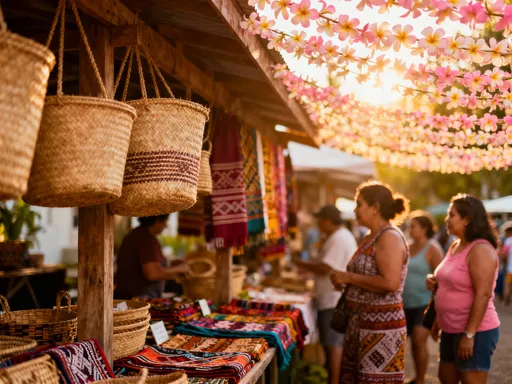
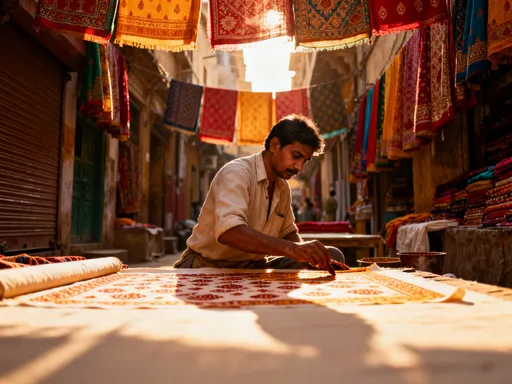
One of the most rewarding ways to deepen your experience is to slow down. Instead of rushing from one event to the next, sit with a tea vendor, ask about his family, or admire the intricate patterns of a handwoven rug. Many artisans are happy to explain their work, from the natural dyes used in textiles to the symbolism in Berber jewelry. Some may even invite you into their workshop or home, offering a glimpse into daily life beyond the festival lights.
Participation doesn’t require fluency in the language or perfect rhythm. Joining a circle dance, clapping along to a drumbeat, or accepting a cup of mint tea with both hands are small gestures that speak volumes. Moroccans appreciate effort and sincerity far more than perfection. By listening more than speaking, observing before acting, and showing genuine curiosity, travelers can build bridges of understanding that last long after the journey ends.
In the end, the festivals of Marrakech are not just events—they are invitations. Invitations to celebrate, to connect, to see the world through a different lens. They remind us that culture is not something to be consumed, but lived. And in a world that often feels divided, these moments of shared joy—under the stars of the Sahara, in the heart of an ancient medina—offer a powerful reminder of our common humanity. Come for the festivals, stay for the connections, and leave with a heart full of stories that only Marrakech can tell.