You Won’t Believe What I Found Near Teotihuacan’s Ancient Pyramids
Standing at the base of the Pyramid of the Sun, I never expected shopping to cross my mind—but Teotihuacan’s surrounding markets changed everything. Just beyond the ancient stones, local artisans sell handcrafted treasures that feel like whispers from the past. This isn’t your average tourist trap; it’s a cultural journey where history meets handmade beauty. If you think Mexico’s only about ruins and tacos, think again—this discovery will redefine your travel checklist. The air hums with quiet reverence near the temples, yet just outside the archaeological zone, life pulses in vibrant color, sound, and scent. Vendors unfold wooden stalls beneath canvas awnings, arranging obsidian mirrors, hand-painted clay bowls, and cotton huipiles dyed in earth-rich hues. These are not mass-produced trinkets, but objects born of centuries-old traditions, passed down through generations. For the mindful traveler, especially those who value authenticity and connection, this fusion of heritage and craftsmanship offers something far more lasting than a photograph. It offers a piece of living history—one you can hold in your hands and carry home.
First Glimpse: When History Meets Handmade Culture
As visitors step beyond the grand entrance of the Teotihuacan archaeological site, the first impression is one of awe. The Pyramid of the Sun rises with silent majesty, its stone layers catching the morning light like the pages of an ancient book. The scale of the city’s ruins—once home to over 100,000 people at its peak around 450 CE—commands respect and wonder. But just a short walk from the main ticket booth, another world unfolds. Along the dusty roadside and in small open-air plazas, local artisans have established a network of stalls that feel less like commercial enterprises and more like cultural extensions of the site itself. These vendors are not outsiders capitalizing on tourism; many are descendants of families who have lived in the region for generations, preserving skills that echo the aesthetics and values of the civilization that once thrived here.
What makes this transition so powerful is its organic nature. Unlike heavily regulated souvenir zones found near other major historical landmarks, the marketplace around Teotihuacan retains a sense of authenticity. There are no neon signs or plastic sombreros here—at least not among the reputable sellers. Instead, travelers encounter wooden tables adorned with intricate obsidian carvings, handwoven rebozos, and pottery shaped using techniques that predate the arrival of Europeans. The connection between the artifacts and the land is palpable. A clay bowl painted with geometric patterns mirrors the motifs seen on temple murals. An obsidian pendant carved into the shape of an eagle recalls the warrior symbolism of the ancient city. For the observant traveler, these details create a narrative thread that links past and present.
Moreover, the presence of artisans near the ruins serves a dual purpose: it sustains livelihoods and educates visitors in subtle ways. When a vendor explains how natural pigments are extracted from cochineal insects or how clay is hand-coiled without a potter’s wheel, it becomes more than a sales pitch—it becomes a mini-lesson in cultural resilience. This proximity transforms a simple purchase into a meaningful exchange. The experience feels less transactional and more like participation in a living tradition. For women between 30 and 55, many of whom seek enriching, purposeful travel experiences, this blend of history, artistry, and human connection offers a rare depth that lingers long after the trip ends.
The Main Strip: What You’ll Actually Find (And What to Skip)
Just outside the official entrance to the archaeological zone, a row of small shops and temporary stalls lines the road, forming what is commonly known as the main market strip. This area is the most accessible and visible hub for shopping, making it ideal for first-time visitors with limited time. The offerings here reflect a curated balance between tourist appeal and cultural authenticity. Among the most sought-after items are obsidian products—ranging from polished mirrors to intricately carved animal figures and ceremonial knives. Obsidian, a naturally occurring volcanic glass, was highly valued in Mesoamerican cultures for its sharpness and reflective properties. Today, local artisans continue to shape it using traditional tools and methods, preserving a craft that dates back over a thousand years.
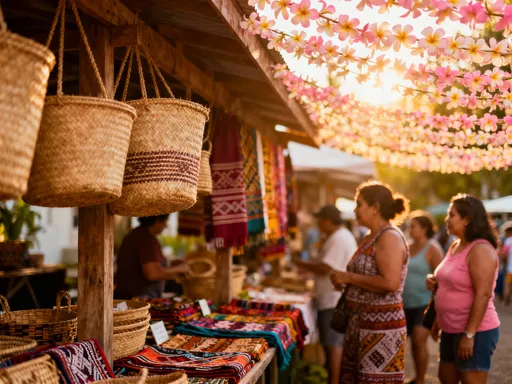
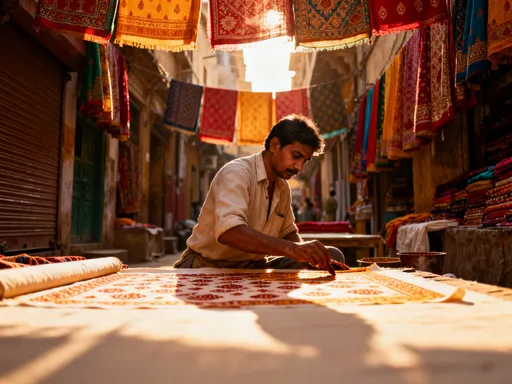
Equally prominent are hand-thrown ceramics. These include everything from miniature replicas of temple urns to functional items like mugs, plates, and incense burners. Many pieces are decorated with red, black, and cream pigments in patterns reminiscent of Teotihuacan’s mural art. The clay is often sourced locally, and the firing process still relies on open-air kilns in some workshops. Another staple of the market is textiles. Women in the region weave cotton and wool on backstrap looms, producing rebozos (traditional shawls), table runners, and embroidered blouses. The designs frequently incorporate geometric patterns or floral motifs rooted in pre-Hispanic symbolism, though some pieces also reflect later indigenous influences from Nahua and Otomi communities.
However, not everything on offer is authentic. Travelers should remain mindful of imported imitations, particularly among cheaper items like plastic replicas of pyramids or mass-produced keychains labeled “Made in China.” A good rule of thumb is to examine the weight and finish of an object—handmade pieces tend to have slight imperfections, uneven edges, or variations in color, which are signs of genuine craftsmanship. If a vendor is willing to explain the making process or demonstrate a tool, it’s usually a positive indicator of authenticity. Price can also be a clue: items that seem too inexpensive are often not locally made. When in doubt, it’s better to spend a little more on a piece that supports a real artisan than to save money on something that undermines the local economy.
Beyond the Tourist Path: Hidden Markets Only Locals Know
For those willing to venture a bit further, the true heart of the region’s artisan culture lies in the small towns surrounding the archaeological site. San Juan Teotihuacan and San Martín de las Pirámides, located just a few kilometers away, host weekend markets that are frequented more by locals than tourists. These gatherings offer a more immersive experience, where shopping blends seamlessly with daily life. Early on Saturday or Sunday mornings, families set up folding tables under shaded patios or in church courtyards, selling homemade goods that reflect both necessity and creativity. Here, the atmosphere is quieter, more personal, and deeply rooted in community.
In these local markets, visitors might find tamales wrapped in corn husks, freshly baked pan dulce, and jars of honey harvested from nearby hives. But alongside the food, artisans display their crafts with quiet pride. A grandmother might sell hand-embroidered napkins stitched over weeks, while a young couple offers clay lamps shaped like temples. Some vendors specialize in natural dyes, using plants like añil (indigo) and zacatlaxcalli (a type of lichen) to color wool and cotton. These markets often feature live music—soft melodies played on flutes or string instruments—that add to the sense of occasion. Unlike the more commercialized strip near the ruins, bargaining is less common here; prices are fair, and the emphasis is on mutual respect.
One of the greatest rewards of visiting these hidden markets is the opportunity to witness the craft process firsthand. Some artisans bring their tools and work on pieces while selling, allowing travelers to observe the time and care involved. A potter might be seen smoothing the rim of a bowl with a polished stone, or a weaver adjusting threads on a loom. These moments of observation create a deeper appreciation for the objects and the people who make them. For the discerning traveler, especially those who value sustainability and ethical consumption, these local markets represent the gold standard of cultural tourism—where every purchase contributes directly to a family’s well-being and helps preserve ancestral knowledge.
Why These Crafts Matter: More Than Just Souvenirs
Behind every handcrafted item sold near Teotihuacan is a story of cultural endurance. These are not mere souvenirs designed for quick turnover; they are expressions of identity, resilience, and continuity. Many of the techniques used by today’s artisans have been passed down through generations, surviving conquest, colonization, and modernization. The use of natural dyes, for example, is not a trendy eco-choice—it is a centuries-old practice that reflects a deep understanding of local flora and chemistry. Similarly, the method of hand-coiling clay, rather than using a wheel, is not a shortcut but a deliberate technique that allows for greater control and symbolic meaning in the shaping process.
Supporting these artisans does more than provide a keepsake; it sustains entire communities. In a region where employment opportunities can be limited, craft production offers a vital source of income, particularly for women and elders. When travelers choose to buy directly from makers, they help ensure that profits stay within the local economy rather than being siphoned off by large distributors or foreign manufacturers. This direct exchange fosters dignity and pride, reinforcing the value of traditional knowledge in a world that often prioritizes speed and uniformity over care and uniqueness.
Moreover, the preservation of these crafts plays a crucial role in cultural education. Children who grow up watching their parents weave, carve, or paint are more likely to carry those skills forward. Workshops and cooperatives in the area often include youth training programs, ensuring that the next generation remains connected to their heritage. By purchasing a hand-painted pot or a woven shawl, travelers become part of this cycle of preservation. They are not just acquiring an object—they are helping to keep a living tradition alive. For women who appreciate the quiet strength of family, legacy, and intergenerational wisdom, this connection adds profound meaning to the travel experience.
How to Shop Respectfully—and Get the Best Deals
Shopping in Teotihuacan’s markets is as much about relationship as it is about acquisition. While the goal may be to bring home a beautiful piece, the manner in which it is obtained matters deeply. One of the most important practices is to approach vendors with courtesy and genuine interest. A simple “buenos días” and a smile can open the door to a richer interaction. Many artisans appreciate when visitors take the time to ask about the making process, the meaning behind a design, or the history of their craft. These conversations often lead to more personalized recommendations and, occasionally, access to pieces not on display.
Bargaining is common but should be done with sensitivity. Unlike in some tourist-heavy destinations where aggressive haggling is expected, the culture here leans toward fairness and mutual respect. A polite inquiry like “¿Tiene un precio especial?” (Do you have a special price?) is more effective than trying to drastically reduce the asking amount. Keep in mind that many prices are already modest, reflecting the vendor’s need to earn a living, not to maximize profit. Carrying small bills—such as 20, 50, or 100-peso notes—makes transactions smoother and shows consideration for those who may not have change for larger denominations.
Another important consideration is photography. While it’s tempting to capture the vibrant colors and intricate details of the crafts, it’s essential to ask permission before photographing people, especially elders or families. Some may welcome it, while others may prefer privacy. Respecting these boundaries builds trust and honors the dignity of the individuals behind the art. Additionally, taking the time to learn a few basic Spanish phrases can enhance the experience, even if communication remains simple. Phrases like “me encanta” (I love it) or “es muy bonito” (it’s very beautiful) go a long way in creating a positive connection.
Pairing Culture with Comfort: Where to Refuel Nearby
After hours of exploring ruins and browsing markets, travelers will appreciate knowing where to rest and recharge. Fortunately, the area around Teotihuacan offers several welcoming spots to enjoy regional cuisine and take a break. Small family-run eateries, known locally as fondas, line the roads leading to the site. These casual restaurants serve hearty, home-cooked dishes that reflect the agricultural abundance of the Valley of Mexico. One of the most celebrated local specialties is barbacoa—a slow-cooked lamb dish traditionally prepared in an underground pit. Served with warm tortillas, chopped onions, and a squeeze of lime, it’s a comforting meal that fuels both body and spirit.
For a lighter option, visitors can try atole, a warm, thick drink made from masa (corn dough), water, and flavored with vanilla, chocolate, or fruit. Often sold by street vendors in the early morning, it pairs perfectly with sweet bread or tamales. Some markets also feature stands offering tlacoyos—oval-shaped masa cakes stuffed with beans, cheese, or fava beans and topped with nopales (cactus paddles) and salsa. These foods are not only delicious but also deeply rooted in indigenous culinary traditions, making them another form of cultural immersion.
Comfort is also found in the small details: shaded plazas with benches, clean restroom facilities, and bottled water vendors. The main entrance area includes seating areas where travelers can sit quietly, admire their purchases, and reflect on the day’s experiences. For those returning to Mexico City, public buses and colectivos (shared vans) depart regularly from the site’s parking lot, making transportation convenient and affordable. Knowing that rest, nourishment, and return travel are all within easy reach allows visitors to focus on the richness of the experience without stress.
Bringing It Home: Traveler Tips for Transport & Preservation
Once you’ve selected your treasures, the next step is ensuring they arrive home safely. Handmade pottery, obsidian carvings, and woven textiles are durable when handled with care, but they require thoughtful packing. For fragile items like clay bowls or mirrors, wrap them individually in soft clothing or bubble wrap and place them in the center of your suitcase, surrounded by padded layers. Avoid checking bags with delicate crafts if possible; carry-ons offer greater protection and oversight. If you’re purchasing larger pieces, such as wall hangings or ceremonial masks, consider using a shipping service available through some local cooperatives—many offer secure packaging and international delivery.
It’s also wise to check your home country’s customs regulations regarding imported handicrafts. While most handmade goods made from natural materials like clay, cotton, and volcanic glass are permitted, some countries have restrictions on items containing animal products (such as feathers or leather) or certain plant-based dyes. Keeping a receipt or certificate of origin, if provided, can simplify the process and demonstrate the item’s cultural significance. Additionally, labeling your suitcase as carrying fragile items can help ensure careful handling during transit.
Finally, remember that the true value of these crafts extends beyond their physical form. Each piece carries the imprint of a maker’s hands, a community’s history, and a civilization’s legacy. When you place a hand-painted bowl on your shelf or drape a woven rebozo over a chair, you’re not just decorating a space—you’re honoring a tradition. You’re keeping the spirit of Teotihuacan alive, not as a relic of the past, but as a living, breathing culture that continues to inspire. For the thoughtful traveler, especially one who cherishes connection, meaning, and beauty, this is the most enduring souvenir of all.