You Won’t Believe What Dubai’s Festivals Are Hiding—This Is Next-Level
Dubai’s festival season isn’t just about flashy lights and crowded malls—it’s a full-on cultural explosion that transforms the city into a playground of tradition, flavor, and energy. I’ve been through three festival seasons here, and each time, I discover something unexpected: from midnight date tastings during Ramadan to pop-up desert concerts under the stars. This is the real Dubai—vibrant, authentic, and wildly exciting. If you’re planning a trip, timing it with a festival might just be your best move. These events aren’t staged for tourists; they reflect the pulse of a city that celebrates heritage while embracing the future. From the aroma of spiced coffee in old souks to the glow of LED-lit fountains during New Year’s Eve, Dubai’s festivals offer layers of experience waiting to be uncovered. For women in their 30s to 50s who travel for meaning as much as relaxation, this is a destination that delivers both joy and depth.
Why Festival Season Changes Everything in Dubai
Festival season in Dubai isn’t a minor sidebar to your visit—it’s the main event. When the calendar shifts to December or January, the city undergoes a transformation that affects everything from transportation schedules to dining options and hotel pricing. The Dubai Shopping Festival, for instance, doesn’t just mean discounts; it triggers extended metro hours, pop-up entertainment zones, and even special family-friendly programming in public parks. These shifts create a rhythm that savvy travelers can sync with to maximize their experience. Unlike typical sightseeing trips where you follow a fixed itinerary, visiting during a festival allows you to move with the city’s energy rather than against it.
One of the most noticeable changes is accessibility. During major festivals, the government and private sectors collaborate to improve connectivity. Free shuttle buses appear between key venues like Global Village and Dubai Festival City. The Dubai Metro often runs an extra hour, especially on weekends, making it easier to enjoy evening events without worrying about ride-hailing costs or traffic. For family-oriented travelers, this means more flexibility—children can attend cultural performances late into the evening, and parents don’t have to rush back to the hotel by 8 p.m. These logistical upgrades are rarely advertised internationally but make a significant difference on the ground.
Equally important is the shift in cultural availability. Outside of festival times, traditional Emirati music or heritage workshops might be limited to museums or school programs. But during events like the Dubai Heritage Week or the run-up to National Day, these experiences are brought into public spaces. You might stumble upon a henna artist demonstrating ancient patterns in Al Seef or hear a poet reciting in Arabic at a community plaza. These moments aren’t performed behind glass cases—they’re alive, participatory, and open to everyone. By aligning your visit with festival timing, you gain access to a version of Dubai that most guidebooks don’t capture.
The economic rhythm also changes. While some hotels raise prices during peak festival weeks, others offer bundled packages that include event tickets, dining credits, or spa treatments. Smart travelers who book early—six to eight weeks in advance—can lock in favorable rates before the surge. Additionally, many banks and credit card companies partner with retailers during the Dubai Shopping Festival to offer extra cashback or installment plans, making luxury purchases more accessible. This blend of cultural richness and practical advantage makes festival season not just exciting, but strategically wise.
Top 3 Festival Experiences You Can’t Skip
If you’re planning a trip around Dubai’s festival calendar, three events stand out as essential: the Dubai Shopping Festival, the Dubai Food Festival, and the Dubai International Jazz Festival. Each offers a unique window into the city’s personality, blending global appeal with local authenticity. These aren’t generic celebrations copied from other cities—they’re carefully curated experiences that reflect Dubai’s identity as a bridge between tradition and innovation.
The Dubai Shopping Festival, which typically runs from late December to early February, is more than a retail event. Yes, you’ll find massive discounts—up to 75% off at major malls like Dubai Mall and Mall of the Emirates—but the real value lies in the atmosphere. Midnight shopping nights turn the city into a carnival, with live performances, lucky draws, and even ice skating rinks set up in outdoor plazas. What makes this special for adult women travelers is the sense of community. Groups of friends and families roam together, laughing, trying on clothes, and sharing meals at pop-up food courts. It’s energetic without being overwhelming, glamorous without feeling exclusive.
Equally compelling is the Dubai Food Festival, usually held in February. This isn’t just a series of restaurant promotions; it’s a culinary journey across cultures and neighborhoods. The “Taste of Dubai” event gathers top chefs in a single park, offering tasting plates from Michelin-recognized kitchens. But the hidden gem is the “Street Food Trail,” which guides visitors to under-the-radar spots like Al Nahda or Deira, where family-run stalls serve Emirati dishes such as luqaimat (sweet dumplings) and machboos (spiced rice with meat). These trails often include storytelling elements—chefs share family recipes, and hosts explain the significance of certain ingredients in Gulf culture. For women who connect with places through food, this is a deeply rewarding experience.
The Dubai International Jazz Festival, held over several weekends in February, rounds out the trio with its relaxed, inclusive vibe. Set in open-air venues like the Dubai Media City Amphitheatre, the festival features international artists alongside regional talent. You might hear a Lebanese jazz band one night and a British soul singer the next—all under the stars, surrounded by palm trees and soft lighting. What sets this apart is the audience: multigenerational, multicultural, and fully engaged. Parents bring children, couples enjoy date nights, and solo attendees find easy conversation. The seating is casual, the dress code flexible, and the overall tone welcoming. It’s proof that Dubai’s entertainment scene isn’t just about spectacle—it’s about connection.
Smart Timing: When to Visit Based on Festival Goals
Not all festivals are created equal, and choosing the right one depends on what you’re seeking from your trip. Dubai’s festival calendar spans nearly half the year, giving travelers the flexibility to align their visit with personal interests. Whether you’re drawn to savings, cultural immersion, or entertainment, there’s a season that fits.
If your goal is value and shopping excitement, January is ideal. The Dubai Shopping Festival kicks off right after New Year’s, bringing citywide discounts and special promotions. Retailers often launch exclusive products during this period, and international brands time their releases to coincide with the influx of visitors. For women who enjoy curated shopping experiences—think designer boutiques, beauty pop-ups, and fashion shows—this is the perfect time to visit. Plus, the weather in January is mild, averaging between 20–25°C (68–77°F), making outdoor events comfortable even in the evenings.
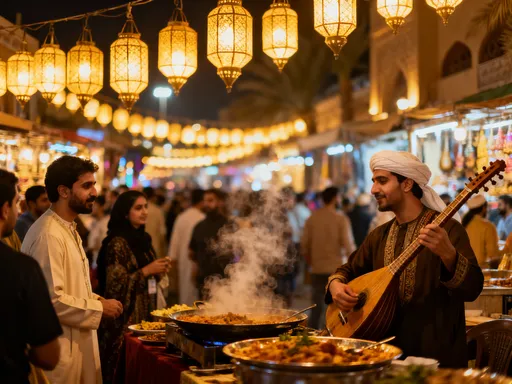
For those interested in deeper cultural experiences, the months of Ramadan and Eid al-Fitr offer unparalleled access to Emirati traditions. While non-Muslim visitors might assume the city slows down during Ramadan, the opposite is true after sunset. Iftar tents—where families break their fast—spring up in hotels and public spaces, serving traditional meals in elegant settings. Many of these are open to guests, offering a chance to taste dishes like harees (wheat and meat porridge) and jallab (a date-based drink) in a respectful, welcoming environment. The nights come alive with prayer recitations, lantern displays, and community events. It’s a quieter, more reflective kind of celebration, perfect for travelers seeking meaning and connection.
If your priority is nightlife and music, February is your month. In addition to the Dubai International Jazz Festival, the city hosts a series of concerts, beach parties, and rooftop events. The atmosphere is festive but not chaotic—security is visible yet unobtrusive, and families are still present in many spaces. This balance makes it ideal for women traveling alone or with friends who want to enjoy evening entertainment without feeling out of place. The weather remains pleasant, and outdoor venues are in full use, creating a relaxed, cosmopolitan vibe.
Beating the Crowds Without Missing the Magic
It’s no secret that Dubai’s festivals attract large crowds. Places like Global Village, City Walk, and the Dubai Miracle Garden can feel overwhelming, especially on weekends. But with a few strategic choices, you can enjoy the highlights without the stress. Locals have developed simple but effective habits that help them navigate the busiest times—and these are easy for visitors to adopt.
One of the most effective strategies is timing. Arriving early in the day—between 9 a.m. and 11 a.m.—lets you experience popular spots before the peak rush. At Global Village, for example, the cultural pavilions are less crowded in the morning, allowing for better conversations with artisans and clearer photos of handmade crafts. Similarly, the Dubai Miracle Garden is more peaceful before noon, when the heat and foot traffic are lower. Early visits also mean cooler temperatures, which is especially helpful for older travelers or those sensitive to the sun.
Transportation choices also make a difference. While ride-hailing apps like Uber and Careem are convenient, prices surge during high-demand hours. Using the Dubai Metro before 10 a.m. avoids both traffic and inflated fares. Stations like Burj Khalifa/Dubai Mall and Dubai Internet City provide direct access to major festival venues. For added comfort, consider wearing lightweight clothing and carrying a reusable water bottle—free refill stations are available at most metro stops and event sites.
Another smart move is exploring satellite events. While the main festival zones draw the biggest crowds, smaller offshoots often offer the same quality with fewer people. During the Dubai Food Festival, for instance, neighborhood food walks in areas like Jumeirah or Al Quoz attract local food lovers but remain under the radar for tourists. These events are usually walkable, set in quieter streets with shaded pathways, and include stops at boutique cafes and artisan bakeries. They provide a more intimate, relaxed pace—ideal for travelers who want authenticity without the frenzy.
How to Eat Like a Local During Festival Time
Dubai’s food scene during festival season is a revelation. While the city is known for luxury dining, the festivals bring forward a different side—one rooted in tradition, family, and community. Street food isn’t an afterthought; it’s celebrated as an art form. From camel milk ice cream to date-stuffed pastries, limited-edition dishes appear at pop-up stalls, often run by Emirati families sharing recipes passed down for generations.
One of the best ways to navigate this abundance is through the official festival food trails. These guided routes highlight specific neighborhoods and vendors, often including tasting tickets or discount vouchers. In Deira, you might follow a path that leads from a spice souk to a hidden café serving karak tea and chebab (Emirati pancakes). In Al Serkal Avenue, a cultural district, pop-up food trucks serve fusion dishes like saffron-infused lamb sliders or rosewater panna cotta. These trails are designed to be walked at a leisurely pace, with rest areas and shaded seating along the way—perfect for women traveling with companions or taking solo breaks.
Technology also plays a helpful role. Apps like Talabat and Deliveroo update their listings during festivals to include temporary vendors, so you can check menus and reviews before visiting. The official Dubai Calendar app includes real-time updates on food events, including chef appearances and cooking demonstrations. Some hotels even offer “food passport” programs, where guests collect stamps by trying specific dishes and earn rewards like free desserts or cooking class invitations.
For those interested in hands-on experiences, many festivals include live cooking sessions. Emirati chefs demonstrate how to prepare dishes like balaleet (sweet vermicelli with omelet) or madrouba (a creamy rice and meat dish), explaining the cultural significance behind each ingredient. These sessions are often held in open-air kitchens or community tents, fostering conversation and connection. You’re not just watching—you’re learning, tasting, and sometimes even helping stir the pot. It’s a warm, inclusive way to engage with local culture.
Transport & Budget Hacks Only Locals Know
Navigating Dubai during festival season doesn’t have to be expensive or stressful. Locals have mastered a set of practical habits that keep costs low and mobility high—habits that visitors can easily adopt. The key is relying on public infrastructure while making small, strategic choices.
The Nol Card is one of the most valuable tools. This rechargeable smart card works on the metro, buses, trams, and even some water taxis. Unlike ride-hailing apps, its fares don’t surge during peak times. A daily commute between Dubai Mall and Global Village costs a fraction of an Uber ride—and you avoid traffic entirely. For festival-goers attending multiple events, purchasing a weekly pass can offer even greater savings. Cards can be bought at metro stations or convenience stores, and balances are easy to check via machine or app.
Accommodation choices also impact both budget and convenience. Staying near a metro station—especially on the Red or Green Line—means you’re never more than a 15-minute walk from major attractions. Areas like Burj Khalifa, Dubai Internet City, and Union Square offer a range of hotels, from mid-tier chains to luxury properties, all within walking distance of transport hubs. Booking a room with a city view isn’t just scenic; it often means you’re close to pedestrian pathways, reducing the need for last-mile taxis.
Another local trick is combining transit with short walks. Instead of taking a taxi directly to Global Village, ride the metro to the closest station and walk the last 10 minutes. Not only does this save money, but it also allows you to enjoy the outdoor ambiance—festive lights, street performers, and cooling breezes. Many festival venues are designed with walkability in mind, featuring shaded pathways, water misting stations, and seating areas. Travelers who embrace this rhythm find that moving through the city becomes part of the experience, not just a means to an end.
Beyond the Glitz: Finding Authentic Moments in the Chaos
Beneath the dazzling surface of Dubai’s festivals lies a quieter, more meaningful layer—one that speaks to the heart of Emirati culture. While fireworks, luxury brands, and celebrity performances grab headlines, the true gems are often found in simple, human moments. These are the experiences that stay with you long after the trip ends: a grandmother teaching you how to wrap a shawl, a musician playing oud by the creek, or a child offering you a date during Iftar.
In the Al Fahidi Historical Neighborhood, storytelling circles come alive during festival season. Elders gather in courtyard tents to share folktales, poems, and personal memories of old Dubai—when the city was a fishing village and neighbors knew each other by name. These sessions are informal, often bilingual, and open to all. You can sit on floor cushions, sip Arabic coffee, and listen as history unfolds in a voice that carries both pride and warmth. For women who value intergenerational connection, these moments are priceless.
Another authentic experience is the traditional dhow cruise along Dubai Creek. While dinner cruises are common, the festival season brings special editions with live music, poetry readings, and cultural commentary. Gliding past the old souks and wooden abras (ferries) under a starlit sky, you gain a new perspective on the city—one that honors its maritime roots. Some cruises even include a stop at a heritage house, where you can see traditional crafts like palm weaving or incense making.
During Ramadan, community Iftar tents offer perhaps the most profound connection. Organized by mosques, charities, and hotels, these tents serve free meals to anyone who wishes to join, regardless of background. The act of breaking fast together—starting with dates and water, followed by a shared meal—creates a sense of unity and gratitude. Many women find this experience deeply moving, not for its spectacle, but for its sincerity. It’s a reminder that hospitality is at the core of Emirati culture.
These authentic moments don’t require special tickets or reservations. They’re woven into the fabric of the festival season, waiting to be discovered by those who slow down, look closely, and engage with kindness. They transform a vacation into a meaningful journey—one that enriches the mind and warms the heart.
Dubai’s festivals are more than entertainment—they’re invitations to live like a local, even if just for a week. With the right timing, mindset, and a few insider moves, you’re not just visiting; you’re participating. The city reveals itself differently during these months, warmer and more alive. Don’t just see Dubai—feel it, taste it, move with it.