You Won’t Believe What I Found in Kamakura’s Hidden Shopping Streets
Walking through Kamakura feels like stepping into a quieter, more soulful version of Japan—one where ancient temples whisper history and local life unfolds at a gentle pace. But beyond the shrines, something unexpected awaits: a world of charm-packed shopping lanes, tiny boutiques, and artisan stalls that most tourists miss. I wandered far off the postcard path and discovered how shopping here isn’t about souvenirs—it’s about connection, craftsmanship, and the quiet joy of finding something truly one-of-a-kind.
The Soul of Kamakura: More Than Just Temples
Kamakura, nestled between forested hills and the Pacific coast, once served as Japan’s political heart during the 12th century. As the seat of the first shogunate, it became a center of military power and spiritual life, a legacy still visible in its over 100 temples and shrines. Yet today, Kamakura is not a museum frozen in time—it is a living town where history flows through daily routines. The air carries the faint scent of incense from morning rituals, and stone staircases worn smooth by centuries of footsteps lead not just to sacred sites but into the rhythm of ordinary life.
What makes Kamakura so distinct is its unhurried atmosphere. Unlike the electric pulse of Tokyo just an hour away, this coastal city moves at the pace of bicycle wheels turning on cobblestone alleys and laundry swaying gently in sea breezes. This calmness invites deeper engagement. Travelers who slow down begin to notice subtle details: a wooden sign hand-carved with kanji, a shopkeeper sweeping leaves from a moss-covered entrance, or the soft chime of wind bells drifting from a hidden garden. These quiet moments are not incidental—they shape the way people live, work, and shop here.
In Kamakura, commerce is deeply intertwined with community. Local businesses are often family-run, passed down through generations, and rooted in tradition rather than mass tourism. There’s a sense of stewardship—shop owners take pride in preserving their craft and sharing it authentically. Whether selling handmade fans, locally harvested tea, or hand-stitched textiles, these artisans see their work as part of a larger cultural narrative. For visitors, this means shopping becomes less transactional and more relational—a way to participate in the town’s enduring spirit.
From Pilgrimage to Purchase: How History Shapes Local Commerce
The spiritual heritage of Kamakura continues to influence its modern economy in profound ways. Centuries ago, pilgrims traveled long distances to worship at its temples, carrying offerings and returning with sacred tokens. Today, that same journey continues in a gentler form—modern-day visitors follow similar paths, drawn by reverence, curiosity, and a desire for meaning. Along the way, they encounter vendors whose wares are not mere souvenirs but extensions of centuries-old practices.
Near Tsurugaoka Hachimangu, the city’s most important shrine, small stalls line the approach, offering items used in Shinto rituals: bundles of incense, hand-sewn omamori (protective charms), and juzu prayer beads made from sandalwood or crystal. These goods are not mass-produced trinkets. Many are crafted locally, often by the vendors themselves, using techniques handed down through generations. A woman in a cotton apron might carefully tie knots in red thread for a charm meant to bring safe childbirth, while an elderly man arranges rows of hand-turned wooden amulets, each one slightly different due to the natural grain of the wood.
What sets these purchases apart is their authenticity. Buying an omamori here feels different than grabbing a keychain from a gift shop—it carries intention. Visitors often pause before choosing, reflecting on what they hope to carry home: protection, healing, or gratitude. This mindfulness transforms the act of shopping into a personal ritual. Even those unfamiliar with Shinto customs find themselves moved by the sincerity embedded in each object. It’s a reminder that commerce, when rooted in tradition, can become a form of quiet reverence.
Moreover, many of these vendors reinvest in the community. Some donate a portion of their proceeds to temple maintenance, while others host workshops to teach children traditional crafts. In this way, every purchase supports not just an individual artisan but a living cultural ecosystem. Travelers leave not only with a keepsake but with the knowledge that they’ve contributed to something enduring.
Komachi Street: The Beating Heart with Hidden Layers
No visit to Kamakura is complete without walking Komachi-dori, the lively shopping street that stretches from the east exit of Kamakura Station toward Tsurugaoka Hachimangu. At first glance, it appears like any popular tourist lane—bright signs, crowds, and the sweet scent of grilled mochi in the air. But beneath the surface hums a more nuanced reality. While some shops cater to the rush of visitors with generic snacks and plastic trinkets, others quietly uphold the town’s artisanal soul.
The key is knowing where to look. Near the entrance, it’s easy to be drawn to the long lines for matcha soft serve or the colorful displays of wagashi (traditional sweets). These treats are delightful and worth trying, especially when made with locally grown tea. But venture just a few steps further, past the souvenir shops, and the street reveals its quieter, more thoughtful side. Here, small family-run stalls sell handmade dango skewers, each ball of rice flour gently pounded and steamed, then glazed with sweet soy or red bean paste. The owners often greet customers by name, remembering regulars who come every season.
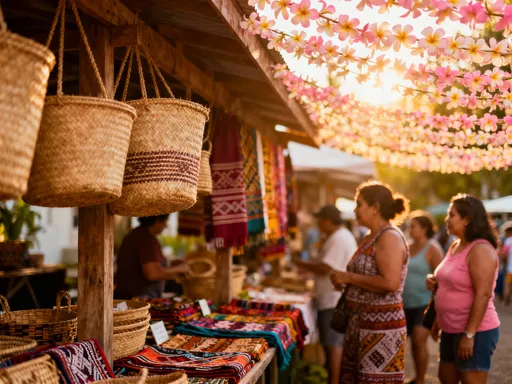
Among the most rewarding finds are the shops specializing in traditional crafts. One tucked-away boutique offers handwoven bamboo baskets, lightweight yet durable, used for carrying tea ceremony tools or seasonal produce. Another features washi paper goods—notebooks bound with natural fibers, ink brushes made from horsehair, and delicate folding fans painted with cherry blossoms. These items are not just beautiful; they are functional, designed to be used daily and cherished over time.
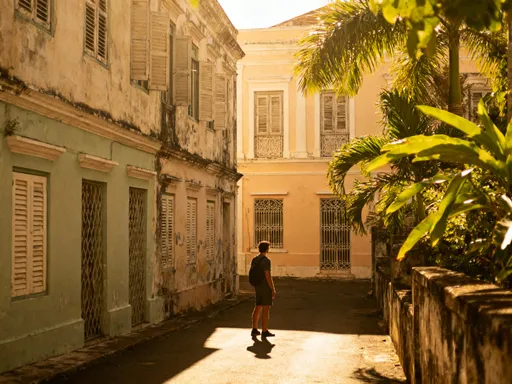
To experience Komachi Street authentically, it helps to visit early in the morning, before the tour groups arrive. At 8 a.m., the light slants softly between buildings, and shopkeepers are just opening their wooden shutters. This is when the street feels most alive in its truest sense—when locals stop by for a warm dango, when artisans arrange their displays with care, and when the spirit of Kamakura shines through in quiet gestures. For the mindful traveler, this is where discovery begins.
Off the Beaten Path: Kuruma and the Artisan Alleys
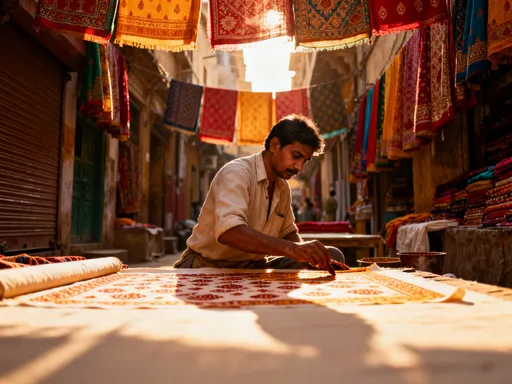
While Komachi Street draws the crowds, the real treasures of Kamakura’s shopping culture lie beyond the main thoroughfares, in neighborhoods like Kuruma and Hase. These quieter districts are home to independent studios, tucked into narrow lanes and behind ivy-covered walls, where artisans dedicate their lives to preserving traditional crafts. Visiting these spaces offers a rare opportunity: not just to buy, but to witness creation in progress.
In Kuruma, a short walk from the Enoden Line’s Gokurakuji Station, a cluster of ceramic workshops invites visitors to observe potters shaping clay on spinning wheels. One such studio, run by a third-generation artisan, specializes in shino and oribe glazes—soft whites and mossy greens that echo the colors of Kamakura’s forests. Guests can watch as bowls take form, each curve shaped by decades of practice. Some studios even offer hands-on experiences, allowing visitors to try their hand at throwing a small cup or decorating a plate with traditional brushwork.
Further into Hase, near the path leading to the Great Buddha, small shops specialize in calligraphy tools and natural dyes. A family-run indigo studio, operating for over 70 years, offers demonstrations of the centuries-old aizome technique. Visitors can see how cotton and silk fabrics are dipped repeatedly into vats of fermented indigo, emerging in deep, shifting blues. The process is slow and deliberate—each piece requires days to complete—and the resulting scarves, napkins, and kimonos carry the weight of patience and precision.
What makes these experiences so powerful is the direct connection between maker and buyer. There are no middlemen, no branding campaigns—just people who love their work and are eager to share it. Conversations happen easily, even across language barriers, through gestures, smiles, and the universal language of craftsmanship. When you leave with a hand-thrown teacup or a naturally dyed handkerchief, you’re not just carrying an object—you’re carrying a story, a moment, a memory of human care.
Farmers’ Markets and Seasonal Treasures
One of the most authentic ways to experience Kamakura’s culture is through its seasonal farmers’ markets. Held periodically near Tsurugaoka Hachimangu and other community spaces, these gatherings celebrate the region’s agricultural richness. The Kamakura Shunji no Ichi, or Seasonal Produce Market, takes place several times a year and draws local farmers, foragers, and home cooks who bring their freshest harvests to share.
Walking through the market is a sensory journey. Tables overflow with crisp daikon radishes, leafy greens still dusted with soil, and baskets of wild mountain vegetables foraged from nearby forests. One vendor might offer thick slices of fresh wasabi root, its pungent aroma sharp and clean, while another sells hand-fermented tsukemono—pickled cucumbers, eggplants, and mustard greens preserved in ceramic crocks. Local sake brewers pour samples of small-batch rice wine, explaining how the soft mountain water contributes to its smooth flavor.
These markets are not just about food—they are about connection to place. Many of the farmers have worked the same land for generations, adapting to the region’s mild climate and rich soil. Their knowledge is deep, and they are often happy to share tips on how to prepare seasonal ingredients. A grandmother might demonstrate how to grill sanma (Pacific saury) over binchotan charcoal, or a young farmer might explain the difference between heirloom satsuma imo (sweet potatoes) and modern varieties.
For visitors, shopping at these markets feels meaningful. Each purchase supports sustainable agriculture and preserves local foodways. A small bag of heirloom rice or a jar of homemade miso becomes more than a souvenir—it becomes a taste of Kamakura’s land and seasons. And when you later prepare a meal with these ingredients, you’re not just eating—you’re continuing a tradition.
Craftsmanship as Connection: Why These Shops Stick With You
Years after a trip, most souvenirs fade into obscurity—tossed, forgotten, or lost. But the objects we bring home from places like Kamakura often endure, not just in physical form but in memory. A simple wooden spoon, hand-carved by a local artisan, might sit in your kitchen drawer for decades, its surface smoothed by use. Each time you reach for it, you remember the quiet workshop, the smell of sawdust, the smile of the craftsman who shaped it just for you.
This emotional resonance is what distinguishes mindful shopping from mindless consumption. Mass-produced items lack provenance. They have no story, no human touch. But when you buy directly from a maker—whether it’s a ceramicist, a weaver, or a farmer—you participate in a deeper exchange. You’re not just a customer; you’re a witness to a craft, a supporter of a tradition, a link in a chain that stretches back generations.
That connection lingers. It transforms the way we see everyday objects. A tea bowl is no longer just a vessel—it’s a reflection of the earth it was dug from, the hands that shaped it, the kiln that fired it. A piece of indigo cloth is not just fabric—it’s the color of fermented leaves, the rhythm of repeated dips, the patience of slow artistry. These items invite us to slow down, to appreciate, to cherish.
For travelers, especially those seeking meaning in their journeys, this shift in perspective is invaluable. It encourages us to buy less but choose well. To seek out quality over quantity. To value objects not for their price tag but for their purpose and story. In doing so, we honor not only the artisans but ourselves—the kind of travelers we aspire to be.
Planning Your Immersive Shopping Journey: Practical Tips
To truly experience Kamakura’s hidden shopping culture, planning matters. Timing can make all the difference between a crowded, rushed visit and a peaceful, immersive one. Weekdays are ideal, especially Tuesday through Thursday, when tour groups are fewer and shopkeepers have more time to chat. Mornings, between 9 and 11 a.m., offer the best light and the calmest atmosphere, perfect for wandering without haste.
Consider pairing your shopping with nature. The Daibutsu hiking trail, which connects Kōtoku-in Temple to Hase, offers stunning views of the city and sea. After a peaceful walk through bamboo groves and stone pathways, you’ll arrive in Hase refreshed and ready to explore its craft stores with a slower, more observant mind. Similarly, a bike ride along the Enoden Line’s scenic route allows you to hop between districts at your own pace. Many rental shops near Kamakura Station offer comfortable bicycles, and the flat coastal paths make cycling accessible even for beginners.
Transportation within Kamakura is simple and scenic. The Enoden Line, a charming single-car train, runs along the coast from Fujisawa to Enoshima, stopping at key points like Komachi, Hase, and Yuigahama. It’s not just a way to get around—it’s part of the experience. Riding with the windows down, feeling the sea breeze, watching locals commute with shopping bags and umbrellas, you begin to feel like a temporary resident rather than a passing tourist.
When visiting artisan studios, a little etiquette goes a long way. Always ask before taking photos, and if a workshop offers a demonstration, a small donation or purchase is a thoughtful way to show appreciation. Many artisans don’t speak fluent English, but kindness and curiosity transcend language. A simple bow, a smile, or the effort to say “arigatou gozaimasu” (thank you) can open doors and deepen connections.
Conclusion
Shopping in Kamakura is not about filling a suitcase. It’s about filling the soul. In a world where travel often feels rushed and commercialized, this coastal town offers a different rhythm—one where every purchase can be an act of understanding, every object a bridge to culture and care. From the quiet alleys of Kuruma to the seasonal bounty of local markets, Kamakura invites us to look closer, to listen, to connect.
When you return home, you may find that the things you brought back—the hand-carved spoon, the indigo napkin, the jar of pickled vegetables—are not just items. They are echoes of conversations, moments of stillness, fragments of a slower way of life. They remind you that travel, at its best, is not about seeing more but feeling more. So go not to collect, but to connect. Walk with curiosity. Shop with intention. And let Kamakura’s hidden streets leave their quiet mark on your heart.