You Won’t Believe What I Ate in Pula
Pula, Croatia isn’t just about ancient Roman ruins and sparkling Adriatic waters—its food culture is a quiet revelation. I went expecting scenic views, but stayed for the flavors: smoky Istrian pršut, handmade fuži pasta in truffle sauce, and seafood so fresh it tastes like the sea itself. This isn’t fancy dining; it’s real, humble, and deeply rooted in tradition. If you're heading to Croatia, skip the tourist traps—let me show you how to eat like a local in Pula. Every bite tells a story of land, family, and centuries-old craft. This is not just a meal—it’s a journey into the soul of Istria.
Arrival in Pula: First Bites and Local Impressions
Stepping off the plane in Pula, the Mediterranean air carries more than just the scent of salt and sun—it brings the unmistakable aroma of garlic, rosemary, and charred fish sizzling over open flames. Within minutes of arriving, the city’s culinary heartbeat becomes clear. Unlike the polished, menu-driven restaurants of mass tourism, Pula’s food culture thrives in unassuming corners: roadside grills, tucked-away konobas, and family-run eateries where the chef might also be the host, the waiter, and the recipe keeper. The first meal I had was not in a starred restaurant, but at a small stone-walled tavern near the marina, where a woman in a floral apron placed a basket of warm bread on the table, followed by a shallow dish of thick, golden olive oil.
Dipping bread into that oil was a revelation—fruity, peppery, and alive with flavor. This simple act, repeated across Istria, is more than a starter; it’s a ritual. It signals the beginning of a meal rooted in generosity and seasonality. Meals in Pula rarely begin with a menu but with a question: “What’s fresh today?” The answer might be grilled sardines, wild asparagus from the hills, or a plate of cheese drizzled with thyme honey. There’s no pretense here, only presence. Travelers who come looking for landmarks quickly find themselves drawn into deeper rhythms—the rhythm of the market, the pace of a long lunch, the quiet pride of a cook serving food grown just miles away.
What makes this first culinary encounter so powerful is its authenticity. There are no scripted experiences, no staged authenticity. The people of Pula don’t perform their culture—they live it. A grandmother might hand-roll fuži pasta in her kitchen while her grandson tends the fire outside. A fisherman might deliver the morning’s catch directly to a konoba, where it’s grilled and served within hours. These moments are not curated for tourists; they are part of daily life. To eat in Pula is to be invited into that life, even if only for a meal.
The Heart of Istrian Cuisine: Ingredients That Define the Region
Istrian cuisine is built on a foundation of exceptional ingredients, each shaped by the region’s unique geography and climate. Nestled between the Alps and the Adriatic, Istria enjoys mild winters, warm summers, and red clay soil—conditions so favorable for agriculture that the land has fed communities for millennia. It is this terroir that gives Istrian food its depth and distinction. At the core of it all are four pillars: truffles, olives, wine, and pršut. These are not just ingredients; they are cultural emblems, each with a legacy that stretches back generations.
Truffles, especially the prized white truffle found in the forests around Motovun, are perhaps the most celebrated. These aromatic fungi grow in symbiosis with oak and hazelnut trees, and their harvest remains a closely guarded tradition. Local truffle hunters, often accompanied by specially trained dogs, venture into the woods at dawn, reading the land like a map. The scent of a fresh truffle is intoxicating—earthy, musky, and complex—and when shaved over pasta or eggs, it transforms simple dishes into something extraordinary. Unlike the cultivated truffles of other regions, Istrian truffles are wild, making them rarer and more flavorful.
Olive oil is another cornerstone. Istria produces some of the finest extra virgin olive oil in the Mediterranean, often labeled as “liquid gold” for its rich color and bold taste. The oil is cold-pressed from native varieties like Leccino and Oblica, and the best batches are harvested in November during the annual olive harvest festivals. Families gather to pick olives by hand, then bring them to local mills where they are crushed within hours. The resulting oil is peppery on the finish, a sign of freshness and high polyphenol content. It’s used generously—in salads, on bread, and even drizzled over ice cream in artisanal desserts.
Pršut, the Istrian version of prosciutto, is cured for months in the dry bora wind that sweeps down from the mountains. This natural airflow preserves the ham without refrigeration, allowing it to develop a deep, savory flavor. Unlike Italian prosciutto, which is often milder, Istrian pršut has a smoky, almost nutty depth, especially when aged for 12 to 24 months. It’s typically served in thin slices with olives, cheese, and a glass of red wine—a combination that defines the Istrian appetizer.
Finally, wine completes the quartet. Malvazija Istrianka, a crisp white grape, thrives in the limestone-rich soil and produces wines with notes of citrus, pear, and wild herbs. Teran, a bold red varietal, grows on steep slopes and delivers intense acidity and dark fruit flavors, making it an ideal pairing for rich dishes and cured meats. These wines are not mass-produced; most come from small family vineyards that practice sustainable farming and hand-harvesting. Together, these four elements—truffles, oil, pršut, and wine—form the soul of Istrian cuisine, a cuisine that honors the land and those who tend it.
Must-Try Dishes: From Fuži to Fresh Octopus
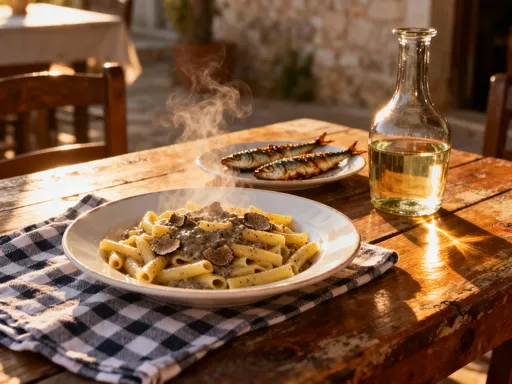
To understand Pula through food is to taste its history, geography, and resilience. The dishes here were born not from culinary ambition, but from necessity—what the sea provided, what the soil yielded, and how families preserved food through the seasons. Today, these dishes are celebrated not for their complexity, but for their honesty. Among the most iconic is fuži, a hand-rolled pasta shaped like small tubes. Traditionally made by women in family kitchens, fuži is boiled and then tossed in rich sauces—most famously, a creamy truffle ragù. The pasta’s rough texture holds the sauce perfectly, and each bite delivers a deep, earthy aroma that lingers on the palate.
Another staple is grilled fish, particularly sardines and sea bass. Caught daily in the Adriatic, these fish are often simply seasoned with salt, olive oil, and lemon, then grilled over wood or charcoal. The result is delicate, flaky flesh with a smoky edge that enhances rather than masks the natural flavor. In coastal konobas, you’ll often see fish displayed on ice, and you can point to your choice before it’s prepared. This farm-to-table immediacy is not a trend—it’s tradition.
Octopus salad is another must-try. The octopus is slow-cooked until tender, then sliced and mixed with potatoes, capers, onions, and parsley, all dressed in local olive oil and red wine vinegar. The dish is served cold, making it ideal for warm summer days. Its texture is both chewy and smooth, and the acidity of the vinegar cuts through the richness of the oil. It’s a dish that speaks to the resourcefulness of coastal cooking—using every part of the catch and transforming it into something elegant.
Other regional highlights include maneštra, a hearty soup made with beans, smoked pork, and seasonal vegetables, often cooked in a cauldron over an open fire. Then there’s buzara, a seafood stew simmered in a sauce of wine, garlic, and breadcrumbs, traditionally served with crusty bread for soaking up the broth. Each dish reflects a deep connection to the environment—what’s available, what’s sustainable, what’s been passed down. These are not dishes designed for Instagram; they are meant to be shared, savored, and remembered.
Where to Eat: Beyond Tourist Menus
One of the greatest challenges for travelers in Pula is distinguishing authentic dining from tourist-oriented establishments. In the city center, especially near the Roman Arena, it’s easy to fall into the trap of restaurants with laminated menus in six languages, plastic-covered tables, and photos of food under glass domes. These places often serve reheated dishes, imported ingredients, and inflated prices. To eat like a local, you must go deeper—into the neighborhoods, down narrow alleys, and off the main tourist paths.
The best indicator of authenticity is the daily menu, known as the dnevni meni. This handwritten or chalkboard menu changes every day based on what’s fresh at the market or what came in with the morning’s catch. It’s usually posted outside the restaurant or given verbally by the owner. Konobas that offer a dnevni meni are committed to seasonality and quality. They don’t need glossy brochures because their reputation is built on flavor and consistency.
Another tip is to arrive early, especially during peak season. Many authentic konobas don’t take reservations and have limited seating. Arriving around 6:30 PM gives you the best chance to secure a table and experience the full rhythm of the meal. Dinner in Pula is not rushed—it unfolds over hours, with small plates arriving gradually, wine poured generously, and conversation flowing freely.
Some standout spots include family-run konobas in the suburbs of Pula, like those in the villages of Vinkuran or Banjole. These are often housed in old stone buildings with vine-covered walls and outdoor seating shaded by fig trees. The owners might greet you at the door, offer a sample of homemade rakija (fruit brandy), and guide you through the menu with pride. These are not performances—they are invitations.
Additionally, look for places where locals eat. If you see Croatian families, fishermen, or older couples dining together, it’s a good sign. Avoid restaurants with aggressive hosts trying to pull you in, or those with multilingual menus that list “Croatian specialties” alongside pizza and burgers. True Istrian food doesn’t need to advertise—it speaks for itself when you taste it.
Markets and Food Experiences: Tasting Pula Like a Local
For a deeper understanding of Pula’s food culture, the Pula Green Market is an essential stop. Open daily in the city center, this bustling marketplace is where locals shop for the day’s ingredients. Stalls overflow with seasonal produce—plump tomatoes, purple artichokes, wild greens, and fragrant herbs like sage and fennel. Cheeses from mountain dairies, honey infused with forest blossoms, and jars of homemade pickles line wooden tables. The market is not just a place to buy food—it’s a living classroom.
Engaging with vendors can lead to unexpected discoveries. A farmer might offer a taste of fresh sheep’s cheese drizzled with thyme honey, or a fishmonger might explain how to prepare a particular catch. These interactions are not transactions; they are exchanges of knowledge and hospitality. Many visitors come for the food but stay for the connections.
Beyond the market, immersive food experiences offer even deeper insight. Truffle hunting tours, led by local experts and their trained dogs, take you into the misty forests of northern Istria. Walking through the damp underbrush, watching the dog pause and scratch at the base of an oak tree, and then seeing the truffle unearthed—it’s a moment of pure wonder. Afterward, many tours include a cooking demonstration or a meal featuring the truffle you helped find.
Cooking classes are another excellent way to connect with the culture. Hosted in private homes or rural farms, these sessions teach the fundamentals of Istrian cuisine: how to roll fuži by hand, how to balance flavors in a buzara stew, or how to pair local wines with regional dishes. The emphasis is not on perfection but on tradition and joy. You leave not just with a full stomach, but with recipes, stories, and a deeper appreciation for the craft behind every meal.
Wine and Istrian Liquid Gold: A Sip of Tradition
In Istria, wine is not an afterthought—it is woven into the fabric of daily life. Meals begin with a toast, celebrations are marked by shared bottles, and afternoons often end with a glass on a terrace overlooking the sea. The region’s two flagship wines—Malvazija Istrianka and Teran—are more than beverages; they are expressions of the land.
Malvazija, the golden white wine of Istria, is crisp and aromatic, with notes of apricot, green apple, and wildflowers. It pairs beautifully with seafood, salads, and light pasta dishes. The best examples come from small producers who focus on low yields and natural fermentation. Tastings are often held in family-run vineyards, where the owners pour generously and share stories of harvests past. Some wineries offer panoramic views of rolling hills and the Adriatic beyond, making the experience as visual as it is gustatory.
Teran, the bold red wine, is deeply colored and high in acidity, with flavors of sour cherry, blackberry, and a hint of iron—attributed to the red soil in which the grapes grow. It’s an excellent match for grilled meats, pršut, and hard cheeses. Because Teran is rich in antioxidants, it’s often described as a “healthy” red wine, though locals would say it’s simply good living.
Equally important is olive oil, often referred to as “liquid gold” for its value and quality. Istrian olive oil has earned international acclaim, winning awards at global competitions. The harvest season, from late October to November, is a time of celebration. Families and friends gather to pick olives by hand, then bring them to community mills where they are pressed within hours. The first oil of the season, known as young oil, is especially prized for its vibrant green color and peppery kick.
Many farms offer olive oil tastings alongside wine tours, allowing visitors to experience both pillars of Istrian agriculture. Paired together—a glass of Malvazija, a slice of bread, and a drizzle of fresh oil—the simplicity is profound. This is not luxury dining; it is the essence of nourishment.
Practical Tips for a Food-Focused Trip to Pula
Planning a culinary journey to Pula requires more than just a list of restaurants—it requires a mindset. The best food experiences happen when you slow down, observe, and engage. The ideal time to visit is late spring (May to June) or early autumn (September to October), when the weather is pleasant, the crowds are smaller, and the ingredients are at their peak. Summer brings heat and tourists, which can make dining more chaotic and less authentic.
When packing, prioritize comfort. Bring breathable clothing and sturdy shoes—many of the best konobas are reached by cobblestone paths or require a short walk from the city center. A small reusable bag is useful for market visits, where you might pick up cheese, olives, or preserves to enjoy later.
When ordering, don’t be afraid to ask questions. Pointing at the dnevni meni or asking “Što preporučujete?” (“What do you recommend?”) often leads to the best dishes—ones that might not even be listed. Don’t expect English menus everywhere; part of the adventure is navigating language barriers with smiles and gestures.
Budgeting for food in Pula is easier than in many European destinations. While high-end restaurants exist, the most memorable meals are often the most affordable—grilled fish with a side of vegetables, a plate of pršut and cheese, or a bowl of fuži with truffle. Water is usually free, and house wine is inexpensive and excellent. Tipping is customary but not excessive—10% is standard if service is included, less if not.
Most importantly, embrace the rhythm of slow travel. Eat one dish at a time. Stay for the second glass of wine. Let the conversation linger. In Pula, dining is not about efficiency; it’s about connection. When you sit at a table in a konoba, you’re not just a customer—you’re a guest. And in Istria, guests are treated with respect, warmth, and generosity.
The true magic of Pula lies not in its postcard views, but in its kitchens, markets, and shared tables. The food here doesn’t impress—it connects. By choosing authenticity over convenience, travelers gain more than a meal; they gain understanding. In a world of fast tourism, Pula reminds us to savor, slowly and deeply.