You Won’t Believe What I Found Wandering Jaipur’s Hidden Natural Gems
Wandering through Jaipur, I expected palaces and bazaars—but nature? Not so much. Yet tucked between the pink walls and desert heat, I stumbled upon something unexpected: lush valleys, ancient hills, and serene lakes. This city’s natural wonders aren’t loud or flashy, but quietly magical. If you’re ready to see Jaipur beyond the tourist trail, come with me. You’re in for a wild, peaceful, mind-blowing surprise.
Beyond the Pink City: Rethinking Jaipur’s Landscape
Jaipur is celebrated for its majestic forts, intricate havelis, and bustling bazaars, but beneath the surface of this iconic Pink City lies a landscape shaped by time, geology, and resilience. Nestled within the Aravalli Range—the oldest fold mountain system in India—Jaipur is not just a cultural gem but a geological marvel. These ancient hills, formed over 1.8 billion years ago, cradle the city like weathered arms, offering a rugged counterpoint to its polished pink façades. While many visitors come for the architecture, few realize that the city’s charm is deeply rooted in its natural setting.
The Aravalli Range stretches across Rajasthan like a green spine, influencing everything from temperature regulation to water retention in an otherwise arid region. Despite the dry climate, pockets of dry deciduous forests thrive along the hillsides, home to neem, khejri, and babool trees that have adapted to the harsh conditions. Seasonal streams, known locally as *nallahs*, come alive during the monsoon, carving paths through rocky terrain and feeding underground aquifers. These subtle yet vital natural systems often go unnoticed by those rushing from one palace to the next.
What makes Jaipur’s natural landscape so compelling is not grandeur, but contrast. The city rises from a desert-like environment, yet within its boundaries, life persists in quiet abundance. Rocky outcrops emerge unexpectedly between neighborhoods, small hills host centuries-old temples, and green belts breathe freshness into congested streets. For the mindful traveler, these features offer a different kind of exploration—one that doesn’t require tickets or guided tours, only curiosity and a willingness to look beyond the obvious.
Understanding Jaipur as more than a man-made wonder shifts the travel experience. It invites visitors to appreciate how human settlement and nature have coexisted here for generations. The city was originally designed with water harvesting and natural ventilation in mind, proving that even in urban planning, nature played a central role. Today, rediscovering these elements allows travelers to engage with Jaipur on a deeper, more intimate level—one where history, culture, and ecology intertwine.
Nahargarh Biological Park: Where the City Meets the Wild
Rising from the northern edge of Jaipur, the Nahargarh Biological Park unfolds like a green sanctuary carved into the Aravalli hills. Unlike the city’s more famous forts, this reserve doesn’t draw crowds seeking royal history. Instead, it offers something quieter and more profound—a space where wildlife thrives just minutes from urban chaos. As you step onto the walking trails, the air changes: dust gives way to the scent of wild herbs, and the hum of traffic fades into bird calls and rustling leaves.
The park spans over 300 hectares and serves as a crucial green lung for Jaipur. Its semi-arid ecosystem supports a surprising variety of flora and fauna, including over 160 species of birds, small mammals, reptiles, and native plant life. It’s common to spot peacocks strutting along rocky paths, langurs leaping between trees, and wild boars foraging in the underbrush. Night visitors might hear the distant call of jungle cats or the hoot of an owl, though the park closes before dusk for safety. This proximity to wilderness, even within city limits, is a rare gift.
What makes Nahargarh special is not just its biodiversity but its role in conservation. Established to protect the fragile ecology of the Aravallis, the park is part of a larger effort to combat deforestation and urban sprawl. It functions as a corridor for wildlife movement and helps recharge groundwater through natural percolation. Educational signage along the trails explains local species and environmental challenges, making it an ideal destination for families and nature enthusiasts alike.
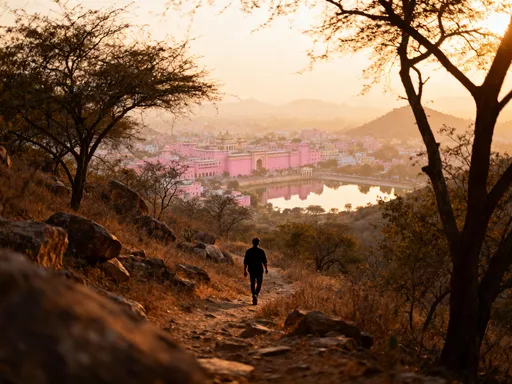
For visitors, the experience is both accessible and immersive. Entry is affordable, and no guide is required—just sturdy shoes and a sense of adventure. The best time to visit is early morning, between 6:00 and 9:00 a.m., when temperatures are mild and animals are most active. Several well-marked trails range from easy walks to moderate climbs, offering panoramic views of Jaipur below. As the sun rises over the pink rooftops, the city glows softly, a reminder that nature and urban life can coexist in harmony.
The Secret Beauty of Jal Mahal’s Surroundings
Jal Mahal, the iconic palace floating on Man Sagar Lake, is one of Jaipur’s most photographed landmarks. Yet most visitors never step beyond the viewing point on the causeway. They snap their pictures and move on, unaware that the real magic lies not in the structure itself, but in the living ecosystem surrounding it. The lake, though partially dry for much of the year, plays a vital role in the city’s ecological balance and hosts a seasonal transformation that few witness.
During winter months, Man Sagar Lake becomes a haven for migratory birds. Flocks of northern pintails, common pochards, cormorants, and egrets arrive from colder regions, turning the water into a dynamic avian stage. Early mornings are especially enchanting—fog lifts slowly, revealing birds gliding across the surface, their reflections shimmering in the still water. The sound of wings flapping and distant calls creates a peaceful rhythm, a stark contrast to the city’s usual noise.
Beyond birdwatching, the lake’s surroundings offer quiet walks along the embankment, where patches of wetland vegetation support frogs, dragonflies, and aquatic plants. These small habitats are crucial for maintaining biodiversity in an urban environment. Conservation efforts have been underway for years to restore the lake’s health, including dredging, afforestation, and strict regulations on pollution. While progress has been gradual, the improvements are visible in clearer water and increased bird populations.
Responsible tourism is essential here. Visitors are reminded not to litter, feed the birds, or disturb the natural setting. Simple actions—like staying on designated paths and keeping noise low—help preserve this delicate balance. For those willing to linger, Jal Mahal transforms from a photo opportunity into a moment of connection with nature. It becomes less about the palace and more about the stillness, the sky, and the quiet pulse of life in the water.
Monkey Mountain (Moti Dungari) and the Green Spine of the City
Locally known as Monkey Mountain, Moti Dungari is more than just a hilltop temple dedicated to Lord Ganesha. It is part of Jaipur’s natural backbone—a series of elevated outcrops that rise like gentle sentinels above the cityscape. While the temple draws devotees, the climb up the hill offers something equally valuable: a breath of fresh air, a sense of elevation, and a panoramic view that puts urban life into perspective.
The walking path to the summit is simple but evocative. As you ascend, the temperature drops slightly, and the wind carries the scent of wild grasses and stone. Langurs—often mistaken for monkeys—are commonly seen lounging on sun-warmed rocks or darting between trees. They are part of the hill’s ecosystem, not pests, and observing them in their natural habitat adds to the experience. The terrain is rocky and uneven, a reminder that this is not a manicured park but a living landscape.
From the top, Jaipur spreads out in all directions—a mosaic of rooftops, gardens, and distant hills. On clear days, the轮廓 of Nahargarh Fort is visible in the distance, linking one green zone to another. These hilltops, though modest in height, serve as vital green spaces that break the monotony of concrete and provide mental relief from urban density. For residents, a short climb offers not just a spiritual pause but a physical escape.
Moti Dungari exemplifies how small natural features can have a big impact on well-being. In a city that never stops moving, these elevated spots offer stillness. They are places where mothers bring children to play, elders come to meditate, and travelers find a moment of clarity. The blend of spiritual energy and natural serenity makes these hills unique—not grand, but deeply grounding.
Sisodia Rani Garden: Nature Crafted by Design
Unlike the wild beauty of the Aravalli trails, Sisodia Rani Garden is a testament to how human hands can enhance nature rather than dominate it. Built in the 18th century as a pleasure garden for Queen Sisodia, this Mughal-style retreat unfolds in symmetrical terraces, each layer revealing fountains, painted arches, and cascading flowers. Yet despite its formal design, the garden feels alive, organic, and deeply peaceful.
The layout mimics natural water flow, with channels guiding streams down gentle slopes, feeding lotus ponds and misting the air. Bougainvillea blooms in bursts of magenta and orange, while jasmine vines perfume the pathways in spring. After the monsoon, the garden becomes a lush haven, with greenery so thick it feels like stepping into another world. Benches placed under shaded pergolas invite visitors to sit, listen to the water, and simply be.
What sets Sisodia Rani apart is its harmony. Unlike modern parks that feel imposed on the land, this garden appears to grow from it. The use of local stone, native plants, and gravity-fed water systems reflects an ancient understanding of sustainability. Even today, the garden requires minimal artificial irrigation, relying instead on seasonal rains and smart design.
For families, it’s a perfect blend of beauty and comfort. Children run along the pathways, couples stroll hand in hand, and solo travelers find quiet corners to read or sketch. The garden is well-maintained but never sterile—birds nest in the trees, bees hover over flowers, and lizards dart across warm stones. It’s a reminder that beauty and nature can coexist when design respects the environment.
When Nature Wakes Up: Jaipur’s Monsoon Transformation
For most of the year, Jaipur wears a golden-brown coat—dusty, dry, and sunbaked. But when the monsoon arrives in July, everything changes. Rain clouds gather over the Aravallis, thunder rumbles through the hills, and within days, the city undergoes a quiet miracle. What was once parched and silent becomes vibrant and humming with life.
The transformation is most dramatic in the natural areas. Rocky hillsides turn emerald green as grasses and shrubs sprout from cracks in the stone. Seasonal streams, dry for months, begin to trickle and then flow. Pools form in natural depressions, attracting birds, insects, and small animals. The air carries a fresh, earthy scent—*petrichor*—that uplifts the spirit and cools the skin.
This brief greening lasts only a few weeks, but it’s enough to shift the entire mood of the city. Parks feel cooler, walks become more pleasant, and outdoor photography takes on a new dimension. Locations like Nahargarh, Amber Fort’s surroundings, and the edges of Man Sagar Lake are particularly stunning during this time. Even the city’s dust-covered trees seem to sigh with relief as their leaves unfurl in deep green.
The monsoon also brings a sensory awakening. The sound of rain on stone roofs, the sight of mist clinging to distant hills, the feel of cool breeze after a downpour—these are moments of pure presence. For visitors, timing a trip to coincide with the early monsoon (late June to mid-July) offers a rare view of Jaipur at its most alive. It’s not the most predictable season, but it’s one of the most rewarding for those who appreciate nature’s quiet revolutions.
Wandering with Purpose: How to Explore Jaipur’s Natural Side Responsibly
Discovering Jaipur’s natural gems requires more than a map—it demands mindfulness. The city’s ecological pockets are fragile, shaped by centuries of balance and now threatened by pollution, littering, and unchecked development. As travelers, we have a responsibility to protect these spaces, not just enjoy them. The good news is that responsible exploration is simple, accessible, and deeply fulfilling.
Start with slow travel. Instead of rushing from site to site, choose one natural area per day and spend time there. Walk the trails of Nahargarh at dawn, sit by Man Sagar Lake at sunrise, or linger in Sisodia Rani Garden after the midday heat passes. Early hours are not only cooler but quieter, allowing for deeper connection with the surroundings. Bring water in reusable bottles, carry a cloth bag for trash, and avoid plastic completely.
Respect wildlife by observing from a distance. Do not feed animals, even if others are doing it. Feeding disrupts natural diets and can lead to dependency or aggression. Stay on marked paths to prevent soil erosion and damage to native plants. If you’re taking photos, use zoom instead of approaching too closely. These small acts of care ensure that future visitors will also experience the same beauty.
Support local conservation efforts when possible. Some parks have adoption programs for trees or clean-up initiatives. Even sharing your experience on social media—with accurate, respectful captions—can raise awareness. Encourage others to see Jaipur not just as a cultural destination but as an ecological one.
Ultimately, exploring Jaipur’s natural side is about more than sightseeing. It’s about reconnecting—with the earth, with silence, with the rhythm of life that exists beyond cities. It’s about finding peace in a world that often feels too loud. And it’s about realizing that wonder doesn’t always come from grand monuments, but from the quiet moments when nature reminds us we belong to something larger.
So the next time you plan a trip to Jaipur, look beyond the pink walls. Step off the beaten path. Let the hills, lakes, and gardens speak to you. Wander not just to see, but to feel. Because sometimes, the most unforgettable journeys are the ones that lead us back to nature—and to ourselves.