What Hokkaido’s Wild Terrain Does to Its Food Will Blow Your Mind
You know how some places just feel different? Hokkaido isn’t just Japan’s northern frontier—it’s a land where snow-capped peaks, volcanic soil, and icy seas shape everything you eat. I never expected frozen ground could taste so rich. From creamy dairy to melt-in-your-mouth seafood, the island’s rugged landscape doesn’t just grow food—it transforms it. This is cuisine carved by nature itself. Every bite tells a story of altitude, temperature, and terrain, where the forces of geology and climate converge on the plate. In Hokkaido, food is not merely prepared; it is revealed by the land.
The Untamed Geography Behind Hokkaido’s Flavors
Hokkaido stands apart from the rest of Japan, not only in location but in essence. As the country’s northernmost island, it experiences long, frigid winters and short, cool summers—conditions that might seem inhospitable but are, in fact, ideal for cultivating deeply flavored ingredients. The island’s dramatic topography includes active volcanoes, rolling highlands, dense forests, and sweeping coastal plains, all contributing to a diverse and resilient food culture. Its volcanic origins have left behind mineral-rich soils, particularly in regions like the Daisetsuzan range and the Shikotsu-Tōya National Park, where ash deposits have enhanced soil fertility over centuries. These soils support nutrient-dense crops and lush pastures, forming the foundation of Hokkaido’s agricultural excellence.
The island’s abundant freshwater sources also play a crucial role. Glacial runoff from mountain peaks feeds underground aquifers and clear rivers, providing pristine water for irrigation and livestock. This purity directly influences the quality of dairy, vegetables, and even sake. Unlike Japan’s southern islands, where humidity can compromise storage and fermentation, Hokkaido’s cold, dry air slows spoilage and enhances preservation. This natural refrigeration has historically allowed communities to store root vegetables, ferment miso and soy sauce, and dry fish without artificial means—practices that remain integral to the regional cuisine today.
Moreover, Hokkaido’s latitude and elevation create unique microclimates. Higher altitudes yield slower-growing crops, which often develop more concentrated flavors due to extended maturation periods. For example, apples grown in the highlands of Furano are known for their crisp texture and balanced sweetness, a direct result of cool nights and sun-drenched days. Similarly, the island’s vast open spaces allow for large-scale farming that is rare elsewhere in Japan, where land is limited. This combination of natural advantages—cold climate, fertile soil, pure water, and expansive terrain—makes Hokkaido not just a breadbasket for Japan, but a laboratory of flavor shaped by the wild forces of nature.
Sapporo to Asahikawa: Urban Bites with Rural Roots
The cities of central Hokkaido, particularly Sapporo and Asahikawa, serve as vibrant culinary hubs where urban life meets rural abundance. These metropolitan centers draw directly from the surrounding countryside, transforming raw ingredients into beloved regional specialties. Nowhere is this more evident than in Sapporo’s famous miso ramen, a hearty noodle soup that emerged from the need for warming, energy-rich meals during long winters. Unlike the lighter soy-based broths found in Tokyo or the tonkotsu ramen of Kyushu, Sapporo’s version features a thick, nutty miso base, layered with butter, corn, and tender slices of local pork. Each element traces back to Hokkaido’s terrain: the miso is fermented in the cool air, the corn is sweetened by cold nights, and the pork comes from pigs raised on grain-fed farms in the interior plains.
Sapporo’s Nijo Market offers a sensory immersion into this farm-to-table reality. Open since the early 20th century, the market buzzes with vendors selling fresh seafood, mountain vegetables, and handmade snacks. Visitors can sample uni (sea urchin) so rich it melts on the tongue, or try grilled scallops still dripping with ocean essence. The proximity of the Sea of Japan and the Pacific Ocean means that both cold-water species and inland produce arrive within hours of harvest. Street food stalls, known as yatai, line the streets in winter, offering steaming bowls of soup curry and jingisukan—a grilled mutton dish named after Genghis Khan, cooked on dome-shaped grills that mimic the shape of a warrior’s helmet. These dishes are not just comfort food; they are edible expressions of Hokkaido’s climate and geography.
Asahikawa, located further inland, shares a similar culinary identity shaped by elevation and temperature. Its colder average temperatures make it ideal for slow fermentation, resulting in deeply flavored soy sauce and miso pastes that are aged for months in wooden barrels. The city hosts an annual ramen festival that draws competitors from across Japan, yet the local style remains distinct—thicker noodles, richer broth, and bold seasoning that stands up to the chill. Local bakeries, too, reflect the region’s abundance, using Hokkaido milk and butter to create flaky pastries and soft, eggy breads that have become national favorites. In these cities, every meal is a quiet celebration of the land just beyond the city limits, where nature’s rigor produces unmatched richness on the plate.
Hakodate and the Cold Sea’s Bounty
At the southern tip of Hokkaido, the port city of Hakodate thrives at the crossroads of two powerful ocean currents—the cold Oyashio from the north and the warm Kuroshio from the south. This convergence creates one of Japan’s most productive marine ecosystems, teeming with life and flavor. The cold waters slow the metabolism of sea creatures, allowing them to store more fat and develop sweeter, more delicate flesh. As a result, Hakodate is renowned for some of the country’s finest seafood, from plump Hokkaido scallops to buttery sea urchin and rich salmon roe.
The Hakodate Morning Market is the beating heart of this maritime abundance. Open since the 1880s, it draws locals and visitors alike to rows of stalls piled high with glistening fish, live crabs, and baskets of shellfish. One of the most popular experiences is eating uni or ikura (salmon eggs) straight from the shell, so fresh it tastes like the ocean distilled into flavor. Fishermen unload their catch at dawn, ensuring that what reaches the market is often less than a day out of the water. This immediacy is critical—delicate species like hokkigai (surf clam) and atka mackerel lose their quality quickly, making Hokkaido’s short supply chain a key to its culinary superiority.
Beyond raw consumption, Hakodate’s chefs excel in techniques that highlight the purity of the ingredients. Kaisendon, a rice bowl topped with a rainbow of sashimi, is a staple, allowing each fish to shine without distraction. Grilled squid, lightly salted and served with lemon, showcases the natural sweetness of the meat. Even preserved seafood—such as dried squid or fermented herring—retains a depth of flavor that speaks to the quality of the original catch. The city’s coastal geography, with its deep bays and sheltered inlets, also supports aquaculture, where scallops and oysters are cultivated on suspended lines, filtering clean, mineral-rich water. In Hakodate, the sea is not just a source of food; it is a partner in flavor, its cold currents quietly shaping every dish served.
Dairy Dreams in the Pastures of Tokachi
If there is one region that embodies Hokkaido’s agricultural magic, it is Tokachi, a vast expanse of open farmland in the southeastern part of the island. Known as Japan’s dairy capital, Tokachi produces milk with some of the highest butterfat content in the country—often exceeding 4%. This richness is no accident; it is the result of ideal growing conditions. Volcanic soil, enriched by centuries of ash deposits, supports dense, protein-rich grasses that cows graze on year-round. Clean groundwater, filtered through layers of volcanic rock, ensures hydration free of contaminants. The cool climate slows grass growth, increasing sugar concentration and nutritional value, which in turn enhances milk quality.
Visitors to Tokachi can tour working farms where transparent practices and sustainable methods are the norm. Many farms offer soft-serve ice cream made from fresh milk, a simple treat that astonishes first-time tasters with its creamy, almost custard-like texture. Local dairies produce award-winning cheeses, including aged Gouda, Camembert, and blue varieties that rival European counterparts. These products have gained national recognition, appearing in high-end restaurants and department store food halls across Japan. Beyond cheese, Tokachi’s butter is prized for its golden hue and deep flavor, making it a favorite among bakers and pastry chefs.
The region also hosts the annual Tokachi Millennium Forest Food Festival, where chefs create dishes using only local ingredients—milk, potatoes, wheat, and honey—demonstrating the versatility of the land’s output. Even everyday items like milk bread and custard puddings achieve a level of indulgence rarely found elsewhere. In Tokachi, the connection between soil, grass, and final product is visible and tangible. This is not industrial farming; it is agriculture in harmony with nature, where the terrain itself is the most important ingredient in every drop of milk and slice of cheese.
Farming the Edge: Potatoes, Corn, and Cold-Weather Crops
Hokkaido’s dominance in crop production is most evident in its potatoes—over 80% of Japan’s supply comes from the island. The key to this success lies in the combination of cool summer temperatures and well-drained, loamy soil, which prevents rot and encourages uniform tuber development. Varieties like the Danshaku potato are prized for their fluffy texture and natural sweetness, making them ideal for mashing, frying, and baking. Local chefs use them in innovative ways, from creamy croquettes to delicate potato ravioli, showcasing their culinary flexibility.
Corn is another star of Hokkaido’s fields. Grown under long daylight hours and cooled by night breezes, the kernels develop high sugar content, giving them a juiciness and sweetness that distinguish them from other regions. It is common to see grilled corn on the cob sold at roadside stands, brushed with butter and sprinkled with salt—a simple preparation that highlights its natural quality. Corn also appears in soups, rice dishes, and even desserts, such as corn pudding and ice cream. The timing of the harvest is carefully aligned with temperature shifts, ensuring peak ripeness before the first autumn frosts.
Other cold-adapted crops thrive here as well. Pumpkins, beans, and onions grow larger and sweeter due to the extended growing season and temperature differentials between day and night. Wasabi, typically associated with milder climates, is also cultivated in Hokkaido using spring-fed streams that maintain a constant cool temperature. Farmers employ crop rotation and organic practices to preserve soil health, recognizing that the land’s fertility is not infinite. In this way, Hokkaido’s agriculture is not just productive but sustainable, with generations of knowledge guiding modern techniques. The result is a bounty that is both abundant and deeply flavorful, a testament to the island’s unique ability to grow food at the edge of what is possible.
Onsen Towns and Mountain Kitchens: Food at Altitude
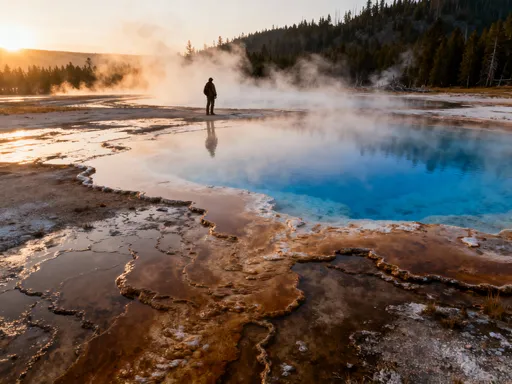
In the volcanic highlands of Hokkaido, hot spring towns like Noboribetsu and Jozankei offer more than relaxation—they provide a unique culinary experience powered by geothermal energy. These areas sit atop active fault lines, where underground heat brings water to the surface at temperatures exceeding 50°C (122°F). While the onsens (hot springs) are famous for their therapeutic baths, the same heat is used to cook food in traditional ways. The most iconic example is onsen tamago—eggs slow-cooked in hot spring water until the whites are tender and the yolks remain creamy. The gentle, consistent heat produces a texture impossible to replicate with stovetop methods.
Local restaurants in these towns often feature steam-cooked dishes, where baskets of vegetables, fish, and dumplings are placed over natural vents or heated pools. This method preserves nutrients and enhances natural flavors without added fats or oils. In Noboribetsu, a specialty known as jiga dengaku features grilled miso-marinated salmon, its smoky depth intensified by the mineral-rich environment. Some inns even offer kaiseki meals that incorporate onsen-cooked elements, blending tradition with seasonal ingredients.
The influence of altitude and temperature extends beyond cooking methods. High elevations mean cooler air, which affects fermentation and storage. Miso and pickles aged in mountain inns develop deeper, more complex flavors over time. Even the act of dining becomes part of the experience—sitting in a wooden ryokan, looking out over snow-covered forests, sipping miso soup made with local ingredients, one feels the harmony between environment and cuisine. In these mountain kitchens, food is not separated from nature; it is an extension of it, shaped by the very forces that shape the landscape.
Seasonal Rhythms: How Winter Defines the Plate
In Hokkaido, winter is not a season to endure—it is a season to celebrate. With snowfall often exceeding two meters and temperatures dropping below freezing for months, life slows, and food becomes central to survival and community. This harsh reality has given rise to a rich tradition of preservation and seasonal feasting. Fermentation, pickling, and drying are not just practical methods; they are art forms refined over generations. Miso, soy sauce, and tsukemono (pickled vegetables) are aged through the winter, their flavors deepening with time. Root vegetables like daikon and taro are stored in underground cellars, emerging months later with concentrated sweetness.
The Sapporo Snow Festival, held every February, is a dazzling example of how food and winter culture intertwine. Enormous ice sculptures light up the city, but the real magic happens at the food stalls, where visitors warm themselves with bowls of soup curry, grilled meats, and steaming cups of hot cocoa made with Hokkaido milk. Local specialties like ishikari nabe—a salmon and vegetable hot pot simmered in miso broth—are served communally, fostering connection in the cold. These dishes are designed to nourish, warm, and sustain, using ingredients stored or harvested before the snow fell.
Winter also dictates the rhythm of farming. While fields lie dormant, farmers plan the next season, repair equipment, and tend to livestock. Dairy production continues year-round, providing a steady source of income and nutrition. The quiet of winter allows for reflection and tradition, with families gathering to make handmade noodles, ferment soybeans, or prepare preserved fish for spring. In this way, the season is not a pause but a preparation—a time when the land rests, and the people honor its cycles through food. Every preserved jar, every fermented paste, is a promise of renewal, a reminder that even in the deepest cold, life and flavor endure.
Conclusion: Where Land and Plate Become One
Hokkaido’s cuisine is not simply a collection of dishes; it is a dialogue between people and place, shaped by volcanic soil, glacial waters, and biting winds. Every ingredient—from the creamiest butter to the sweetest corn—bears the imprint of the island’s wild terrain. There is no separation between landscape and larder; they are one and the same. This is food that does not mask its origins but proudly reveals them, inviting those who eat it to taste the altitude, feel the cold, and understand the patience required to grow flavor in such a demanding environment.
What makes Hokkaido truly special is not just the quality of its food, but the authenticity of its connection to nature. In an age of industrialization and artificial flavor, the island stands as a reminder that the best things often come from the slow, steady work of the earth. Its farmers, fishermen, and chefs do not fight the climate—they collaborate with it, turning limitation into luxury. Sustainability is not a marketing term here; it is a way of life, passed down through generations who understand that the land gives only as much as it is respected.
For the traveler, a visit to Hokkaido is more than a culinary adventure—it is an education in terroir, a lesson in how geography shapes culture in the most delicious ways. To eat in Hokkaido is to participate in a story written by volcanoes, glaciers, and ocean currents, a story that continues with every harvest, every meal, every shared bowl of ramen. In this northern frontier, food is not just sustenance. It is the voice of the land, speaking clearly, deeply, and without pretense. And once you’ve heard it, you’ll never taste anything the same way again.