You Won’t Believe These Hidden Markets in Jaipur
Jaipur isn’t just about palaces and forts—its real magic hides in the bustling commercial corners most tourists miss. I wandered far beyond the usual lanes and discovered markets alive with color, scent, and sound. From hand-blocked textiles to spice stalls that ignite your senses, these spaces offer an authentic pulse of local life. This is commerce with soul, where every purchase tells a story. Let me take you where guidebooks don’t.
The Pulse of Pink City Commerce
Jaipur, known as the Pink City for its rose-hued sandstone buildings, carries a legacy of royal vision and economic foresight. Founded in 1727 by Maharaja Sawai Jai Singh II, the city was designed not only for grandeur but also for functionality—its wide avenues and grid layout were intended to facilitate trade and movement. This historical emphasis on commerce remains evident today in the rhythm of its markets, where centuries-old crafts thrive alongside modern enterprise. The markets are not merely places to shop; they are living institutions that reflect the city’s cultural identity, social dynamics, and economic resilience.
What sets Jaipur’s markets apart is their dual role as both economic engines and cultural keepers. They serve as gathering points for artisans, traders, and families, preserving traditions that might otherwise fade in the face of globalization. Here, you’ll find generations of craftsmen shaping bangles, carving wood, and printing fabric using techniques passed down through decades. These spaces are infused with stories—of hands that have shaped lacquer for 50 years, of families that have run the same spice stall since independence, of women who learned embroidery from their grandmothers. The market is a classroom, a workshop, and a community hall all at once.
For visitors, understanding this deeper function transforms a simple shopping trip into a meaningful cultural exchange. It’s not just about acquiring souvenirs; it’s about recognizing the labor, heritage, and pride behind each item. The market’s energy—children weaving between stalls, vendors calling out prices, the clink of metalwork in the distance—offers a sensory immersion into everyday Rajasthani life. To walk through these lanes is to witness the continuity of tradition in motion, where commerce is not cold transaction but warm human connection.
Johari Bazaar: Where Craft Meets Crowds
No visit to Jaipur is complete without stepping into Johari Bazaar, one of India’s oldest and most renowned jewelry markets. Nestled near the bustling intersection of MI Road and the City Palace, this market pulses with the sparkle of gemstones and the gleam of gold. Its name, derived from the Hindi word “johar” meaning jewels, speaks directly to its identity as a hub of fine craftsmanship and opulent design. Here, storefronts display intricate necklaces, kundan sets, and polki earrings that reflect centuries of Mughal and Rajput influence, blending artistry with royal taste.
The bazaar is a feast for the eyes. Glass cases brim with emeralds, rubies, and uncut diamonds, while artisans work behind counters, delicately setting stones into silver and gold. The air hums with negotiation—tourists and locals alike haggle with practiced ease, testing their skills against seasoned shopkeepers. Yet beneath the glitter lies a living craft tradition. Many of the jewelers are members of families who have worked in this trade for generations, passing down techniques such as meenakari (enameling) and jali (filigree) from father to son. These are not mass-produced trinkets but handcrafted heirlooms in the making.
While Johari Bazaar is undeniably tourist-heavy, it remains a legitimate place to find high-quality pieces—if you know how to navigate it. The key is patience and observation. Begin by walking the full stretch of the market to compare prices and craftsmanship. Look for shops with visible workshops in the back, where artisans are actively working; this often indicates authenticity. Avoid pushy vendors who follow you into the street, and instead engage with those who allow you to browse without pressure. Bargaining is expected, but it should be respectful—a dance of mutual understanding rather than a battle of wills.
For those seeking more than just adornment, Johari Bazaar offers a window into the values of Rajasthani aesthetics—rich colors, symbolic motifs, and meticulous detail. A single piece of jewelry might incorporate motifs of peacocks, lotuses, or elephants, each carrying cultural meaning. By choosing to buy from a reputable artisan, you’re not only acquiring beauty but also supporting a craft that defines Jaipur’s soul. The experience becomes more than shopping; it becomes a tribute to enduring artistry.
Tripolia Bazaar: The Gateway to Hidden Crafts
Just a short walk from Johari Bazaar lies Tripolia Bazaar, a lesser-known but equally vibrant market that specializes in traditional Rajasthani crafts. Unlike its more famous neighbor, Tripolia retains a local, unpolished charm, with narrow lanes crowded with stacks of brassware, wooden toys, and, most famously, lac bangles. The name “Tripolia” comes from the three arched gateways that once marked its entrance, and today, passing through its alleys feels like stepping into a different era—one where craftsmanship is still the heartbeat of commerce.
The bazaar is particularly renowned for its lacquer bangles, handcrafted by artisans who heat and shape colored resin over molds, then decorate them with mirror inlay, beads, and intricate patterns. Watching a craftsman at work is a mesmerizing experience: the deft twist of the wrist, the careful application of gold foil, the final polish that brings the bangle to life. These bangles are more than accessories; they are symbols of celebration, often worn during weddings and festivals. For visitors, purchasing a pair is not just a souvenir but a connection to Rajasthani rituals and identity.
Beyond bangles, Tripolia Bazaar offers a wealth of household items—brass thalis (plates), engraved tumblers, and ornate candle stands—that reflect the region’s love for functional art. The sensory experience here is rich: the earthy smell of lac, the metallic clink of stacked utensils, the vibrant swirls of color in every display. Because this market caters more to locals than tourists, prices are often more reasonable, and bargaining is part of the rhythm of daily trade. A polite but firm negotiation is expected, and a smile goes a long way in closing a good deal.
To spot authentic handmade pieces, look for slight imperfections—uneven edges, subtle color variations, or hand-carved details. These are signs of human touch, not flaws. Avoid stalls selling bangles that look too uniform or glossy, as they may be machine-made. For a deeper experience, ask if you can visit a nearby workshop. Some artisans welcome visitors, offering a rare glimpse into the full process, from raw materials to finished product. This kind of engagement transforms a simple purchase into a meaningful encounter with culture and craft.
Sireh Deori Bazaar: Textile Treasure Hunt
Nestled just outside the gates of the City Palace, near the iconic Hawa Mahal, Sireh Deori Bazaar is a haven for lovers of hand-printed textiles. This compact but vibrant market specializes in block-printed fabrics—cotton, silk, and dupattas dyed with natural pigments and stamped with wooden blocks carved in intricate patterns. The name “Sireh Deori” means “cypress gate,” a poetic nod to the area’s historical significance as a royal entrance, and today, it remains a gateway to one of Jaipur’s most treasured art forms.
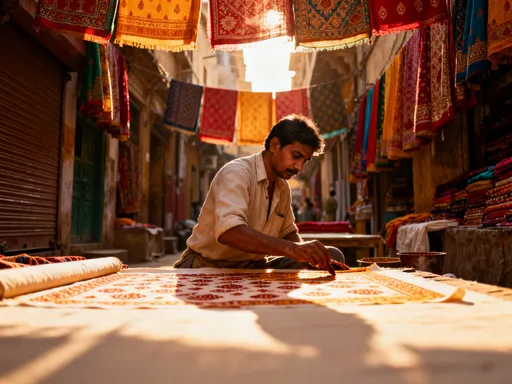
The heart of this craft lies in the process. Artisans begin with hand-carved wooden blocks, each designed with motifs like florals, paisleys, or geometric shapes. The fabric is stretched on a long table, and the printer dips the block into dye—often derived from plants like indigo, pomegranate, or madder root—then stamps it with precise pressure. The repetition creates seamless patterns that flow across the cloth like poetry. This method, known as *dabu* or *bagru* printing depending on the technique and region, has been practiced in Rajasthan for over 500 years, passed down through family lineages.
Walking through Sireh Deori, you’ll see workshops spilling onto the street, where printers work under shaded awnings, their hands moving with rhythmic precision. Some shops display rolls of fabric in every color imaginable—deep maroons, saffron yellows, cool indigos—each telling a story of seasonal dyes and regional styles. For visitors, choosing a piece can be overwhelming, but a few guidelines help ensure quality. Look for even stamping, clear outlines, and consistent color. Natural dyes will have a softer, more organic look than synthetic ones, and the fabric should feel substantial, not flimsy.
Supporting ethical vendors means choosing shops that pay fair wages to artisans and use sustainable practices. Some stores proudly display certifications or partner with cooperatives that uplift women weavers and printers. Buying from them ensures your purchase contributes to the preservation of the craft rather than its exploitation. Whether you choose a scarf, a bedspread, or a length of fabric to tailor later, you’re carrying home more than cloth—you’re carrying a piece of living heritage, a tradition that continues to breathe in the hands of those who print it.
Ghat Gate Market: Local Life Beyond Tourism
For a true taste of daily Jaipur, few places rival Ghat Gate Market, a lively, unfiltered hub that serves the city’s residents rather than its visitors. Located near the historic gates that once controlled access to the old city, this market thrives from dawn until dusk, offering everything from fresh produce to household essentials. It’s a place where the rhythms of local life unfold in full color and sound—vendors shout prices, carts rattle over cobblestones, and the scent of cumin, turmeric, and coriander fills the air.
The spice stalls are the soul of Ghat Gate. Rows of cloth-covered baskets overflow with vibrant powders, whole spices, and dried herbs. Turmeric glows like sunshine, red chili flakes look like crushed rubies, and mustard seeds clatter like tiny beads. Shopkeepers often let you smell or touch the spices, proud of their freshness and potency. This is where Jaipur’s famed cuisine begins—where mothers buy masalas for evening curries, and grandmothers select ingredients for traditional remedies. For visitors, it’s a chance to witness the foundation of Rajasthani flavor, built on boldness, warmth, and balance.
Beyond spices, the market offers street food that locals swear by—steaming kachoris, pyaz kachalis, and fresh lassi served in clay cups. Eating here is an adventure, but a respectful one. Observe hygiene practices—look for stalls with high turnover and clean utensils—and always ask before photographing people or food. This is not a performance for tourists; it’s real life. A smile and a polite “namaste” go a long way in building goodwill.
Ghat Gate also sells everyday items—brooms, baskets, brass pots, and school supplies—reminding visitors that markets are not just for souvenirs but for survival. To explore here is to step outside the tourist bubble and into the heartbeat of the city. It’s not always comfortable—lanes are narrow, crowds are thick, and English is rarely spoken—but that’s part of its authenticity. By visiting with humility and curiosity, you honor the community that makes this place thrive.
Best Times, Transport, and Navigation Tips
To fully enjoy Jaipur’s markets without overwhelm, timing and planning are essential. The best hours to visit are early morning, between 9 a.m. and 11 a.m., when the air is cooler, crowds are thinner, and vendors are most alert. Afternoon heat can make walking uncomfortable, especially in July and August, so aim to return to your hotel during peak sun. Weekdays are generally less crowded than weekends, when local families come to shop and socialize.
Getting around is easiest by auto-rickshaw, the iconic three-wheeled vehicles that weave through Jaipur’s lanes with surprising agility. Always agree on a fare before starting your ride, or insist on using the meter if available. For shorter distances—such as from Hawa Mahal to Sireh Deori or Johari Bazaar—walking is not only feasible but rewarding, allowing you to notice details you’d miss otherwise. Wear comfortable shoes, carry a small bag for purchases, and keep water handy.
Navigation can be challenging in the old city’s winding alleys, where street signs are sparse. Use your phone’s GPS, but download offline maps in advance, as signal can be spotty. Google Maps works well for major landmarks, but for deeper exploration, consider asking shopkeepers for directions—they’re often happy to help. Carry a printed list of market names in Hindi if language is a barrier, and learn a few key phrases: “Kitna hoga?” (How much?), “Dekh raha hoon” (I’m just looking), and “Shukriya” (Thank you).
When it comes to payments, cash is still king in most markets, especially smaller stalls. Carry small denominations of rupees for ease of bargaining and tipping. While some larger shops accept cards or digital payments like Paytm, don’t rely on them. Keep your wallet secure in a front pocket or crossbody bag to avoid pickpockets in crowded areas. And remember: bargaining is expected, but it should be friendly, not aggressive. Start by offering 50–60% of the quoted price and meet somewhere in the middle. A good-natured laugh can smooth any negotiation.
Why These Markets Matter—And How to Visit Right
Beneath their vibrant surfaces, Jaipur’s markets are more than shopping destinations—they are guardians of culture, livelihoods, and identity. Each bangle, textile, and spice blend represents generations of knowledge, passed down through families who have dedicated their lives to preserving craft in an age of mass production. Yet these traditions face pressure from cheap imitations, tourism-driven pricing, and the lure of modern jobs that pull younger generations away from artisanal work.
This is why mindful tourism matters. When you choose to buy from a handcraftsperson rather than a souvenir chain, you’re voting for sustainability, dignity, and continuity. You’re saying that slow, thoughtful creation has value. Paying a fair price—neither too high out of guilt nor too low out of greed—ensures that artisans can continue their work with pride. Asking questions, showing interest, and treating vendors as partners in cultural exchange fosters mutual respect.
Responsible exploration also means moving with awareness. Dress modestly, speak politely, and photograph people only with permission. Avoid treating markets as photo backdrops; they are workplaces and community spaces. Carry reusable bags to reduce plastic, and support vendors who use eco-friendly dyes and packaging. These small choices add up to meaningful impact.
Jaipur’s true beauty lies not just in its monuments but in the pulse of its streets, the hands that shape its crafts, and the voices that call out in the morning light. To visit its hidden markets is to see the city as it truly lives—not as a postcard, but as a living, breathing tradition. So go beyond the palaces. Step into the alleys. Listen, learn, and leave with more than you came for. Let your journey be one of depth, not distance. Because the soul of Jaipur isn’t in its stone—it’s in its people.