Lost in the Wild Beauty of Bamako’s Hidden Nature
Nestled along the Niger River, Bamako, Mali, is more than a capital—it’s a gateway to raw, untouched nature. Beyond the bustling markets and city rhythms, few travelers discover its secret waterfalls, sun-drenched cliffs, and quiet reserves. I ventured off the tourist trail and found landscapes so vivid they felt surreal. This is not just travel; it’s revelation. While many associate Mali with vast deserts and ancient Timbuktu, southern Mali reveals a different story—one of flowing rivers, green highlands, and biodiversity thriving under the West African sun. Bamako, often overlooked as merely a transit point, quietly cradles some of the region’s most breathtaking natural wonders, accessible yet profoundly serene. Here, nature does not compete with the city—it complements it, offering moments of stillness, clarity, and deep connection to the earth.
Why Bamako? Redefining West Africa’s Undiscovered Gem
Bamako is frequently dismissed as a chaotic urban center, a place to pass through rather than pause in. Yet beneath its surface hums a quieter, wilder rhythm shaped by the Niger River and the surrounding savannah. Unlike the arid north, southern Mali benefits from a more temperate climate and seasonal rainfall, nurturing a surprising variety of plant and animal life. The city itself sits in a fertile valley, where baobab trees rise like ancient sentinels and acacia groves dot the hillsides. This is a region where nature has not been tamed, but rather, where it coexists with human life in a delicate balance.
One of the most persistent misconceptions about Mali is that it is uniformly desert. In truth, only the northern third of the country falls within the Sahara’s reach. The south, where Bamako lies, enjoys a tropical savannah climate with distinct wet and dry seasons. During the rainy months from June to September, the landscape transforms into a lush green tapestry, rivers swell, and migratory birds return to feed and nest. This seasonal shift brings a dynamic beauty that few visitors anticipate. The Niger River, one of Africa’s great waterways, flows steadily through Bamako, supporting agriculture, wildlife, and local livelihoods. Its presence ensures that even in the dry season, pockets of green persist, creating oases in an otherwise sun-baked terrain.
What makes Bamako so rewarding for off-the-beaten-path travelers is its authenticity. Unlike more commercialized destinations in West Africa, there are no mass tourist developments, no overcrowded trails, and no souvenir stalls on every corner. What you find instead are genuine encounters—fishermen mending nets at dawn, children laughing as they leap into cool river pools, elders sharing stories under shade trees. The lack of infrastructure in many natural areas means exploration requires effort and local guidance, but that effort is repaid with solitude and unfiltered beauty. This is travel stripped of artifice, where every moment feels earned and real.
The Niger River, central to Bamako’s geography, also defines its ecological richness. It serves as a lifeline, attracting diverse species and enabling the growth of riparian forests and wetlands. Along its banks, one can spot kingfishers diving for fish, monitor lizards basking on rocks, and even the occasional crocodile in more remote stretches. The river’s influence extends beyond wildlife; it shapes the agricultural calendar, supports small-scale fishing, and inspires local traditions. For the mindful traveler, understanding the river’s role is key to appreciating the deeper rhythms of life in Bamako.
Bangr Weir and the Sotuba Rapids: Where the City Meets Wild Water
Just a short distance from central Bamako lies Bangr Weir, a natural formation where the Niger River narrows and cascades over rocky ledges, creating a series of calm pools and gentle rapids. Known locally as Sotuba Rapids, this spot is a beloved retreat for residents seeking relief from the heat and the pace of urban life. Here, the river’s energy is palpable—the rush of water over stone, the cool mist rising in the morning light, the deep green pools perfect for swimming. It is a place where city dwellers reconnect with nature without needing to travel far.
The atmosphere at Bangr Weir is both lively and peaceful. On weekends, families gather under the shade of acacia trees, spreading out mats for picnics while children splash in the shallows. Men cast fishing lines from flat rocks, their patience rewarded with tilapia and catfish. Above, white egrets and black herons stalk the shallows, their movements slow and deliberate. The air carries the scent of damp earth and river grass, mingling with the occasional aroma of grilled fish from a nearby vendor. This is not a curated tourist attraction but a living, breathing part of local life—a place where nature and community intertwine.
What makes Bangr Weir special is its accessibility. Located within a 30-minute drive from downtown Bamako, it offers an instant escape into nature. Visitors can walk along the rocky banks, follow small trails to quieter pools, or simply sit and listen to the river’s rhythm. The contrast between the city’s noise and the river’s calm is striking. Yet, despite its proximity to urban life, the site retains a sense of wildness. The water flows freely, unimpeded by dams or concrete channels, and the surrounding vegetation remains largely untouched. This balance between accessibility and authenticity is rare, making Bangr Weir a gem for both locals and mindful travelers.
For those planning a visit, timing is essential. The best months to experience the rapids are during the dry season, from November to May, when water levels are stable and the weather is cooler. Early mornings are ideal—fewer crowds, softer light, and a chance to witness the river at its most tranquil. Safety should also be considered. While the pools are generally safe for swimming, currents can be strong near the rapids, so caution is advised, especially with children. There are no formal facilities, so visitors should bring water, snacks, and sun protection. Respecting the environment is crucial—leaving no litter and avoiding loud disturbances ensures the site remains a sanctuary for all.
Mount Nimba’s Foothills: A Hiker’s Secret Just Beyond the Border
For the adventurous traveler, the foothills of Mount Nimba offer one of West Africa’s most extraordinary hiking experiences. Though the summit of Mount Nimba lies in Guinea, the Malian border region includes lesser-known trails that lead into misty highlands rich with biodiversity. Part of a UNESCO World Heritage site, this mountain range is renowned for its unique ecosystems, including montane forests, grasslands, and rare mineral-rich soils that support endemic species. While most visitors to the region focus on the Guinean side, the Malian approaches remain largely unexplored, offering solitude and pristine landscapes.
The terrain here is dramatic and ever-changing. Trails wind through dense forests where orchids cling to tree trunks and giant ferns unfurl in the damp air. As elevation increases, the canopy opens to reveal sweeping views of rolling hills and deep valleys cloaked in morning fog. Birdlife is abundant—hornbills call from the treetops, sunbirds dart between flowers, and raptors circle above. The air grows cooler, carrying the scent of moss and wet stone. Hikers may spot duikers, small forest antelopes, or even the elusive chimpanzee in remote areas. Each step forward feels like a journey into a forgotten world, where nature reigns undisturbed.
What sets these trails apart is their lack of infrastructure. There are no marked paths, visitor centers, or guided tours operated by international companies. This absence of development means the experience is raw and authentic, but it also demands preparation. Travelers should hire local guides from nearby villages, not only for navigation but also to support community-based tourism. These guides possess intimate knowledge of the land—safe routes, water sources, and seasonal changes. They also understand the cultural significance of certain areas, ensuring visitors show proper respect.
Essential preparations include sturdy footwear, rain gear, sufficient food and water, and a basic first-aid kit. The trails can be slippery, especially after rain, and mobile connectivity is nonexistent. Visitors should also be aware of conservation regulations—Mount Nimba is a protected area due to its ecological sensitivity. Collecting plants, disturbing wildlife, or leaving waste is strictly prohibited. By following these guidelines, travelers contribute to the preservation of this fragile environment while enjoying one of the most rewarding hikes in West Africa.
Koulouninka Faunal Reserve: Nature’s Sanctuary in the Savannah
Southwest of Bamako, quietly nestled in the savannah, lies the Koulouninka Faunal Reserve—a protected area that offers a rare glimpse into Mali’s wild heart. Unlike the more famous parks of East or Southern Africa, Koulouninka sees few international visitors. There are no luxury lodges, no safari jeeps with rooftop cameras, and no crowds at sunrise. What it offers instead is authenticity: open grasslands dotted with thorny shrubs, scattered woodlands, and seasonal wetlands that draw birds and mammals alike. It is a place where silence is broken only by the wind, the call of a distant hornbill, or the rustle of grass as a warthog moves through the brush.
The reserve is home to a variety of wildlife, including several species of antelope such as the kob and the harnessed bushbuck. Monkeys—particularly the green vervet—leap between branches, their movements quick and playful. Over 200 bird species have been recorded here, from ground hornbills and secretary birds to migratory raptors that arrive with the changing seasons. While large predators are no longer present, the ecosystem remains balanced, with smaller carnivores like servals and genets maintaining their roles. The best time to visit is during the dry season, when animals gather near remaining water sources, making sightings more likely.
A day in Koulouninka can be spent walking or driving along unpaved tracks, stopping frequently to observe and listen. The golden light of late afternoon casts long shadows across the plains, enhancing the sense of timelessness. Unlike commercial game parks, there is no pressure to move from one sighting to the next. Visitors can sit quietly, watch a herd of antelope graze, or simply absorb the vastness of the landscape. This unhurried pace allows for a deeper connection with nature—one that is meditative rather than performative.
Conservation is central to Koulouninka’s mission. Managed by local authorities with support from environmental organizations, the reserve focuses on habitat protection, anti-poaching efforts, and community engagement. Visitors are encouraged to follow strict ethical guidelines: staying on designated paths, maintaining a safe distance from animals, and avoiding loud noises. Entrance fees are minimal, with proceeds going directly to conservation and local employment. By choosing to visit responsibly, travelers support a model of tourism that benefits both nature and people.
The Bamako Escarpment: Sunset Views That Steal Your Breath
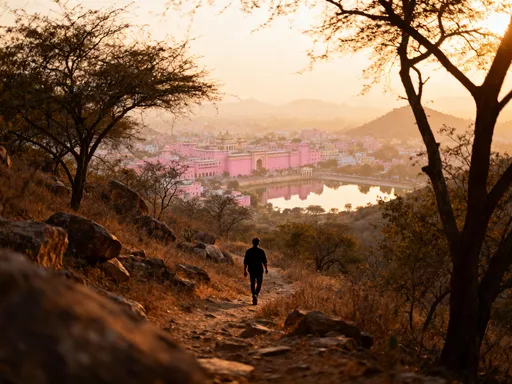
Rising west of the city, the laterite cliffs of the Bamako Escarpment offer one of the most breathtaking vantage points in the region. These ancient rock formations, shaped by millennia of erosion, provide panoramic views of the surrounding savannah and the Niger River winding through the valley below. As the sun begins its descent, the landscape transforms—the red earth glows like embers, the sky fills with hues of amber and rose, and the air cools with the promise of evening. It is a moment of pure magic, where time seems to pause and the soul finds stillness.
Reaching the escarpment requires a short drive followed by a moderate climb, but the effort is rewarded with unobstructed views. Some spots are accessible via informal trails used by local shepherds, while others are best reached with a guide familiar with the terrain. Safety is important—rocky surfaces can be unstable, and there are no railings or warning signs. Travelers should wear sturdy shoes, carry water, and avoid visiting during the midday heat. The best time is late afternoon, when the light is soft and the temperature pleasant.
What makes this experience so powerful is its contrast. From the top of the escarpment, one can see both the natural beauty of the wilderness and the distant outlines of Bamako’s skyline. It is a reminder that urban and natural worlds need not be in conflict—that they can coexist, each enriching the other. For travelers, this vantage point offers more than a photo opportunity; it invites reflection. In the silence of the cliffs, away from the city’s noise, it becomes possible to listen—to the wind, to one’s thoughts, to the quiet wisdom of the land.
Some visitors choose to spend the evening here, bringing a light blanket and tea to enjoy as the stars emerge. The night sky over Bamako, free from excessive light pollution, reveals constellations with striking clarity. This combination of natural beauty and solitude makes the escarpment a deeply moving destination—one that stays with travelers long after they return to the city.
Local Wisdom: Learning Nature from Malian Communities
Beyond landscapes and wildlife, the true depth of Bamako’s natural heritage lies in the knowledge of its people. In villages surrounding the city, generations have lived in harmony with the land, guided by seasonal rhythms, traditional farming methods, and deep respect for natural resources. Farmers understand when to plant millet and sorghum based on bird migrations and wind patterns. Herbalists know which plants heal fevers, soothe wounds, or calm the mind. Elders speak of water cycles, droughts, and the importance of preserving forests for future generations.
For the thoughtful traveler, engaging with these communities is one of the most enriching aspects of visiting Bamako. Homestays, farm visits, and cultural exchanges offer windows into sustainable living. A morning spent helping harvest vegetables, learning to grind grain, or walking with a herder tending goats provides insight into a way of life that values balance and resilience. These experiences are not performances for tourists but genuine moments of shared life.
Respect is essential. Visitors should approach with humility, ask permission before taking photographs, and follow local customs. Many communities welcome guests who show genuine interest and kindness. Supporting local economies—by purchasing handmade crafts, eating at family-run eateries, or hiring local guides—ensures that tourism benefits those who steward the land. This kind of travel fosters mutual understanding and strengthens the connection between people and place.
By listening and learning, travelers gain more than knowledge—they gain perspective. The wisdom of Malian communities reminds us that nature is not something to conquer or consume, but to honor and protect. In a world increasingly disconnected from the earth, these lessons are more valuable than ever.
Traveling Responsibly: Protecting Bamako’s Fragile Natural Wonders
As interest in off-the-beaten-path destinations grows, so does the responsibility to protect them. Bamako’s natural sites—though resilient—are fragile. Increased foot traffic, improper waste disposal, and disregard for wildlife can erode the very qualities that make these places special. Sustainable travel is not a trend; it is a necessity. Every visitor has a role to play in preserving these landscapes for future generations.
Practical steps begin with simple choices. Carrying reusable water bottles reduces plastic waste, especially in areas without recycling. Packing out all trash—no matter how small—ensures that nature remains undisturbed. Conserving water, even during short visits, respects the scarcity many communities face. Avoiding loud noises, chasing animals, or picking plants helps maintain ecological balance. Travelers should also support local guides and community-run initiatives, ensuring that economic benefits stay within the region.
Education is equally important. Sharing responsible practices with fellow travelers, posting ethically on social media, and advocating for conservation can amplify impact. A single photo with a caption about leaving no trace can inspire others to do the same. Tourism, when done mindfully, becomes a force for good—funding protection efforts, creating jobs, and fostering global appreciation for Mali’s hidden treasures.
The wild beauty of Bamako is not a backdrop for adventure; it is a living, breathing world that deserves care and reverence. To explore here is a privilege. By treading lightly, listening deeply, and acting with integrity, travelers can ensure that these landscapes remain vibrant, untouched, and full of wonder for decades to come. In the end, the greatest journey is not just across miles, but within—the transformation that occurs when we truly see, respect, and protect the natural world.