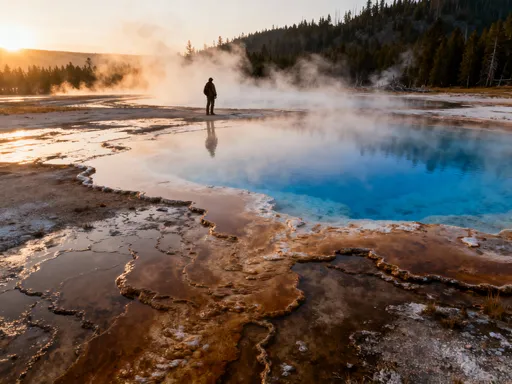
You Won’t Believe What I Found in Yellowstone’s Hidden Districts
Most people think of geysers and bison when they hear Yellowstone—but I stumbled on something totally unexpected. Beyond the famous trails, there are quiet zones, ranger-led secrets, and little-known hubs that feel like discovering a new park entirely. This isn’t just about sightseeing; it’s about experiencing Yellowstone like a local explorer. If you’re tired of crowds and want authentic moments, keep reading—what I found changed how I see national parks forever.
Reimagining Yellowstone: More Than Just a Map of Geysers
Yellowstone National Park is often reduced to a highlight reel: Old Faithful erupts, bison block the road, and tourists snap photos before moving to the next dot on the map. While these iconic moments are undeniably powerful, they represent only a fraction of what the park offers. For many visitors, especially families seeking meaningful outdoor experiences, the true essence of Yellowstone lies beyond the postcard views. By shifting focus from isolated attractions to the broader concept of districts—distinct regions within the park with unique characters, ecosystems, and rhythms—travelers can transform their journey from a checklist into a deeply personal adventure.
Each district operates almost like a self-contained world, shaped by geography, elevation, wildlife patterns, and human use. The northern range supports year-round bison migrations, while the southern shores of Yellowstone Lake offer alpine solitude. The west entrance buzzes with seasonal energy, and the remote Tower-Roosevelt area whispers with the quiet of ancient forests. Recognizing these differences allows visitors to plan with intention, choosing areas that align with their interests, whether it’s early-morning birdwatching, geothermal exploration, or learning about conservation efforts from park rangers. This district-based approach fosters a slower, more thoughtful style of travel—one that values presence over productivity.
Moreover, understanding Yellowstone as a collection of living, breathing zones helps manage expectations. Crowds are not evenly distributed; they cluster predictably around major geysers and visitor centers. By venturing into adjacent districts during off-peak hours, families can find space to breathe, children can engage with nature without distraction, and couples or solo travelers can enjoy reflective moments beside thermal pools or mountain streams. The park’s official maps and digital tools now emphasize these regional distinctions, encouraging visitors to explore holistically rather than hop from icon to icon. When you begin to see Yellowstone through this lens, the park reveals layers of depth previously hidden in plain sight.
The Gateway Effect: How Entry Points Shape Your Journey
The way you enter Yellowstone profoundly influences your entire experience. Each of the park’s five main entrances—North (Gardiner, Montana), Northeast (via the Beartooth Highway), East (Cody, Wyoming), South (Grand Teton connection), and West (West Yellowstone, Montana)—opens onto a different ecological and cultural landscape. These gateways do more than mark physical boundaries; they shape traffic flow, accommodation options, and access to lesser-known areas. For the mindful traveler, selecting the right entrance isn’t just logistical—it’s strategic.
Data collected by the National Park Service shows that over 60% of summer visitors enter through the west and south gates, creating predictable congestion around Old Faithful and Yellowstone Lake. In contrast, the north entrance at Mammoth Hot Springs sees consistent but lower traffic due to its year-round accessibility and proximity to Montana’s Paradise Valley. Families arriving through Gardiner often find quieter morning wildlife viewing along the Lamar Valley, known as the “Serengeti of North America” for its abundance of wolves, elk, and grizzly bears. Meanwhile, those entering from the east via Cody encounter dramatic canyon vistas and fewer crowds, especially in late spring and early fall.
Seasonal road openings further affect visitor distribution. The Beartooth Highway, leading to the Northeast Entrance, typically opens in late May or early June, making this route inaccessible during peak family vacation weeks. As a result, districts near Cooke City and Tower Junction remain under-visited, offering solitude and pristine conditions for hikers and photographers. Similarly, the interior roads connecting Canyon Village to Norris and Madison often see heavy midday use, but early risers who enter from the west can reverse typical traffic patterns and reach popular sites like Midway Geyser Basin before tour buses arrive.
Understanding these dynamics empowers travelers to make informed choices. For example, staying near the north entrance allows for sunrise visits to Mammoth’s terraces when steam rises softly against red rock cliffs, while lodging near the south entrance provides easy access to lake cruises and ranger-led programs. By aligning entry points with personal priorities—whether it’s minimizing drive time, avoiding crowds, or maximizing educational opportunities—families and individuals alike can craft a more fulfilling and less stressful Yellowstone experience.
West Yellowstone: The Town That Lives for the Park
Situated just outside the west entrance, West Yellowstone, Montana, is more than a tourist stop—it’s a community built in service of the park. With a permanent population of around 1,300, this small mountain town swells dramatically in summer, transforming into a bustling hub of outdoor activity and hospitality. Nearly every business, from cafes to gear shops, operates with a clear mission: to support visitors while preserving the integrity of the natural wonder next door. For families planning a Yellowstone trip, spending time in West Yellowstone offers both convenience and deeper connection.
The town functions as a gateway not only to the park’s geothermal wonders but also to its quieter, wildlife-rich corridors. Early each morning, local guides lead small-group wildlife safaris along the Madison River corridor and Hebgen Lake, where elk graze in misty meadows and ospreys dive for fish at dawn. These tours, often led by naturalists with years of field experience, provide context that enhances the viewing experience—explaining animal behavior, seasonal migration patterns, and conservation efforts. Unlike crowded roadside sightings, these guided outings emphasize respect for distance and silence, allowing families to observe animals in their natural rhythms.
West Yellowstone also hosts one of the most comprehensive visitor preparation centers in the region. The Grizzly & Wolf Discovery Center, though not part of the national park, offers up-close views of non-releasable animals and educational programs about coexistence with wildlife. Children especially benefit from interactive exhibits that teach bear safety, Leave No Trace principles, and the importance of ecosystem balance. Additionally, the town’s proximity to the park’s western roads means visitors can start their days early, beating the bulk of traffic to major attractions like Old Faithful and the Grand Prismatic Spring.
Local businesses contribute to a culture of stewardship. Many restaurants source ingredients from regional farms, and several lodges participate in sustainability initiatives, such as reducing plastic waste and promoting electric vehicle charging stations. The community also supports seasonal ranger talks and citizen science projects, inviting visitors to engage beyond passive observation. For the family traveler, West Yellowstone is not just a place to sleep and eat—it’s an extension of the park experience, where education, ethics, and exploration begin before you even pass the entrance station.
Mammoth Hot Springs: Where Nature Meets Human History
Nestled in the park’s northern corner, Mammoth Hot Springs stands apart from other districts with its striking blend of geological wonder and historical significance. Here, travertine terraces cascade down limestone hills in surreal formations, constantly reshaped by mineral-rich waters bubbling up from deep underground. But what makes this area truly unique is its integration of human history within the natural landscape. The historic Fort Yellowstone, once home to the U.S. Army, now serves as the park’s administrative headquarters and offers guided tours that reveal how military stewardship helped shape modern conservation.
Unlike many parts of Yellowstone, Mammoth remains accessible year-round, making it a vital hub during winter months when other roads are closed. This continuity supports a different kind of visit—one defined by stillness and resilience. In winter, steam rises dramatically from the terraces against snow-covered pines, and bison move freely through the open meadows of the northern range. Ranger-led snowshoe walks and evening programs at the visitor center provide insight into thermal biology, predator-prey dynamics, and the challenges of managing a dynamic ecosystem.
For families visiting in summer, Mammoth offers a more relaxed pace compared to the geothermal basins further south. The upper terraces can be explored via boardwalks that wind through active and dormant formations, each with its own name and story—such as Minerva Terrace or Palette Spring. Rangers frequently host short talks at key viewpoints, explaining how microbes tint the travertine in shades of orange, brown, and green. These moments of interpretation enrich the experience, turning a simple walk into a lesson in geology, chemistry, and ecology.
To avoid crowds, visitors are advised to arrive early in the morning or late in the afternoon, when day-trippers from other districts have moved on. The lower terrace loop is typically busier, while the upper trails offer greater solitude and panoramic views. Safety is paramount—stepping off designated paths risks both personal injury and damage to fragile formations that take decades to recover. By respecting boundaries and engaging with park staff, families can enjoy this remarkable site responsibly, gaining not just memories but a deeper appreciation for the delicate balance between nature and human presence.
Lake Village and Grant Village: Life by the Water
Yellowstone Lake, one of the largest high-elevation lakes in North America, anchors two distinct visitor hubs: Lake Village and Grant Village. Though only about 15 miles apart along the southern shore, these districts serve different roles and attract different types of travelers. Lake Village, with its historic lodge and marina, emphasizes tradition and access to water-based activities, while Grant Village, rebuilt in recent years with modern amenities, functions as a logistical center for families and large groups.
Lake Village retains a nostalgic charm, with its rustic architecture and proximity to the lake’s calm coves. The Yellowstone Lake Hotel, opened in the late 19th century, remains a symbol of early park tourism, offering porch views where guests sip coffee while watching sunrise ripple across the water. Daily boat tours depart from the marina, providing guided commentary on glacial history, aquatic ecosystems, and the rare cutthroat trout native to the lake. For families, these excursions offer a break from driving and a chance to see the park from a new perspective. Kayak and paddleboard rentals are available in peak season, allowing experienced users to explore sheltered bays under ranger supervision.
Grant Village, by contrast, prioritizes function and accessibility. Its larger campground, updated restrooms, and family-friendly dining options make it ideal for multi-generational trips. The visitor center here features interactive displays about volcanic activity beneath the lake and the ongoing research into hydrothermal vents on the lake floor. From Grant, trails lead into the backcountry, including routes to Storm Point and Pelican Valley—prime areas for spotting moose, waterfowl, and grizzly bears in spring and early summer.
Planning ahead is essential for both locations. Accommodations fill quickly, especially between June and August, and some facilities close entirely in winter due to heavy snowfall. Reservations for lodging and campsites should be made at least six months in advance through the official park concessionaire. Additionally, travelers should check the National Park Service website for updates on road conditions and seasonal closures, particularly for the East Entrance road, which connects to Cody and may open later than other routes. By understanding the strengths and limitations of each lakeside district, families can choose the base that best supports their goals—whether it’s relaxation, education, or adventure.
The Quiet Corners: Norris, Tower-Roosevelt, and Phantom Canyons
Away from the well-trodden loops, Yellowstone harbors districts of raw, untamed beauty—places where the sounds of engines fade and the calls of ravens echo through pine forests. Norris Geyser Basin, Tower-Roosevelt, and the surrounding Phantom Canyon areas represent some of the park’s most underappreciated treasures. These zones attract fewer visitors not because they lack wonder, but because they require a shift in mindset—one that values discovery over convenience.
Norris Geyser Basin is the hottest and most dynamic thermal area in Yellowstone, with over 200 geysers and steam vents concentrated in a compact region. Unlike the predictable eruptions of Old Faithful, Norris features ever-changing activity—geysers that awaken after decades of dormancy, fumaroles that intensify with seasonal shifts, and mud pots that bubble with acidic energy. The boardwalk loops here are shorter but intellectually rich, with interpretive signs explaining subsurface heat flow and microbial life. Early morning visits reveal the basin shrouded in mist, creating an almost mystical atmosphere perfect for photography and quiet reflection.
Tower-Roosevelt, near the park’s northeastern edge, serves as a gateway to the Lamar Valley and the Absaroka Mountains. The namesake Tower Fall, though modest in height, plunges dramatically into a narrow gorge carved by the Tower Creek. This district’s real appeal lies in its access to wild trout streams and high-elevation meadows where pronghorn and bighorn sheep are frequently seen. The nearby Roosevelt Lodge offers stagecoach rides and evening storytelling sessions that connect visitors to the legacy of Theodore Roosevelt, a key figure in American conservation.
Phantom Canyon, a lesser-known ravine along the Gardner River, offers solitude and scenic beauty without technical difficulty. A moderate hike along its trail reveals cascading waterfalls, shaded pools, and evidence of past hydrothermal activity. Because it lies off the main loop road, few tourists venture here, making it ideal for families seeking undisturbed nature. Rangers occasionally lead geology walks in this area, highlighting how erosion and volcanic forces shape the landscape over millennia. For those willing to trade convenience for authenticity, these quiet corners deliver some of Yellowstone’s most memorable moments.
Planning Your Discovery: Tools, Timing, and Mindset
Unlocking Yellowstone’s hidden districts requires more than a map—it demands preparation, flexibility, and a willingness to embrace the unexpected. The National Park Service offers a suite of digital tools that empower visitors to plan intelligently. The official NPS app provides real-time updates on road closures, wildlife sightings, and geyser eruption predictions, while the Yellowstone website publishes daily road condition reports and crowd forecasts. Downloading offline maps before arrival ensures navigation even in areas with limited cell service.
Timing is equally critical. Most visitors arrive between 10 a.m. and 2 p.m., creating bottlenecks at major attractions. By starting hikes or drives before 7 a.m., families can enjoy popular sites like the Grand Prismatic overlook or Artist Point at Yellowstone Lake with minimal competition. Weekdays generally offer quieter conditions than weekends, and visiting in late May or early September avoids peak summer crowds while still providing access to most roads and services.
Engaging with park rangers enhances the experience immeasurably. Daily programs—from campfire talks to guided nature walks—are free and designed for all ages. These sessions not only convey scientific knowledge but also foster a sense of responsibility toward the park. Children often remember a ranger’s story about a tagged wolf or a thermophile bacteria more vividly than any exhibit. Asking questions at visitor centers can lead to personalized recommendations, such as hidden viewpoints or upcoming wildlife activity.
Perhaps most importantly, travelers should guard against over-scheduling. Trying to see “everything” in a few days leads to fatigue and diminished returns. Instead, choosing one or two districts to explore deeply allows for meaningful connections—with nature, with family, and with the spirit of the place. Some of the most powerful moments in Yellowstone happen unplanned: a rainbow over a geyser basin, a fox darting across a meadow, a quiet conversation by a campfire under stars untouched by light pollution. By slowing down and staying present, visitors move beyond tourism and into the realm of true discovery.
Yellowstone’s true magic lies not just in its eruptions or elk herds—but in the way its districts invite us to explore with curiosity and respect. By shifting from a tourist mindset to that of a mindful discoverer, we don’t just visit the park—we connect with it. The next time you go, skip the stampede. Choose a district, slow down, and let the land reveal itself, one quiet mile at a time.