You Won’t Believe These Hidden Shopping Spots in Agana
If you think shopping in Agana is just about tourist trinkets, think again. I dove into the heart of Guam’s capital and uncovered a side most visitors never see—local boutiques, family-run stalls, and markets brimming with authentic Pacific flair. From handwoven *lågu* baskets to Chamorro-designed apparel, Agana blends culture and commerce in ways that surprised even me. This isn’t your average mall crawl—it’s a sensory journey through island identity, one unique find at a time. The rhythm of daily life here pulses through open-air markets, quiet side streets lined with hand-painted shop signs, and generations-old craft traditions passed down like heirlooms. What I discovered was not just where to shop, but how shopping here becomes a quiet act of cultural preservation, a way to carry home more than fabric or wood—but stories, values, and connection.
Beyond the Tourist Trail: The Real Shopping Pulse of Agana
Agana, the capital of Guam, is often overlooked by travelers who equate shopping on the island with air-conditioned malls and duty-free perfume counters. Yet beneath the surface of tourist-centric storefronts lies a vibrant, deeply rooted shopping culture shaped by Chamorro heritage and Pacific Islander resilience. This is not a city built on imitation, but on identity—where commerce intertwines with community, and every purchase supports a family, a tradition, or a dream. The real pulse of Agana’s shopping scene beats strongest in its neighborhood lanes, where small business owners open their doors not for mass appeal, but for meaning.
Over the past decade, there has been a quiet but powerful shift away from souvenir stalls filled with imported trinkets toward locally owned spaces that celebrate authentic craftsmanship. These shops are more than retail outlets—they are cultural hubs. Here, you’ll find woven mats made from pandanus leaves, hand-stitched by elders who learned the art from their mothers. You’ll meet young designers setting up pop-up stands to sell shirts printed with indigenous patterns once used in ancestral ceremonies. This evolution reflects a growing pride in Chamorro identity and a desire to share it on its own terms, not diluted for mass consumption.
Supporting these small businesses isn’t just an economic choice—it’s a form of cultural stewardship. When travelers buy directly from local artisans, they help sustain traditions that might otherwise fade. The intricate designs on a woven fan or the carving on a wooden *baka* (coconut grater) are not merely decorative; they are symbols of resilience, survival, and island wisdom. In a world increasingly dominated by fast fashion and disposable goods, Agana offers an alternative: shopping with intention, where every object carries a legacy.
Market Days: Where Locals Shop and Stories Unfold
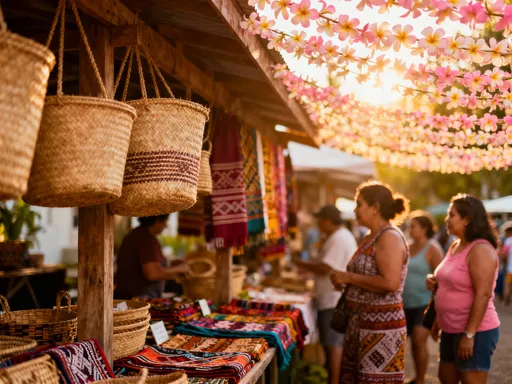
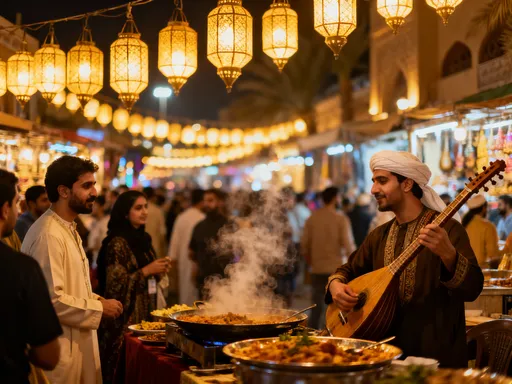
One of the most authentic ways to experience Agana’s shopping culture is by visiting its weekend open-air markets. These gatherings are not staged for tourists—they are part of the rhythm of local life. Held in community centers, church grounds, or shaded plazas, these markets come alive early Saturday and Sunday mornings, filling with the scent of grilled meat, ripe mangoes, and fragrant island flowers like plumeria and frangipani. Vendors set up under canopies, arranging handmade crafts beside baskets of fresh fruit, jars of honey, and steaming plates of traditional Chamorro food.
The atmosphere is warm and unhurried. Children weave between tables, elders greet one another with embraces, and strangers quickly become conversation partners over a shared love of *kelaguen*—a citrus-marinated dish often made with chicken or tuna. It’s not uncommon for a vendor to offer you a sample while explaining how her grandmother taught her to balance the lemon and coconut in the recipe. These moments aren’t performances; they’re glimpses into the fabric of daily life, where food, craft, and connection are inseparable.
Shopping at these markets requires some preparation. Most vendors operate on a cash-only basis, so it’s wise to carry small bills. ATMs are available in central areas, but lines can be long during peak hours. Arriving early—between 7:00 and 9:00 a.m.—ensures the best selection and cooler temperatures. While some vendors accept credit cards at larger stalls, cash remains the preferred and most respectful form of payment in these intimate settings.
What makes these markets truly special is their authenticity. You won’t find mass-produced keychains or plastic leis here. Instead, look for hand-painted coconut shells, woven bracelets made from lauhala, and jars of organic coconut oil infused with local herbs. These goods are made in homes, not factories, often by people who view their craft as both a livelihood and a cultural duty. By shopping here, visitors participate in a tradition of reciprocity—giving support and receiving stories in return.
Hidden Boutiques with Big Personality
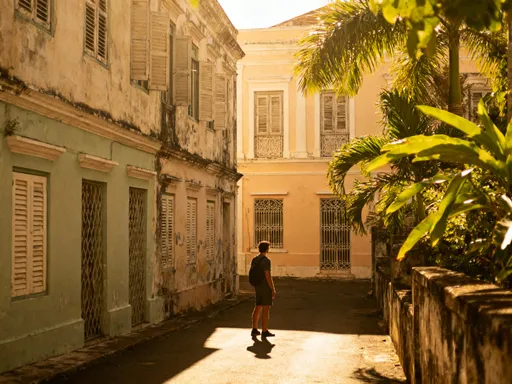
A short walk from Agana’s main roads are tucked-away boutiques that defy the stereotype of island shopping. These are not glossy storefronts with neon signs, but modest shops with hand-lettered signs and displays that feel personal, almost familial. Many are run by multi-generational families who have turned their homes into retail spaces, blending living areas with curated collections of art, jewelry, and textiles. These boutiques may lack the foot traffic of tourist zones, but they offer something far more valuable: access to one-of-a-kind pieces made with pride and purpose.
One such shop, located near the historic Plaza de España, is run by a mother-daughter duo who specialize in repurposed island materials. Their collection includes necklaces made from recycled sea glass, earrings crafted from carved coconut shells, and pendants shaped like the *toto*—the coconut crab, a symbol of strength in Chamorro folklore. Each piece comes with a small card explaining its inspiration, often tied to a family story or a legend passed down through generations. It’s not unusual for customers to spend an hour chatting with the owners, learning about the significance of certain colors or the meaning behind a particular motif.
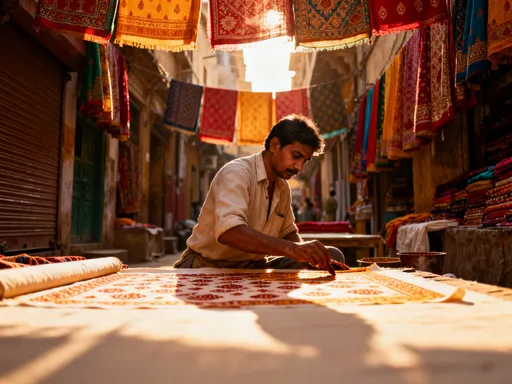
Another standout is a boutique tucked behind a quiet churchyard, where a local artist sells hand-printed sarongs featuring patterns based on ancient petroglyphs found in nearby caves. The designs are not mere imitations—they are reimagined interpretations, blending historical motifs with modern aesthetics. Visitors can commission custom lengths or request personalized color combinations, making each piece a wearable artifact of cultural continuity.
What sets these boutiques apart is their intimacy. There’s no pressure to buy, no loud music or flashing lights. Instead, shopping becomes a conversation, a chance to learn and connect. These spaces are not trying to be everything to everyone—they exist to honor a craft, support a family, and share a piece of Guam with those who take the time to look beyond the surface.
The Rise of Cultural Fashion in Agana
Fashion in Agana is undergoing a quiet revolution—one that values storytelling over trends and sustainability over speed. Local designers are redefining what it means to dress in island style, moving beyond clichéd floral prints and generic “tropical” designs to create clothing that reflects the depth of Chamorro heritage. This new wave of cultural fashion blends modern silhouettes with traditional elements: flowing dresses adorned with *latte* stone patterns, shirts featuring woven *lågu* motifs, and swimwear edged with natural dyes derived from local plants.
These designers are not based in New York or Paris—they work from small ateliers in Agana, often operating out of their homes or shared community studios. Many collaborate directly with weavers, dyers, and elders to ensure their designs are both authentic and respectful. Some host pop-up shops during cultural festivals, allowing visitors to meet the makers, see the process, and even place custom orders. This direct connection between creator and consumer transforms fashion from a transaction into a relationship.
The demand for this kind of clothing is growing, especially among travelers seeking meaningful souvenirs. Unlike fast fashion, which prioritizes low cost and high turnover, cultural fashion in Agana emphasizes quality, longevity, and narrative. A single dress might take weeks to complete, with every stitch reflecting hours of labor and layers of meaning. When someone wears a piece from a local designer, they’re not just wearing fabric—they’re carrying a story of resilience, identity, and pride.
This shift also reflects a broader movement toward sustainable tourism. By choosing to buy locally made clothing, visitors reduce their environmental footprint and support ethical labor practices. There’s no exploitation here—just families working together, preserving traditions, and building futures. In a world where fashion often feels disposable, Agana offers an alternative: clothing that lasts, not just in material, but in memory.
Practical Tips for Navigating Agana’s Shopping Scene
Exploring Agana’s hidden shopping spots is rewarding, but a few practical tips can make the experience smoother and more enjoyable. First, timing matters. Weekdays tend to be quieter, but many local markets and pop-ups operate only on weekends, particularly Saturday mornings. If your goal is to experience the full vibrancy of community markets, plan to visit between 7:00 a.m. and 11:00 a.m., when vendors are most active and selections are freshest.
Transportation is another key consideration. While parts of central Agana are walkable, many of the most authentic shopping experiences are located in residential neighborhoods that aren’t easily accessible on foot. Taxis are widely available and reliable, and many drivers are happy to wait while you browse or even offer recommendations based on personal favorites. Ride-sharing apps are limited, so having a list of local taxi companies or coordinating through your hotel is advisable. For the more adventurous, renting a scooter or compact car offers flexibility, but be mindful of narrow streets and limited parking in older districts.
Payment methods vary significantly between venues. Large stores and malls accept credit cards, but smaller boutiques, markets, and roadside stands often operate on a cash-only basis. It’s recommended to carry at least $50–$100 in small denominations. While ATMs are available, they may run out of bills during peak times, especially on weekends. Having cash on hand not only ensures you can make purchases but also shows respect for vendors who have built their businesses around accessible, low-tech systems.
When it comes to haggling, the norm in Agana is polite and restrained. Unlike in some tourist-heavy destinations, aggressive bargaining is not customary and can be seen as disrespectful, especially when dealing with artisans who price their goods fairly based on time, materials, and cultural value. Instead, approach shopping with appreciation and curiosity. Ask questions, listen to stories, and let your interest in the craft guide your decision. More often than not, vendors will appreciate your respect and may even share a small gift or discount as a gesture of goodwill.
From Craft to Keepsake: What to Buy (and Why It Matters)
Knowing what to buy in Agana goes beyond personal taste—it’s about understanding the significance behind each item. The most meaningful souvenirs are not the cheapest or the flashiest, but those rooted in tradition and made with intention. One must-have item is the handwoven *lågu* fan, crafted from dried pandanus leaves. These fans are not just decorative; they were historically used to cool homes and signal respect during ceremonies. Each weave pattern carries symbolic meaning, often tied to family lineage or regional identity.
Another standout is the miniature *latte* stone set, carved from limestone or soapstone. The *latte* stone—a pillar capped with a hemispherical stone—is one of Guam’s most iconic cultural symbols, representing strength and ancestral connection. Miniature versions make thoughtful, durable keepsakes that honor the island’s ancient architecture. When purchased from a local carver, each piece comes with a story—perhaps of the quarry where the stone was sourced or the family tradition behind the craft.
Organic coconut oil, often infused with turmeric, lemongrass, or ylang-ylang, is another excellent choice. Made in small batches by local producers, this oil is used in traditional Chamorro skincare and haircare. It’s free from synthetic additives and packaged in reusable containers, making it both practical and eco-friendly. Buying it supports sustainable agriculture and small-scale production, preserving knowledge that might otherwise be lost.
Perhaps most valuable are the intangible souvenirs—the conversations, the smiles, the moments of connection. When you buy a hand-carved pendant or a hand-printed sarong, you’re not just acquiring an object. You’re supporting a grandmother teaching her granddaughter to weave, a young designer launching her first collection, or a family keeping a centuries-old craft alive. Each purchase becomes a quiet act of preservation, a way to say: your story matters, and I want to carry a piece of it home.
Why Agana’s Shopping Scene Deserves a Second Look
Too often, Agana is seen as a transit point—a place to pass through on the way to the beaches or resorts. But to overlook its shopping culture is to miss one of Guam’s most profound experiences. This is not shopping as consumption, but as connection. It’s a chance to step into the lives of local families, to hear their stories, and to take part in a tradition of resilience and creativity that has endured for generations.
What makes Agana’s shopping scene truly special is its authenticity. There’s no pretense, no attempt to mimic global trends. Instead, there’s a quiet confidence in who they are—a people proud of their roots, eager to share them, but on their own terms. When you shop here, you’re not just buying souvenirs; you’re participating in cultural preservation, supporting sustainable livelihoods, and building bridges across communities.
In an era where travel can sometimes feel transactional, Agana offers a different model—one rooted in respect, reciprocity, and meaning. It invites travelers to slow down, to listen, and to choose with care. The items you bring home will last longer than any beach towel or souvenir magnet. They will carry the scent of plumeria, the warmth of a vendor’s smile, and the weight of a story worth telling.
So the next time you plan a trip to Guam, don’t rush past Agana. Step into its markets, wander its quiet streets, and let the city reveal itself one handmade treasure at a time. Shop not to collect, but to connect. Return not with a bag full of things, but with a heart full of memories. Because in Agana, every purchase is more than a product—it’s a promise to keep a culture alive.