Wander Slow, See Deep: Port Louis’ Architectural Soul Unfolds
Walking through Port Louis feels like flipping through a living history book, one where every building tells a story. I didn’t rush. Instead, I let the city breathe — colonial facades, colorful markets, hidden couryards. Each step revealed layers of French, British, Indian, and African influence, stitched into the city’s architectural DNA. This isn’t just sightseeing — it’s feeling the rhythm of a place, one weathered wall at a time. In a world that glorifies speed, Port Louis invites a different kind of journey: one measured not in miles, but in moments of discovery. Here, architecture is not merely structure — it is memory made visible, culture made tangible.
Arrival with Intention: Choosing Slowness in a Bustling Capital
Port Louis greets visitors with a symphony of motion. The harbor pulses with container ships and fishing boats unloading their morning catch, while minibuses weave through narrow streets lined with centuries-old buildings. The scent of fried dholl puri mingles with salt air, and the chatter of Creole conversations flows like a steady current. Most tourists arrive with checklists — the market, the cathedral, the waterfront — and tick them off in a single hurried day. But to experience Port Louis fully is to resist that impulse. Slow travel here is not a luxury; it is a necessity for true understanding.
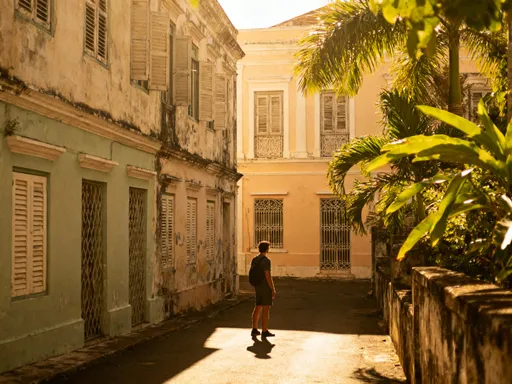
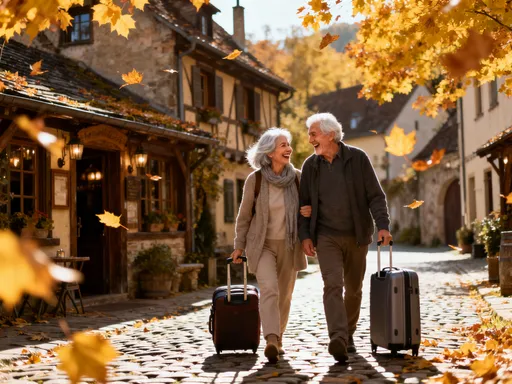
Slowing down begins with a shift in mindset. It means arriving without a rigid schedule, allowing curiosity to guide movement rather than efficiency. It means pausing to watch a craftsman carve wood beneath a shaded awning, or sitting on a bench to observe how sunlight shifts across a weathered wall over the course of an hour. In this rhythm, the city reveals its layers. The colonial-era customs house stands beside a modern bank, both shaped by commerce but speaking different eras. A woman in a sari passes a man in a clerical collar, each moving through a shared urban fabric woven from diverse traditions.
The benefits of this approach are both emotional and perceptual. Studies in environmental psychology suggest that prolonged exposure to a place deepens cognitive mapping and emotional connection. When travelers move slowly, they begin to notice patterns — the way certain colors repeat in doorways, how balconies are angled to catch breeze, or how street vendors intuitively form clusters based on trade. These details are invisible at speed. By choosing slowness, visitors engage not just their eyes, but their senses and sensibilities, forming a richer, more personal relationship with the city.
The City’s Spine: Caudan Waterfront and Colonial Echoes
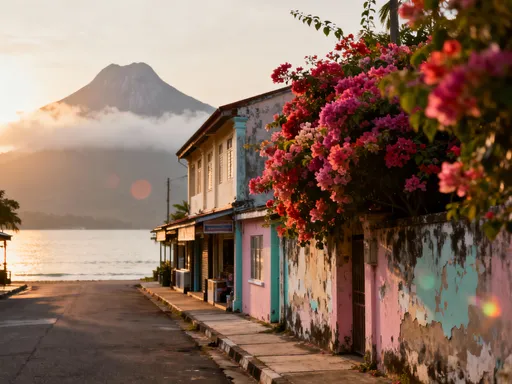
Stretching along the harbor, the Caudan Waterfront serves as Port Louis’ cultural and architectural spine. Once a cluster of 18th-century warehouses built by French colonists to store sugar and spices, this area has been thoughtfully restored into a vibrant public space that honors its past while embracing the present. The original stone facades remain, their symmetrical layouts and shuttered windows reflecting classic French colonial design. Pastel hues — soft ochre, seafoam green, and faded coral — give the buildings a gentle presence, softened further by climbing bougainvillea.
What makes Caudan remarkable is not just preservation, but integration. The old warehouses now house art galleries, boutique cafes, and craft shops, their interiors adapted with care to maintain structural authenticity. High ceilings and thick walls, originally designed to regulate temperature in a tropical climate, now provide natural cooling for modern businesses. The open arcades that once protected goods from sun and rain now shelter pedestrians strolling between exhibitions or enjoying a coffee with a view of the Indian Ocean.
Restoration efforts here have followed international conservation principles, ensuring that new additions do not overpower the original architecture. Glass walkways connect historic buildings without altering facades, and lighting is designed to highlight stonework without glare. This balance between old and new reflects a broader philosophy in Mauritian urban planning: progress need not erase history. Visitors walking through Caudan experience continuity — a sense that the city’s evolution is respectful, intentional, and deeply rooted in place.
Market Layers: Craft, Color, and Community in Architecture
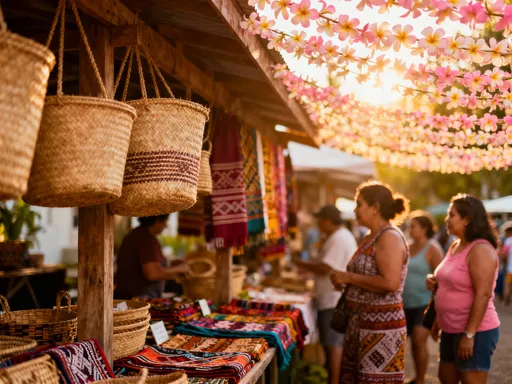
Few places in Port Louis embody the fusion of function and culture as completely as the Central Market. Housed in a series of low-rise, iron-framed buildings dating back to the late 19th century, the market is not merely a place to shop — it is an architectural organism shaped by climate, commerce, and community. Its wide eaves and high ceilings were designed for airflow, essential in Mauritius’ humid heat. Iron columns support corrugated roofs, allowing diffused light to filter through while shielding stalls from direct sun and sudden downpours.
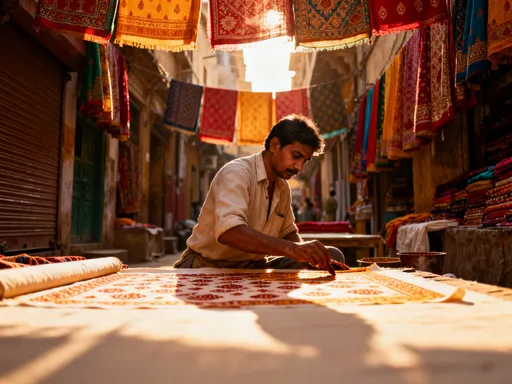
The layout is organic, almost labyrinthine, with narrow aisles encouraging close interaction. Vendors occupy niches rather than uniform booths, each space personalized with hand-painted signs, stacked baskets, and draped fabrics. This irregularity is not disorder — it is adaptation. The building was never meant for efficiency in the modern retail sense; it was built for exchange, for conversation, for the slow barter of goods and stories. The scent of dried chilies, the rustle of fresh vegetables, the glint of handmade jewelry — all unfold within an architecture that prioritizes human experience over speed.
Architecturally, the Central Market reflects British colonial engineering adapted to tropical needs. The use of cast iron, imported during the Victorian era, provided durability without the need for heavy masonry. Yet the design absorbed local wisdom — the orientation of aisles follows prevailing winds, and the placement of open courtyards allows for natural ventilation. Today, these features continue to serve thousands of shoppers daily, proving that well-designed public spaces can endure across generations when they remain responsive to people’s needs.
Religious Tapestry: Places of Worship as Cultural Monuments
Within a ten-minute walk in central Port Louis, one encounters a remarkable constellation of places of worship — each distinct in form, yet coexisting in harmony. The Al Jamea Mosque rises with graceful Indo-Islamic arches and a slender minaret, its white façade glowing in the afternoon light. A short distance away, St. Louis Cathedral stands with Gothic spires and arched stained-glass windows, a legacy of French Catholic influence. Nearby, the Kwan Tee Pagoda surprises with its curved Chinese tiled roof, red pillars, and incense-scented courtyard, dedicated to the Taoist deity Guan Di.
These structures are more than places of prayer; they are architectural testaments to Mauritius’ plural identity. Built during different colonial periods and by diverse communities — Indian Muslims, Franco-Mauritians, Sino-Mauritians — they reflect both imported traditions and local adaptations. The mosque incorporates Indian craftsmanship in its woodcarvings, the cathedral uses local stone in its foundation, and the pagoda features Creole-style ventilation elements alongside traditional Chinese motifs. Their proximity is not accidental — it mirrors the island’s long-standing practice of interfaith coexistence.
The skyline of Port Louis, therefore, tells a story of inclusion. Unlike cities where religious buildings dominate or compete for visual prominence, here they form a balanced tapestry. None overshadows the other; each contributes to the city’s architectural diversity. This physical harmony echoes national values enshrined in Mauritius’ constitution, which guarantees freedom of religion. For the observant traveler, walking this circuit becomes a quiet lesson in tolerance — one written in stone, tile, and timber.
Hidden Courtyards and Creole Houses: Intimate Urban Design
Beyond the main streets, tucked behind unassuming gates and climbing vines, lie Port Louis’ hidden courtyards — intimate spaces that reveal another dimension of urban life. These private sanctuaries belong to Creole houses, a distinct architectural style developed in response to climate and culture. Typically one or two stories high, these homes feature steeply pitched roofs to channel heavy rains, wide overhanging eaves for shade, and wooden fretwork — intricately carved panels that allow air to circulate while preserving privacy.
The vibrant colors of Creole houses — cobalt blue doors, vermillion shutters, lemon-yellow walls — are not merely decorative. They originate from practical and symbolic traditions. Bright hues helped identify homes in dense neighborhoods before house numbers were common, and certain colors were believed to ward off evil spirits or attract good fortune. Today, these homes remain lived-in, not museum pieces. A grandmother may sit in a rocking chair beneath a ceiling fan, while grandchildren play in the courtyard, their laughter echoing off tiled floors.
What makes Creole architecture truly human-centered is its emphasis on social space. The central courtyard, often paved or planted with a frangipani tree, serves as the heart of the home — a place for meals, gatherings, and quiet reflection. Even in the city’s densest areas, these interiors offer breathing room, both literally and emotionally. Fast-moving tourists rarely see them, but those who linger, who strike up conversations with residents, may be invited in for tea. In these moments, architecture becomes hospitality, and the city reveals its soul not in monuments, but in moments of connection.
Adaptive Reuse: When Old Buildings Find New Lives
One of the most encouraging trends in Port Louis is the thoughtful repurposing of historic buildings. Rather than demolish aging structures, the city has embraced adaptive reuse — a practice that preserves architectural heritage while meeting contemporary needs. This approach ensures that old buildings remain functional, relevant, and accessible, avoiding the fate of becoming static relics or abandoned shells.
A prime example is the Blue Penny Museum, housed in a beautifully restored colonial-era building near Caudan Waterfront. Originally constructed in the 19th century as a warehouse and later used for administrative purposes, the structure has been transformed into a cultural showcase. Its thick walls and tall windows now frame rare artifacts, including the famous two-cent blue and one-penny red stamps — among the rarest in the world. The museum’s design respects the building’s original proportions, with modern lighting and climate control seamlessly integrated to protect delicate exhibits.
Other examples include former government offices converted into art centers, and old merchant homes turned into guesthouses. These projects follow sustainable principles — reducing construction waste, lowering carbon footprint, and maintaining streetscape continuity. More importantly, they reinforce a sense of identity. When citizens see familiar buildings serving new roles, they feel a deeper connection to their city’s evolution. Adaptive reuse, therefore, is not just about preservation — it is about continuity, resilience, and civic pride.
Walking the Talk: Practical Slow Travel in Port Louis
Experiencing Port Louis through slow travel is not only possible — it is deeply rewarding. For those seeking immersion, accommodation choices matter. Staying in locally-run guesthouses or heritage homes, rather than large hotels on the outskirts, places visitors at the heart of daily life. Many of these lodgings are housed in restored Creole buildings, offering not just comfort, but a living connection to the city’s architectural heritage.
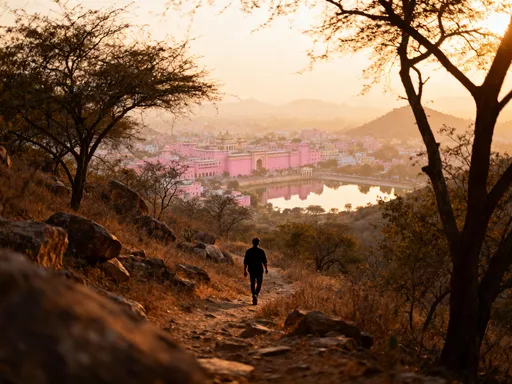
Timing is equally important. The best hours to explore are early morning, when the market awakens and fishermen unload their catch, and late afternoon, when the golden light softens the city’s edges. Midday heat discourages movement, but this pause can be used to rest, reflect, or sketch architectural details in a notebook. Many slow travelers find value in journaling — recording not just what they see, but how spaces make them feel. A crumbling wall, a patterned gate, a shaft of light through a stained-glass window — these become personal landmarks.
Pacing is essential. Rather than covering the entire city in one day, focus on a single neighborhood — Caudan one day, the market area the next, a residential quarter the following. Allow time to return to the same place at different times, noticing how light, sound, and activity shift. Engage respectfully with locals: ask permission before photographing homes, accept invitations to share tea, listen more than speak. These small acts build trust and open doors — sometimes literally — to experiences no guidebook can offer.
Building Memory, One Brick at a Time
Port Louis does not reveal itself all at once. Its beauty lies not in grand monuments, but in the quiet accumulation of details — the curve of a balcony, the texture of aged plaster, the way a courtyard holds the evening breeze. By moving slowly, travelers do more than see the city; they begin to understand it. They recognize that its architecture is not just a collection of styles, but a living record of survival, adaptation, and coexistence.
In a world increasingly defined by speed — fast travel, fast consumption, fast connections — choosing slowness is an act of quiet resistance. It is a declaration that some things cannot be rushed: understanding, connection, memory. Port Louis rewards those who linger, offering not just sights, but insights. Its buildings stand as witnesses to centuries of change, yet they remain part of everyday life, not frozen in time but evolving with purpose.
To walk through Port Louis with intention is to participate in a deeper form of travel — one that builds empathy, enriches perspective, and leaves lasting impressions. The city’s architectural soul unfolds not in grand gestures, but in subtle details, waiting to be noticed by those willing to look closely, stay longer, and listen. In the end, the most meaningful journeys are not measured in distance, but in depth — and Port Louis, with its layered streets and storied walls, invites us all to go deeper.